



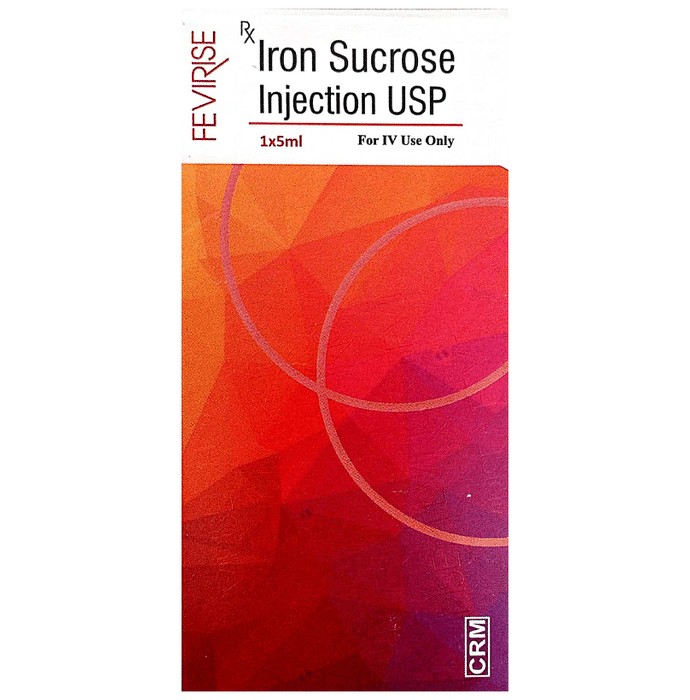
Fevirise Injection

Marketer
Cardio Renal Metabolic Healthcare Pvt Ltd
Salt Composition
Iron Sucrose (20mg/ml)
Overview Fevirise Injection
Fevirise Injection replenishes iron levels in the body. Its purpose is to address iron-deficiency anemia, a condition marked by insufficient red blood cells due to low iron. Red blood cell production, vital for oxygen transport, relies on adequate iron. Administered intravenously via slow infusion by a healthcare professional, the dosage and frequency are determined individually by your physician to effectively manage anemia. A balanced diet rich in iron is also recommended; good sources include legumes, leafy greens like spinach, beans, eggs, dried fruits, and meat. Common side effects can include taste changes, elevated blood pressure, nausea, and injection site reactions (pain, redness, swelling). Rapid infusion may cause transient low blood pressure. Your doctor will monitor for allergic reactions (shortness of breath, dizziness, malaise, hives, facial/tongue/throat swelling). Report persistent or bothersome side effects. This medication is unsuitable for non-iron deficiency anemias. Inform your physician of rheumatoid arthritis, asthma, allergies, hypertension, or liver disease before commencing treatment; these conditions may influence its use. Pregnancy and breastfeeding safety is undetermined; seek medical counsel. Regular blood tests will monitor your iron levels, blood cell counts, treatment progress, and side effects. Moderating alcohol consumption during treatment is advisable.
Primary Ingredients of Fevirise Injection
No information provided. Please provide the text you wish me to rephrase.
Uses of Fevirise Injection
Managing iron-deficiency anemia
Major Benefits of Fevirise Injection:
This medication will be administered by your healthcare provider. Self-medication is strictly prohibited.
Common Side effects of Fevirise Injection:
- Taste change
- Injection site reactions (pain, swelling, redness)
- Nausea
- Decreased blood pressure
- High blood pressure
How to use Fevirise Injection:
Administering this medication will be handled by your healthcare provider. Self-medication is strongly discouraged.
How Fevirise Injection works:
Ferum injection combats iron deficiency. It restores depleted iron levels, essential for red blood cell production and hemoglobin synthesis. Hemoglobin enables red blood cells to carry oxygen throughout the body.
SAFETY ADVICE
 AlcoholUNSAFE
Alcohol and Fevirise Injection should not be consumed together due to safety concerns.
 PregnancySAFE IF PRESCRIBED
Administration of Fevirise Injection during gestation is typically deemed safe. Preclinical trials in animals revealed minimal or no negative consequences for fetal development; nevertheless, data from human studies remain scarce.
 Breast feedingSAFE IF PRESCRIBED
Breastfeeding mothers can generally use Fevirise Injection safely. Research in humans indicates minimal drug transfer to breast milk, posing no known risk to the infant.
 DrivingUNSAFE
Administering Fevirise Injection may cause drowsiness, blurred vision, and dizziness, potentially impairing alertness. Driving should be avoided if these effects are experienced.
 KidneyCAUTION
For individuals with impaired kidney function, Fevirise Injection requires careful administration. The prescribed dosage of Fevirise Injection might require modification. A physician's consultation is advised.
 LiverCAUTION
Individuals with hepatic impairment should exercise caution when administering Fevirise Injection. Dosage modification of Fevirise Injection may be necessary. Physician consultation is advised.
What if you forget to take Fevirise Injection :
Omit a scheduled Fevirise Injection? Seek medical advice immediately.
Facts to Know About Fevirise Injection
| Label | Value |
|---|---|
| Chemical Classification | Glycosylated Compounds |
| Developing Habits | No. |
| Treatment Category | Obstetrics and Gynecology |
| Behavior Class | Blood-forming agents |
 3,018 People bought this recently