


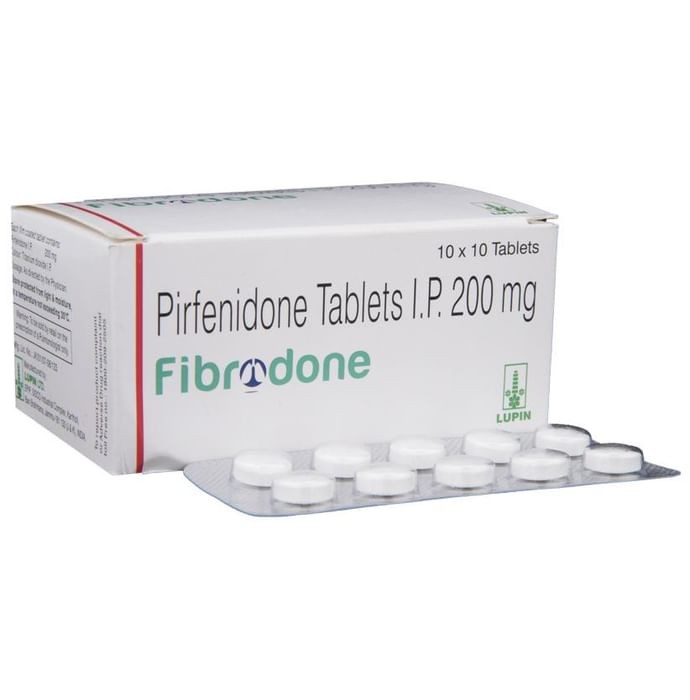
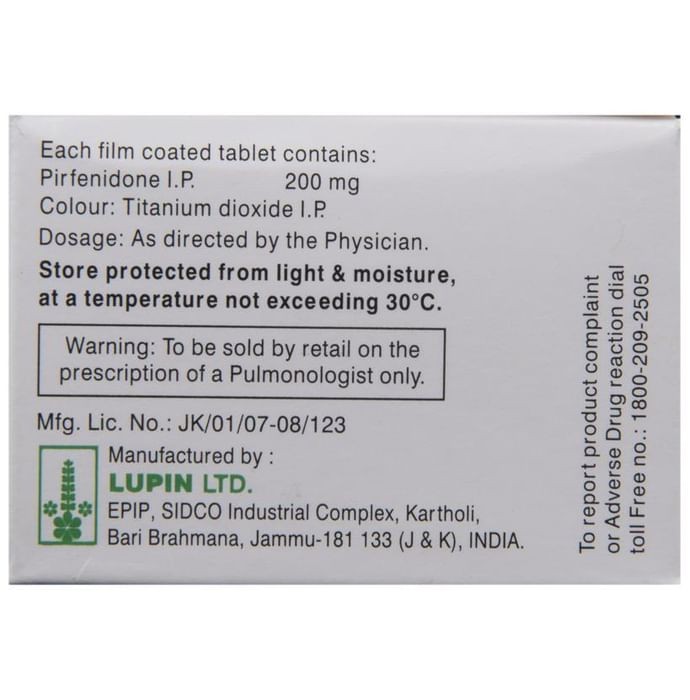
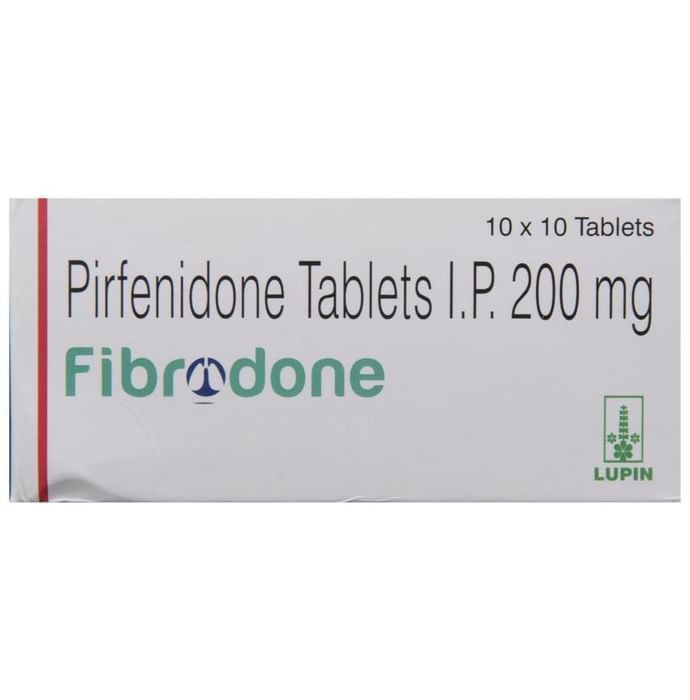
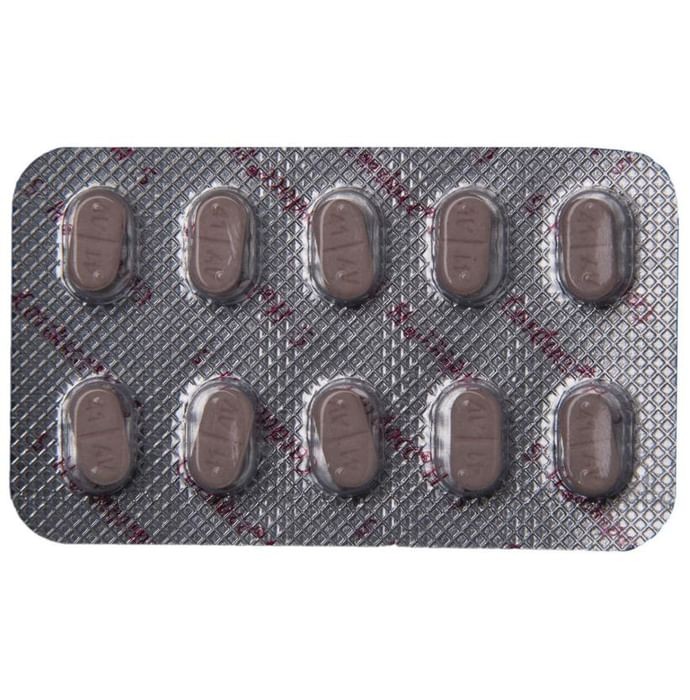
Fibrodone Tablet

Marketer
Lupin Ltd
Salt Composition
Pirfenidone (200mg)
Overview Fibrodone Tablet
Pulmonary fibrosis treatment utilizes the prescription medication, Fibrodone Tablet. This medication targets lung scarring and inflammation, improving respiratory function. For optimal absorption, Fibrodone Tablet should be taken with meals, consistently at the same time daily. Dosage frequency is determined by your physician based on individual needs and response. Continue taking the medication as prescribed. Common side effects include insomnia, headache, dizziness, indigestion, nausea, diarrhea, and sun sensitivity. Dizziness warrants caution, avoiding driving or activities requiring concentration. Weight loss may occur; regular monitoring or consultation with your doctor is advised. Liver function tests may be conducted during treatment. Prior to starting Fibrodone Tablet, disclose any liver or kidney conditions, and provide a complete list of current medications, as interactions may affect efficacy. Due to increased sun sensitivity, protective clothing and sunscreen are recommended. Notify your physician if pregnant or breastfeeding.
Primary Ingredients of Fibrodone Tablet
The provided text is "undefined," offering no content to rephrase.
Uses of Fibrodone Tablet
Managing idiopathic pulmonary fibrosis
Major Benefits of Fibrodone Tablet:
Consume this medication precisely as prescribed by your physician, adhering to the specified dosage and treatment period. Ingest the tablet whole; avoid chewing, crushing, or fracturing it. Fibrodone Tablets should be administered with a meal.
Common Side effects of Fibrodone Tablet:
- Insomnia (difficulty in sleeping)
- Headache
- Dizziness
- Tiredness
- Sinus inflammation
- Loss of appetite
- Upper respiratory tract infection
- Weight loss
- Nausea
- Indigestion
- Diarrhea
- Photosensitivity
How to use Fibrodone Tablet:
Consume this medication precisely as your physician directs, adhering to both the prescribed dosage and duration. Ingest the tablet whole; avoid chewing, crushing, or fracturing it. Fibrodone tablets should be administered with a meal.
How Fibrodone Tablet works:
Fibrodone tablets offer antifibrotic therapy by inhibiting a specific endogenous compound implicated in fibrosis development. This action diminishes lung scarring and inflammation, thereby improving respiratory function.
SAFETY ADVICE
 AlcoholCONSULT YOUR DOCTOR
Alcohol consumption alongside Fibrodone Tablet may be unsafe; physician consultation is recommended.
 PregnancyCONSULT YOUR DOCTOR
The use of Fibrodone Tablets during pregnancy may pose risks. While human research is scant, animal studies indicate potential harm to the fetus. A physician will assess the potential benefits against any risks prior to prescription. Seek medical advice.
 Breast feedingCONSULT YOUR DOCTOR
Data on Fibrodone Tablet use while breastfeeding is lacking. Seek medical advice from your physician.
 DrivingUNSAFE
Taking Fibrodone Tablets may cause drowsiness, blurred vision, and dizziness, reducing alertness. Driving should be avoided if these effects are experienced.
 KidneyCAUTION
Patients with kidney impairment should exercise caution when using Fibrodone tablets, as dose modification may be necessary. Severe kidney disease and those undergoing dialysis should not use Fibrodone tablets; physician consultation is advised in all cases of renal dysfunction.
 LiverCAUTION
Patients with liver impairment should use Fibrodone tablets cautiously, potentially requiring dosage modification. Consult your physician for guidance. Fibrodone tablets are contraindicated in patients with severe hepatic dysfunction.
What if you forget to take Fibrodone Tablet :
NA
Facts to Know About Fibrodone Tablet
| Label | Value |
|---|---|
| Chemical Category | Pyridone derivative |
| Developing Habits | No. |
| Treatment Category | Breathing |
| Action Class | Pulmonary fibrosis of unknown cause |
 3,018 People bought this recently