Search Icon

AUM Pharmacy

Hi there!

Hello, Login
All Categories
VisaVisaVisa
slide-0
slide-1
slide-2
slide-3

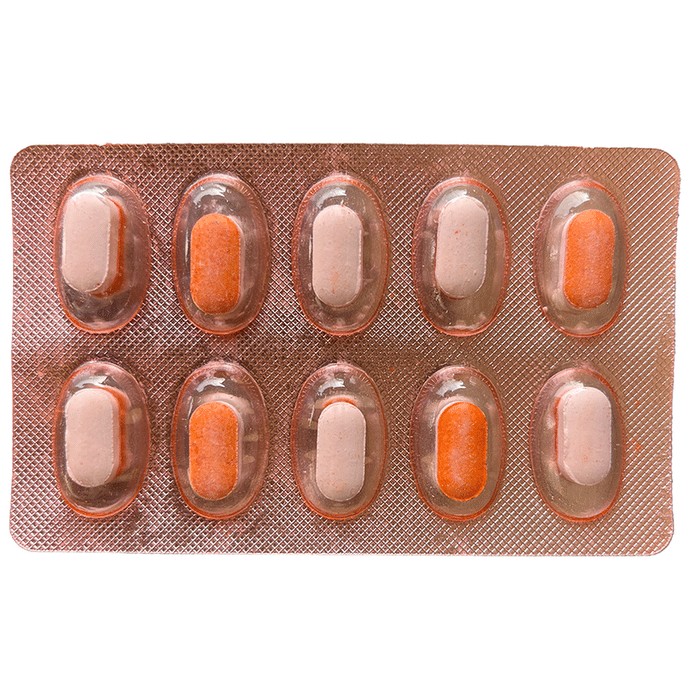
Formigram-GZ Tablet SR

Prescription Icon
Prescription Required

Marketer

Ingram Biosciences Pvt Ltd

Salt Composition

Gliclazide (80mg) + Metformin (500mg)

Overview Formigram-GZ Tablet SR

Diabex Duo SR tablets are classified as antidiabetic medications. This dual-action formulation treats type 2 diabetes in adults by managing blood glucose levels. Diabex Duo SR should be ingested with meals, consistently at the same time daily for optimal efficacy. Dosage is determined by your physician and may be adjusted based on your blood sugar response. Continuous use is crucial, even with controlled blood sugar, as discontinuation without medical supervision risks elevated glucose levels, potentially leading to kidney complications, vision impairment, neuropathy, and limb loss. This medication is part of a comprehensive diabetes management plan, including dietary changes, regular physical activity, and weight management as recommended by your doctor. Lifestyle choices significantly impact diabetes control. Common side effects include hypoglycemia (low blood sugar), characterized by sweating, dizziness, headache, and tremors; constipation; and vomiting. Carrying a rapid-acting glucose source, such as sugary snacks or juice, is essential to counter hypoglycemia. Alcohol consumption should be limited due to its potential to worsen hypoglycemia. Additional potential side effects include altered taste, nausea, diarrhea, abdominal pain, headache, and upper respiratory infections. Weight gain may occur. Diabex Duo SR is contraindicated in patients with type 1 diabetes, diabetic ketoacidosis, or severe kidney or liver disease. Individuals with a history of heart disease should inform their physician before initiating treatment. Pregnant or lactating women should seek medical advice prior to use. Regular blood glucose monitoring and periodic blood tests to assess blood cell counts and liver function are recommended.

Uses of Formigram-GZ Tablet SR

Adult-onset diabetes

Major Benefits of Formigram-GZ Tablet SR:

Consume this medication precisely as prescribed by your physician, adhering to both the dosage and treatment length. Ingest the tablet whole; avoid chewing, crushing, or fracturing it. It's recommended to take Formigram-GZ Tablet SR with a meal.

Common Side effects of Formigram-GZ Tablet SR:

  • Hypoglycemia (low blood glucose level)
  • Headache
  • Dizziness
  • Diarrhea
  • Upper respiratory tract infection
  • Nausea
  • Flatulence
  • Constipation

How to use Formigram-GZ Tablet SR:

Consume this medication precisely as directed by your physician, adhering to both the prescribed dosage and treatment length. Ingest the tablet whole; avoid chewing, crushing, or fracturing it. Formigram-GZ Tablet SR should be administered with a meal.

How Formigram-GZ Tablet SR works:

Formigram-GZ SR tablets contain a dual-action formulation of gliclazide and metformin, both used in the management of diabetes.

SAFETY ADVICE

AlcoholAlcoholUNSAFE

Concurrent alcohol and Formigram-GZ Tablet SR ingestion is inadvisable.

PregnancyPregnancyCONSULT YOUR DOCTOR

Using Formigram-GZ Tablet SR during pregnancy carries a confirmed risk to the fetus and is therefore inadvisable. In exceptional, life-threatening circumstances, a physician might prescribe it if the potential benefits outweigh the known hazards. Physician consultation is essential.

Breast feedingBreast feedingCONSULT YOUR DOCTOR

The extended-release Formigram-GZ tablet is likely not suitable for use while breastfeeding. Scant available human data indicates potential drug transfer via breast milk, posing a possible risk to the infant.

DrivingDrivingCAUTION

Driving ability can be impaired by both hypoglycemia and hyperglycemia. Refrain from driving if you experience these blood sugar imbalances.

KidneyKidneyCAUTION

Patients with kidney impairment should use Formigram-GZ Tablet SR cautiously, potentially requiring dosage modification. Severe kidney disease contraindicates its use. Consult your physician. Routine monitoring of kidney function is recommended during treatment.

LiverLiverCAUTION

Patients with liver impairment should use Formigram-GZ Tablet SR cautiously, potentially requiring dosage modification. Physician consultation is advised. A reduced initial dose is typically prescribed for individuals with mild to moderate hepatic dysfunction; the medication is contraindicated in those with severe liver disease.

What if you forget to take Formigram-GZ Tablet SR :

Should you forget a Formigram-GZ Tablet SR dose, administer it immediately. Nevertheless, if your next scheduled dose is imminent, omit the missed dose and resume your usual dosing regimen. Avoid taking a double dose.

Facts to Know About Formigram-GZ Tablet SR

LabelValue
Developing Habits No.
Type of Therapy Diabetes Management

FAQs on Formigram-GZ Tablet SR

Formigram-GZ Tablet SR combines gliclazide and metformin to manage type 2 diabetes mellitus (DM) in adults. It enhances blood glucose control when used with diet and exercise. Gliclazide stimulates insulin release from the pancreas, while metformin reduces liver glucose production and improves insulin sensitivity. This combination is unsuitable for type 1 DM.
Formigram-GZ Tablet SR may cause common side effects such as low blood sugar (hypoglycemia), altered taste, nausea, stomach pain, diarrhea, headache, and upper respiratory infection. Rare but serious side effects, including lactic acidosis, are also possible. Prolonged use may result in vitamin B12 deficiency.
Formigram-GZ Tablet SR can cause low blood sugar (hypoglycemia), manifesting as nausea, headache, irritability, hunger, sweating, dizziness, rapid heartbeat, anxiety, or shakiness. This risk increases with missed meals, alcohol consumption, excessive exercise, or concurrent use of other antidiabetic medications. Therefore, regular blood sugar monitoring is crucial. Carry glucose tablets, honey, or fruit juice for emergencies.
Formigram-GZ Tablet SR can cause lactic acidosis, a serious medical emergency characterized by excessive blood lactic acid (also known as MALA, or Metformin-associated lactic acidosis). This rare side effect is preventable by avoiding use in patients with kidney disease, the elderly, or those who consume excessive alcohol. Symptoms include muscle pain/weakness, dizziness, fatigue, cold extremities, shortness of breath, nausea, vomiting, abdominal pain, and bradycardia. If you experience these, discontinue Formigram-GZ Tablet SR and seek immediate medical attention.
Prolonged Formigram-GZ Tablet SR use can lead to vitamin B12 deficiency by interfering with its stomach absorption. This deficiency, if left untreated, may result in anemia, nerve damage (manifesting as tingling, numbness in extremities, weakness), urinary issues, cognitive changes, and balance problems (ataxia). To mitigate this risk, supplemental vitamin B12 intake at least annually is recommended by some researchers.
Formigram-GZ Tablet SR is contraindicated in patients with hypersensitivity to any of its components or excipients, and in those with moderate to severe kidney disease or metabolic acidosis (including diabetic ketoacidosis).
Combining Formigram-GZ Tablet SR and alcohol is unsafe. This combination may worsen low blood sugar and raise the risk of lactic acidosis.
Formigram-GZ SR tablets combine gliclazide and metformin to manage type 2 diabetes mellitus in adults. This combination, used alongside diet and exercise, improves blood glucose control. Gliclazide stimulates insulin release from the pancreas, while metformin reduces liver glucose production and enhances insulin sensitivity. It is not suitable for type 1 diabetes.
Formigram-GZ Tablet SR may cause common side effects such as hypoglycemia, altered taste, nausea, stomach pain, diarrhea, headache, and upper respiratory tract infection. Rare but serious side effects, including lactic acidosis, are also possible. Prolonged use may result in vitamin B12 deficiency.
Formigram-GZ Tablet SR can cause low blood sugar (hypoglycemia), manifesting as nausea, headache, irritability, hunger, sweating, dizziness, rapid heart rate, anxiety, or shakiness. This risk increases with missed meals, alcohol consumption, excessive exercise, or concurrent use of other antidiabetic medications. Therefore, regular blood sugar monitoring is crucial. Carry glucose tablets, honey, or fruit juice to treat low blood sugar.
Formigram-GZ Tablet SR can cause lactic acidosis, a serious medical emergency characterized by high blood lactic acid levels (also known as MALA, or Metformin-associated lactic acidosis). This rare side effect is preventable by avoiding use in patients with kidney disease, the elderly, or those who consume excessive alcohol. Symptoms include muscle pain or weakness, dizziness, fatigue, cold extremities, shortness of breath, nausea, vomiting, abdominal pain, and bradycardia. If you experience these, discontinue Formigram-GZ Tablet SR and seek immediate medical attention.
Prolonged Formigram-GZ Tablet SR use can lead to vitamin B12 deficiency by impairing its stomach absorption. This deficiency, if left unaddressed, may result in anemia, nerve damage (manifesting as tingling, numbness in extremities, weakness, and gait instability), urinary issues, and cognitive changes. To mitigate this risk, supplemental vitamin B12 intake is recommended annually by some researchers.
Formigram-GZ Tablet SR is contraindicated in patients with known hypersensitivity to its components or excipients, and in those with moderate to severe kidney disease or metabolic acidosis, including diabetic ketoacidosis.
Combining Formigram-GZ Tablet SR and alcohol is unsafe. This combination may worsen low blood sugar and raise the risk of lactic acidosis.
Formigram-GZ Tablet SR
107
MRP 130
17% off
