


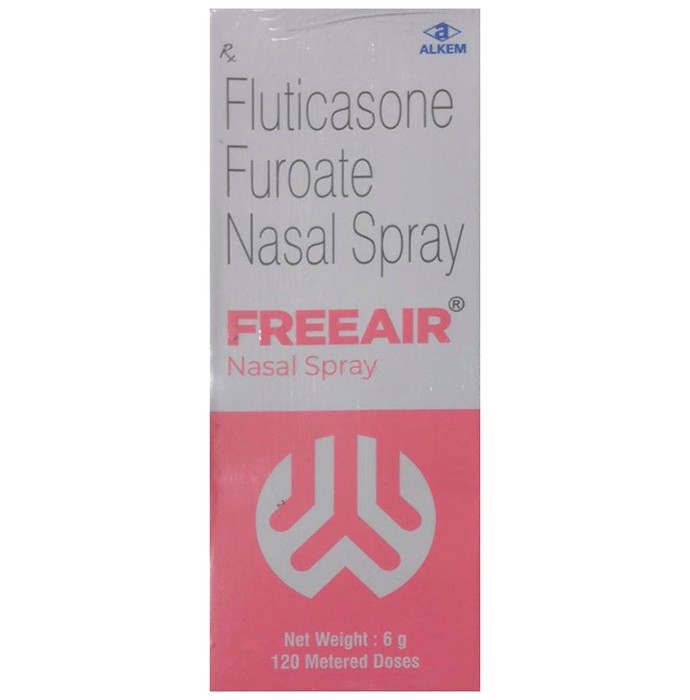
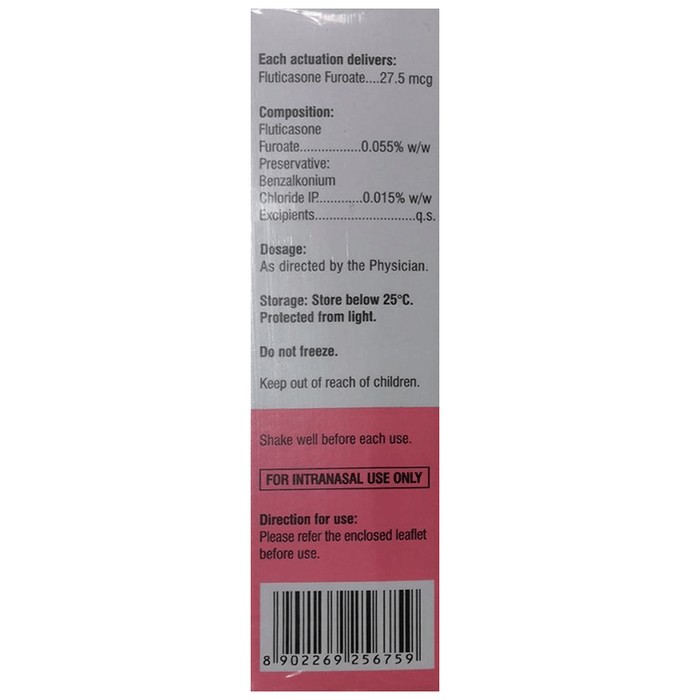
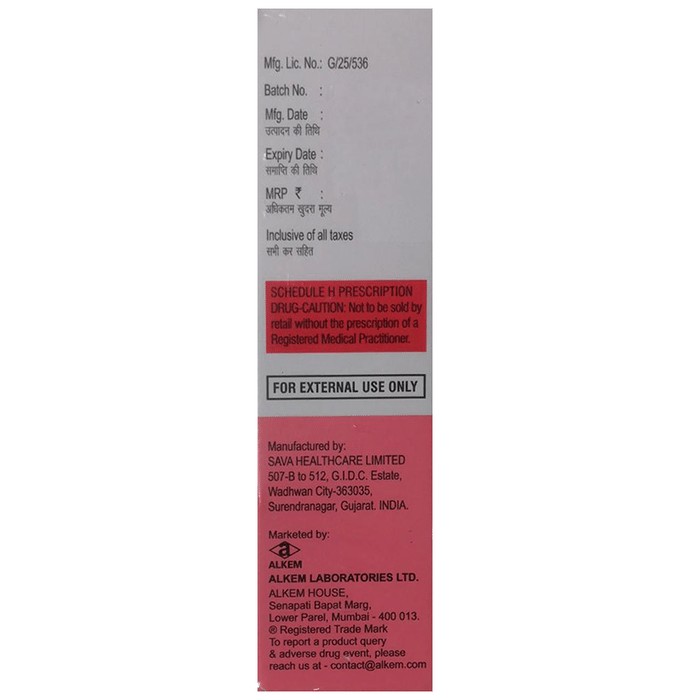
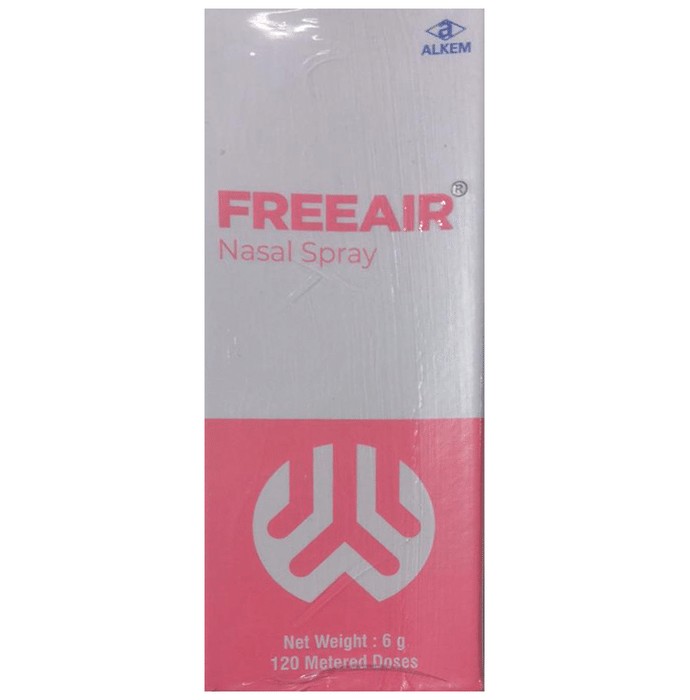
Freeair Nasal Spray

Marketer
Alkem Laboratories Ltd
Salt Composition
Fluticasone Propionate (27.5mcg)
Overview Freeair Nasal Spray
NasalEase spray, a corticosteroid medication, provides relief from rhinitis symptoms including nasal congestion, runny nose, sneezing, and sinus pressure. Its mechanism involves inhibiting inflammatory mediators responsible for allergic reactions and swelling within the nasal passages. Consistent use, as directed by your physician, is crucial for optimal efficacy. Before each application, gently blow your nose, occlude one nostril, administer the spray, and then inhale deeply to ensure proper distribution. Repeat for the other nostril. While nasal irritation is a frequent side effect, occasional nosebleeds or headaches may also occur. Report any persistent or concerning side effects to your doctor. Remember, corticosteroid use increases susceptibility to viral infections; therefore, avoid contact with infected individuals. Minimizing exposure to irritants such as pollen and dust mites, and abstaining from smoking, are also recommended. Inform your physician of pregnancy or breastfeeding before commencing treatment; a discussion of potential risks and benefits is essential. Prolonged use may necessitate periodic monitoring through medical tests to assess treatment progress.
Uses of Freeair Nasal Spray
Allergic rhinitis management: addressing sneezing and nasal discharge.
Major Benefits of Freeair Nasal Spray:
Administer this medication precisely as your physician prescribes, adhering to the dosage and treatment schedule. Consult the product label for application instructions prior to use. Insert the nozzle into a single nostril, occluding the other. Aim the spray towards the nasal walls, avoiding the central cartilage. Inhale gently and maintain an upright posture during application. Repeat for the opposite nostril.
Common Side effects of Freeair Nasal Spray:
- Nasal irritation
- Headache
- Nosebleeds
How to use Freeair Nasal Spray:
Administer this medication precisely as your physician directs, adhering to the prescribed dosage and treatment length. Consult the product label for application instructions prior to use. Insert the nozzle into a single nostril, occluding the other. Aim the spray towards the nasal walls, avoiding the cartilage separating the nostrils. Inhale gently and maintain an upright posture while dispensing. Repeat the procedure in the opposite nostril.
How Freeair Nasal Spray works:
Nasalcrom, a corticosteroid nasal spray, reduces nasal inflammation by inhibiting the release of inflammatory mediators.
SAFETY ADVICE
 AlcoholNone
No known drug interactions.
 PregnancyCONSULT YOUR DOCTOR
Using Freeair Nasal Spray during pregnancy may pose risks. While human research is scarce, animal studies indicate potential harm to a developing fetus. A physician will assess the advantages against possible risks prior to prescribing. Seek medical advice.
 Breast feedingSAFE IF PRESCRIBED
Lactating individuals can likely use Freeair Nasal Spray without significant risk to their infants. Available human data indicates minimal danger to the nursing child.
 DrivingNone
No known drug interactions.
 KidneyNone
No known drug interactions.
 LiverNone
No known drug interactions.
What if you forget to take Freeair Nasal Spray :
NA
Facts to Know About Freeair Nasal Spray
| Label | Value |
|---|---|
| Type of Compound | Corticosteroids |
| Addictive | None. |
| Type of Medication | Breathing-related |
| Mechanism of Action | Corticosteroids |
 3,018 People bought this recently