Search Icon

AUM Pharmacy

Hi there!

Hello, Login
All Categories
VisaVisaVisa
slide-0
slide-1
slide-2
slide-3
slide-4

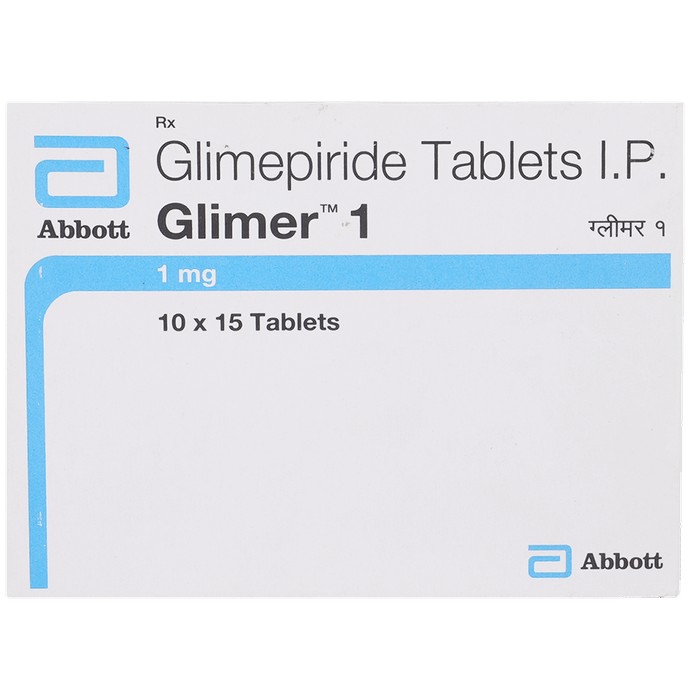
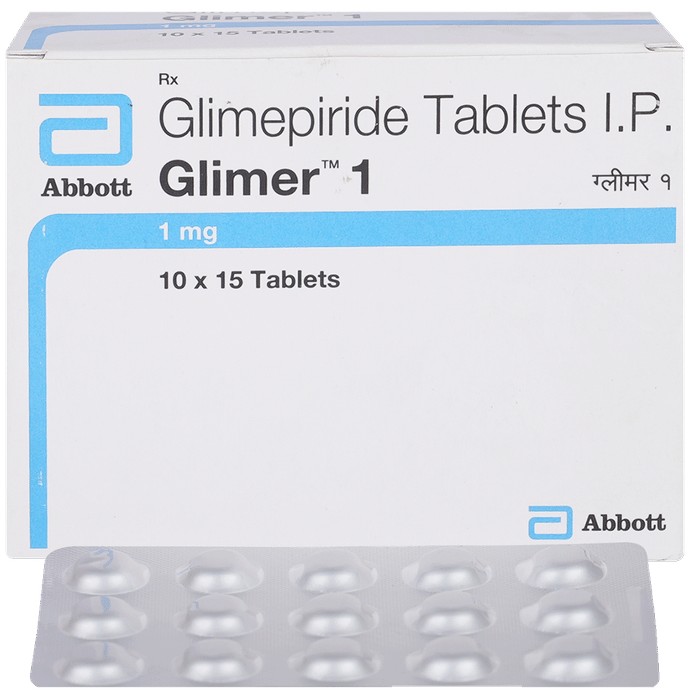
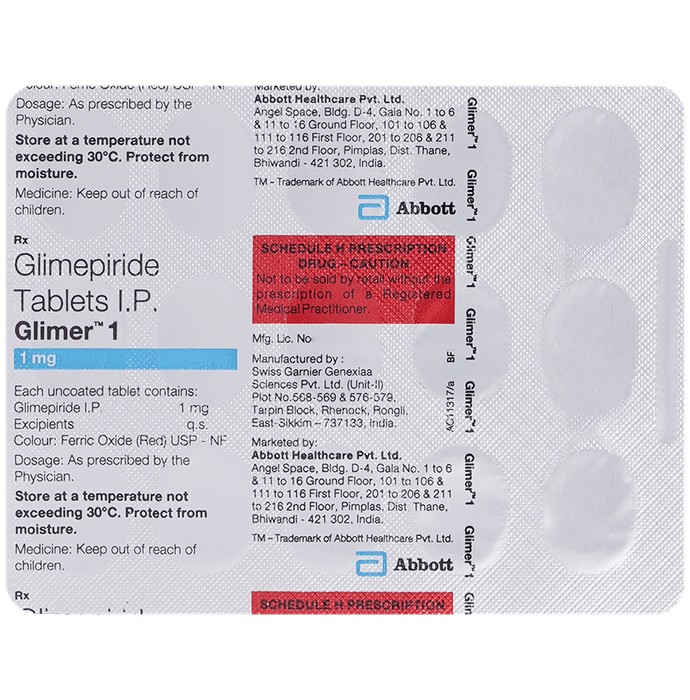
Glimer 1 Tablet

Prescription Icon
Prescription Required

Marketer

Abbott

Salt Composition

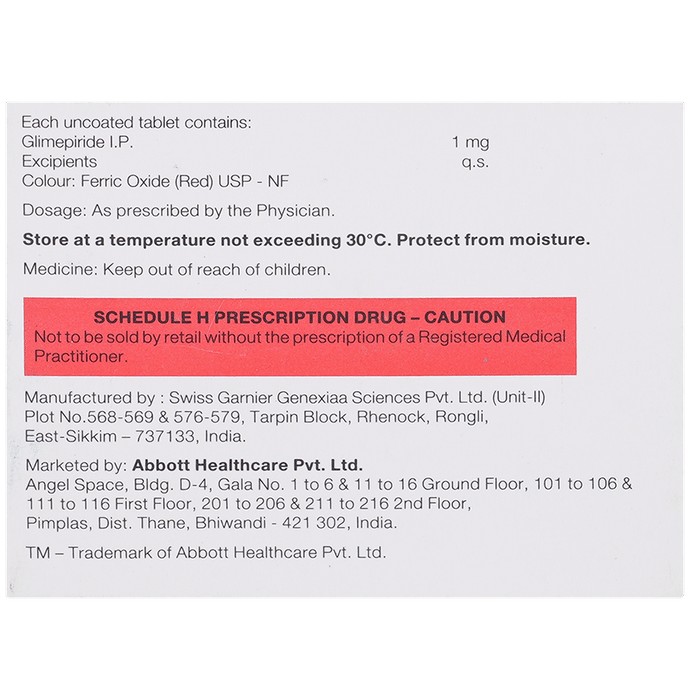
Glimepiride (1mg)

Overview Glimer 1 Tablet

Diabex-1, a sulfonylurea-class medication, manages type 2 diabetes in adults. It regulates blood glucose, mitigating diabetes-related complications like renal failure and vision loss. Diabex-1 can be a standalone treatment or used with other medications. Administer it immediately before or with your first daily meal, consistently at the same time for optimal results. Dosage is determined by your physician and may adjust based on your blood sugar readings. Continue Diabex-1 usage even with controlled blood sugar; discontinuation without medical guidance risks elevated glucose levels and subsequent complications including kidney damage, blindness, neuropathy, and limb loss. This medication is part of a comprehensive treatment plan including diet, exercise, and weight management as recommended by your doctor. Lifestyle significantly impacts diabetes control. Common side effects include hypoglycemia, nausea, headache, fatigue, and dizziness. Learn to identify hypoglycemic symptoms (sweating, dizziness, headache, tremors) and appropriate countermeasures. Maintain regular meals and carry readily available glucose (sugary foods or juice). Alcohol increases hypoglycemia risk and should be avoided. Weight gain is a potential side effect. Diabex-1 is contraindicated in type 1 diabetes, diabetic ketoacidosis, and severe hepatic or renal impairment. Inform your physician of any heart, thyroid, or hormonal disorders before use; pregnancy and breastfeeding necessitate medical consultation. Regular blood glucose monitoring, along with blood cell and liver function tests, may be recommended by your doctor.

Uses of Glimer 1 Tablet

Managing type 2 diabetes

Major Benefits of Glimer 1 Tablet:

Consume this medication precisely as prescribed by your physician, adhering to both the dosage and treatment schedule. Ingest the tablet whole; avoid chewing, crushing, or fracturing it. The Glimer 1 Tablet should be administered with a meal.

Common Side effects of Glimer 1 Tablet:

  • Hypoglycemia (low blood glucose level)
  • Headache
  • Nausea
  • Dizziness
  • Weakness

How to use Glimer 1 Tablet:

Consume this medication precisely as your physician directs, adhering to both the prescribed dosage and treatment length. Ingest the tablet whole; avoid chewing, crushing, or fracturing it. Take one Glimer tablet with a meal.

How Glimer 1 Tablet works:

One Glimer tablet is an anti-diabetic drug that enhances pancreatic insulin secretion, thus reducing blood sugar levels.

SAFETY ADVICE

AlcoholAlcoholUNSAFE

Combining Glimer 1 Tablet and alcohol is unsafe.

PregnancyPregnancyCONSULT YOUR DOCTOR

Using Glimer 1 Tablet during pregnancy may pose risks. While human data is scarce, animal research indicates potential harm to the unborn child. A physician will assess the advantages against possible dangers prior to prescribing. Seek medical advice.

Breast feedingBreast feedingCONSULT YOUR DOCTOR

Administering Glimer 1 Tablet while breastfeeding is likely inadvisable. Available human data indicates potential transfer to breast milk, posing a risk to the infant. Close observation of the nursing infant's blood glucose levels is recommended when the mother takes Glimer 1 Tablet.

DrivingDrivingCAUTION

Driving ability can be impaired by both hypoglycemia and hyperglycemia. Refrain from driving if you experience these conditions.

KidneyKidneyCAUTION

Exercise caution when administering Glimer 1 Tablet to individuals with impaired kidney function; dosage modification may be necessary. Consult a physician before use. Glimer 1 Tablet is contraindicated in patients exhibiting severe kidney disease due to the risk of severe hypoglycemia, which may resolve gradually.

LiverLiverCAUTION

Caution is advised when administering Glimer 1 Tablet to individuals with hepatic impairment; dosage modification may be necessary. Physician consultation is recommended. Glimer 1 Tablet is contraindicated in patients exhibiting severe liver disease due to the risk of profound hypoglycemia, which may eventually resolve.

What if you forget to take Glimer 1 Tablet :

Omit the missed Glimer 1 Tablet dose; resume your regular dosing schedule.

Facts to Know About Glimer 1 Tablet

LabelValue
Type of Compound Third-generation sulfonylurea agent
Potential for Dependence None.
Medication Category Diabetes medication

FAQs on Glimer 1 Tablet

Initiate Glimer 1 Tablet treatment with 1 mg or 2 mg daily, taken with breakfast. Individuals with increased hypoglycemia risk (such as the elderly or those with kidney disease) should begin with 1 mg daily. The typical maintenance dosage ranges from 1 to 4 mg daily, with a maximum daily dose of 8 mg. Following a 2 mg daily dose, subsequent increases should not exceed 2 mg and should be spaced 1 to 2 weeks apart, guided by blood glucose monitoring.
Glimer 1 Tablet is not inherently sedative. Nevertheless, concomitant use with other antidiabetic medications can induce hypoglycemia, potentially resulting in somnolence or sleep disturbances.
Patients with healthy kidneys are not expected to experience renal impairment from Glimer 1 Tablet. Nevertheless, its administration is contraindicated in individuals with severe kidney dysfunction due to the drug's primary renal excretion pathway.
Glimer 1 Tablet is not associated with memory impairment. Nevertheless, its use can result in hypoglycemia, potentially leading to difficulties with concentration and diminished attentiveness.
Patients with a known allergy to Glimer 1 Tablet, severe hepatic or renal impairment, G6PD deficiency, or those scheduled for surgery should not use this medication. Similarly, its use is contraindicated in individuals attempting conception, pregnant women, breastfeeding mothers, and those with type 1 diabetes mellitus.
One Glimer tablet typically lowers blood glucose within two to three hours. You might not notice any immediate change, but this doesn't indicate ineffectiveness. Follow your physician's prescribed dosage regimen, and contact them with any questions or worries.
Diabetes management typically requires ongoing treatment, often lifelong. Glimer 1 Tablet manages blood sugar levels but doesn't provide a cure. Discontinuing Glimer 1 Tablet should only occur under a physician's guidance. Abrupt cessation may exacerbate your diabetic condition.
Take Glimer 1 Tablet only as prescribed by your physician. Excessive Glimer 1 Tablet intake can drastically lower blood glucose (hypoglycemia). If you suspect an overdose and notice a drop in your blood sugar, ingest a quick-acting sugar source (such as sugar cubes, sugary juice, or sweetened beverage) and contact a doctor promptly. Serious hypoglycemia, including unconsciousness or coma, necessitates urgent medical care and hospitalization.
Consuming a Glimer 1 Tablet without food may result in dangerously low blood glucose. Hypoglycemia can manifest as dizziness, tremors, nervousness, mood swings, tachycardia, and disorientation. Consequently, administer this medication with breakfast or your initial meal. Omit the tablet if a meal is missed.
Glimer 1 Tablet use may result in weight increase. As a sulfonylurea medication, it promotes insulin secretion from the pancreas, potentially increasing appetite and leading to modest weight gain in certain individuals. Maintaining a healthy diet and consistent exercise are recommended to manage weight.
Glimer 1 Tablet may induce dizziness. Should this occur, rest in a seated or lying position until the sensation subsides. Carrying readily available glucose, such as fruit juice or sweets, is advisable when traveling to manage potential dizziness.
To maintain optimal health, limit consumption of foods rich in saturated and trans fats; favor healthy fats found in fish and nuts. Managing carbohydrate intake is crucial for blood sugar regulation.
Glimer 1 Tablet is safe under a physician's guidance. Nevertheless, some adverse reactions are possible. Optimal efficacy requires consistent daily dosing at the prescribed amount.
Individuals with diabetes need to incorporate protein, alongside other vital nutrients, in their daily meals. Protein is a significant energy source among essential nutrients. It serves as a fundamental building block for the body and metabolizes into glucose, releasing energy. However, this glucose release from protein is considerably slower than from carbohydrates. Consequently, a rise in blood glucose levels typically occurs hours after high-protein food intake.
Individuals with diabetes should avoid or minimize consumption of artificial sweeteners. These substances contain chemicals that may trigger a range of adverse reactions, from mild to serious. Therefore, restricted usage is recommended.
Uncontrolled diabetes is indeed a significant risk factor for kidney failure. Prolonged diabetes can damage the kidneys, resulting in diabetic nephropathy, a leading cause of kidney failure among diabetics. Protecting kidney health requires diligent diabetes management, including dietary adjustments, consistent blood glucose monitoring, regular blood tests, and adherence to prescribed medications.
High blood sugar characterizes diabetes, a condition that, if unmanaged, risks severe damage to vital organs like the heart, kidneys, brain, and eyes. Nevertheless, through dietary adjustments, lifestyle modifications, and appropriate medication, individuals can effectively control their diabetes and maintain a healthy existence.
Glimer 1 Tablet
54
MRP 62
13% off
