


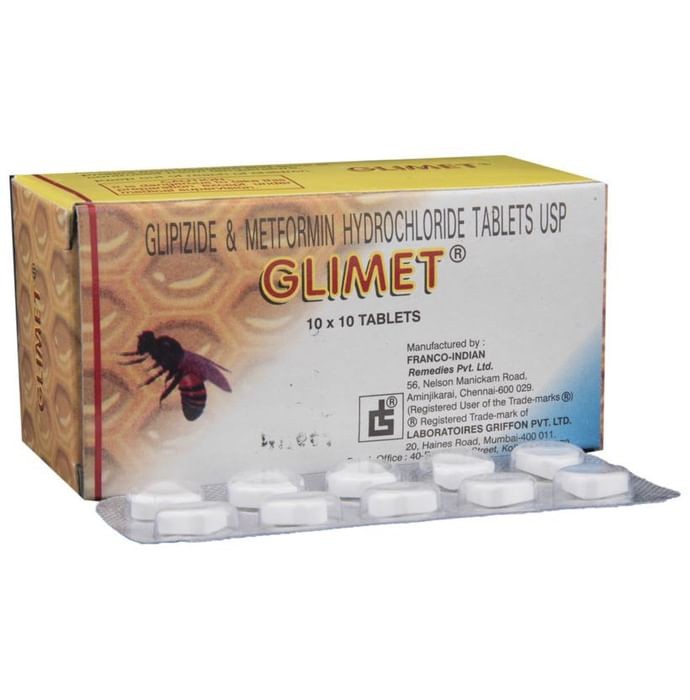
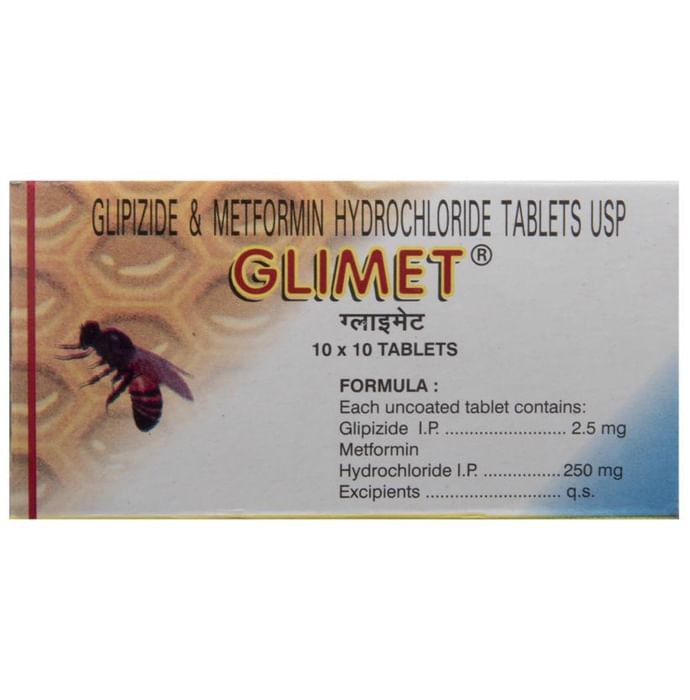
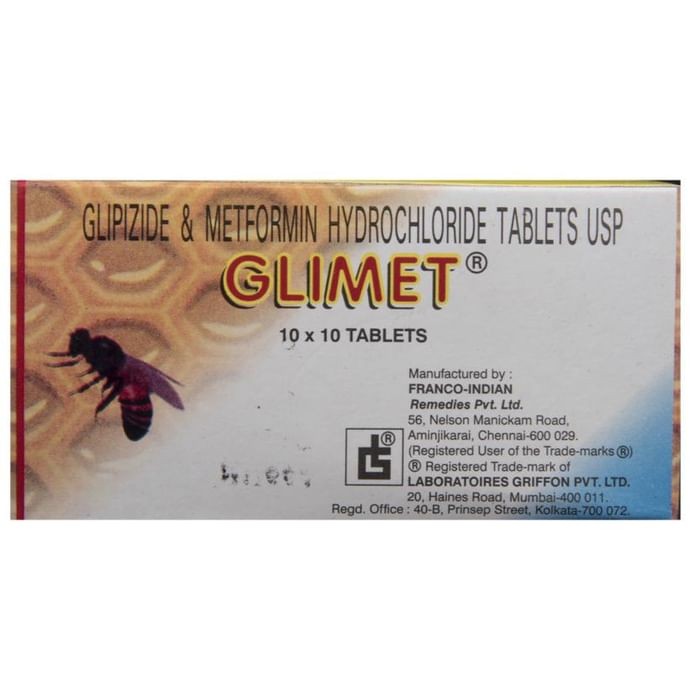
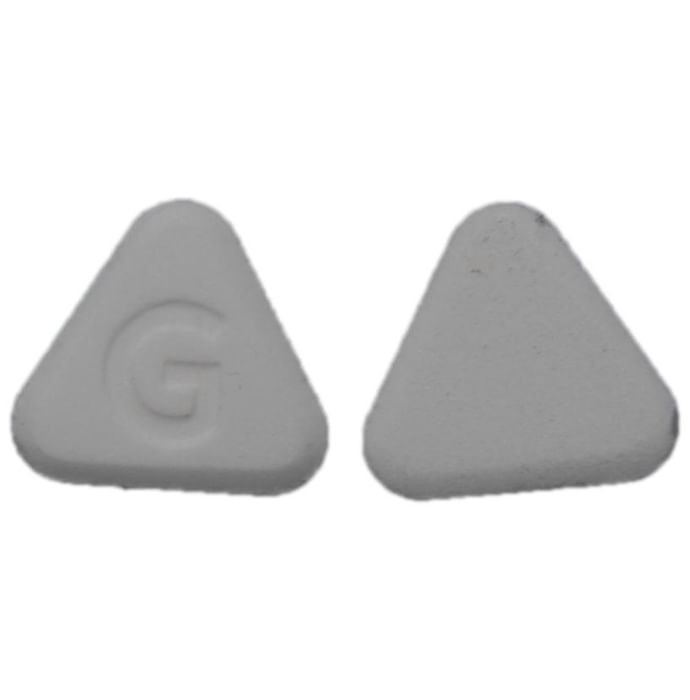
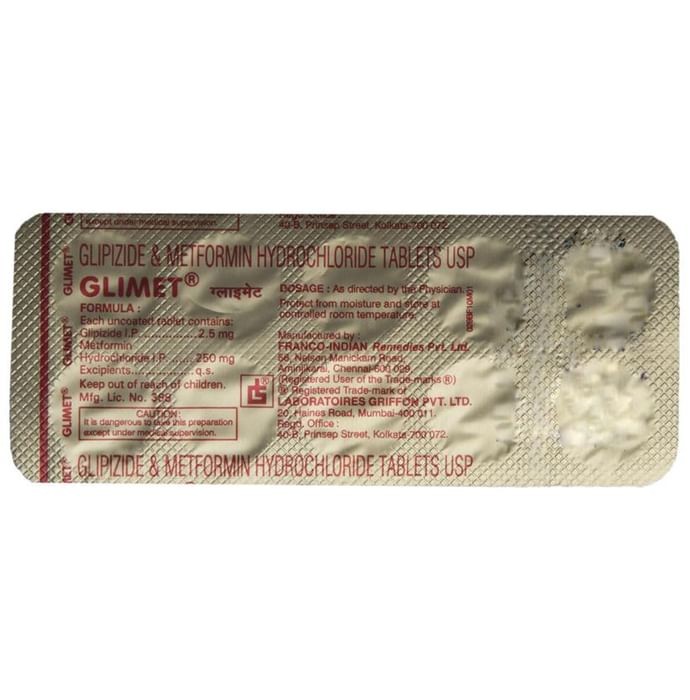
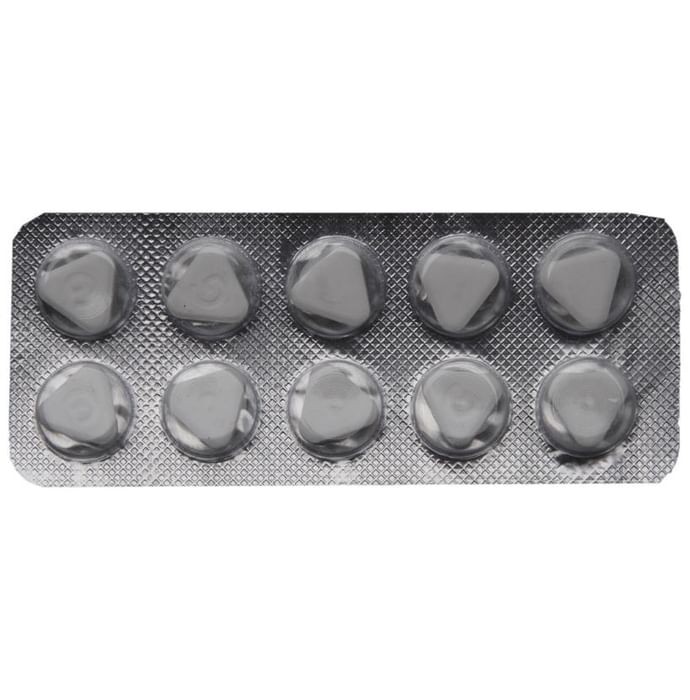
Glimet Tablet

Marketer
Franco-Indian Pharmaceuticals Pvt Ltd
Salt Composition
Glipizide (2.5mg) + Metformin (250mg)
Overview Glimet Tablet
Diabetic patients may find relief with the dual-action formula of GlucoBalance tablets, an anti-diabetic medication. This adult-only treatment for type 2 diabetes mellitus effectively manages blood glucose. For optimal absorption, GlucoBalance should be ingested with meals, consistently at the same time daily. Dosage is determined individually by your physician and may be adjusted based on blood sugar monitoring. Continuous use is vital; abrupt cessation can lead to elevated blood sugar, potentially resulting in kidney complications, vision impairment, neuropathy, and limb loss. Remember, GlucoBalance is just one component of comprehensive diabetes management, requiring a balanced diet, regular exercise, and weight management as directed by your doctor. Commonly, GlucoBalance may cause hypoglycemia (low blood sugar). Familiarize yourself with symptoms like sweating, dizziness, headaches, and tremors, and know how to respond. Maintain regular mealtimes and always carry a quick-acting glucose source (e.g., sugary snacks, juice). Alcohol consumption should be limited due to its potential to exacerbate hypoglycemia. Other possible side effects include altered taste, nausea, diarrhea, abdominal discomfort, headaches, edema, blurred vision, fractures, and upper respiratory infections. Weight gain is also a possibility. Contraindicated in patients with type 1 diabetes, diabetic ketoacidosis, or significant liver or kidney impairment. Prior heart conditions should be disclosed to your physician before starting GlucoBalance, as it may not be appropriate. Pregnant or nursing individuals must consult their doctor prior to use. Regular blood sugar checks are essential, and your physician might order blood tests to monitor blood cell counts and liver function.
Primary Ingredients of Glimet Tablet
The provided text is "undefined," offering no content to rephrase.
Uses of Glimet Tablet
Managing type 2 diabetes
Major Benefits of Glimet Tablet:
Follow your doctor's instructions precisely regarding dosage and treatment length for this medication. Ingest the tablet whole; avoid chewing, crushing, or breaking it. Glimet tablets should be administered with food.
Common Side effects of Glimet Tablet:
- Hypoglycemia (low blood glucose level)
- Diarrhea
- Headache
- Upper respiratory tract infection
How to use Glimet Tablet:
Follow your doctor's instructions precisely regarding dosage and treatment length for this medication. Ingest the tablet whole; avoid chewing, crushing, or breaking it. Glimet should be administered with food.
How Glimet Tablet works:
Glimet tablets contain a dual-action formulation of glipizide and metformin, both medications used to manage diabetes.
SAFETY ADVICE
 AlcoholUNSAFE
Combining Glimet Tablet with alcohol is contraindicated.
 PregnancyCONSULT YOUR DOCTOR
Using Glimet Tablet during pregnancy might pose risks. While human research is scarce, animal studies indicate potential harm to the fetus. A physician will assess the advantages against possible dangers prior to prescribing. Seek medical advice.
 Breast feedingCONSULT YOUR DOCTOR
Lactation and Glimet Tablet use are likely incompatible. Available human data indicate potential transfer of the medication into breast milk, posing a risk to the infant.
 DrivingCAUTION
Driving ability can be impaired by both hypoglycemia and hyperglycemia. Refrain from driving if you experience these conditions.
 KidneyCAUTION
Patients with kidney impairment should use Glimet tablets cautiously, potentially requiring dosage modification under medical supervision. Glimet tablets are contraindicated in those with severe kidney disease. Regular monitoring of kidney function is recommended during treatment.
 LiverCAUTION
Patients with liver impairment should use Glimet Tablet cautiously, potentially requiring dosage modification. Consultation with a physician is advised. A low initial dose is typically prescribed for individuals with mild to moderate liver disease; however, Glimet Tablet is contraindicated in those with severe hepatic dysfunction.
What if you forget to take Glimet Tablet :
Should you forget a Glimet Tablet dose, ingest it promptly. Nevertheless, if your next scheduled dose is imminent, omit the missed one and resume your usual dosing regimen. Avoid taking a double dose.
Facts to Know About Glimet Tablet
| Label | Value |
|---|---|
| Developing Habits | No. |
| Treatment Category | Diabetes Management |
 3,018 People bought this recently