


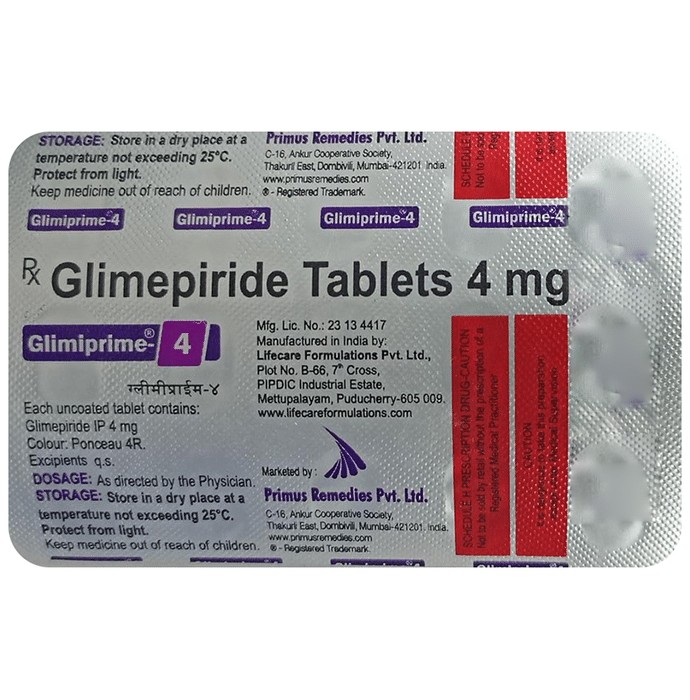
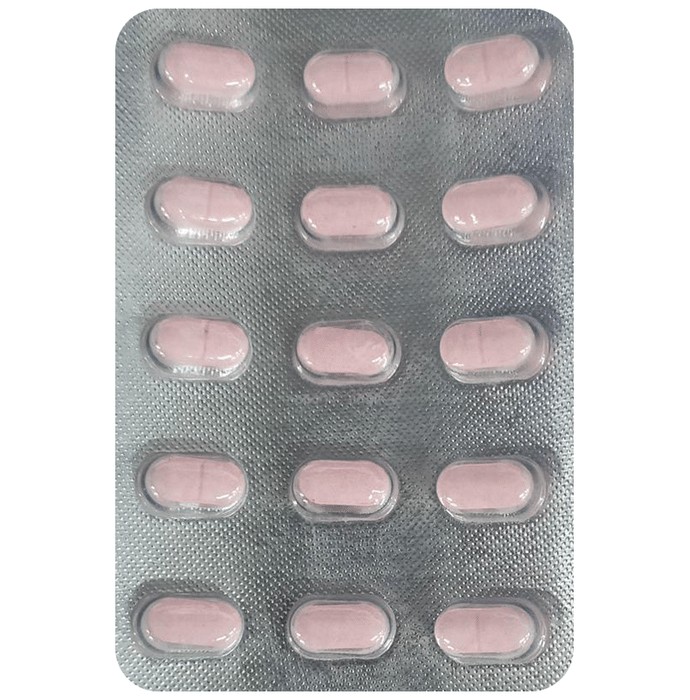
Glimiprime 4mg Tablet

Marketer
Primus Remedies Pvt Ltd
Salt Composition
Glimepiride (4mg)
Overview Glimiprime 4mg Tablet
Diabetam 4mg tablets, a sulfonylurea-class medication, manage type 2 diabetes in adults. It regulates blood glucose, mitigating serious diabetic complications like vision impairment and kidney failure. Diabetam 4mg may be prescribed alone or in combination with other therapies. Administer immediately before or with the first meal, consistently at the same time daily for optimal efficacy. Dosage is determined by your physician and may adjust based on glucose readings. Continuous use of Diabetam 4mg is crucial, even with controlled blood sugar, as discontinuation without medical supervision can elevate glucose levels, increasing the risk of kidney disease, blindness, neuropathy, and limb loss. This medication forms part of a comprehensive treatment plan encompassing diet, exercise, and weight management as directed by your doctor; lifestyle significantly impacts diabetes control. Common side effects include hypoglycemia (low blood sugar), nausea, headache, fatigue, and vertigo. Learn to identify hypoglycemia symptoms (sweating, dizziness, headache, tremors) and appropriate countermeasures. Maintain regular meals and carry readily available glucose sources (sugary foods, juice). Alcohol consumption should be limited due to its potential to exacerbate hypoglycemia. Weight gain is a possible side effect. Diabetam 4mg is contraindicated in type 1 diabetes, diabetic ketoacidosis, and severe hepatic or renal impairment. Inform your physician of any prior history of heart, thyroid, or hormonal disorders before commencing treatment, as it may be unsuitable. Pregnant or lactating individuals require medical consultation prior to use. Regular blood glucose monitoring and potential blood tests (complete blood count and liver function tests) will be recommended by your doctor.
Uses of Glimiprime 4mg Tablet
Managing type 2 diabetes
Major Benefits of Glimiprime 4mg Tablet:
Follow your doctor's instructions precisely regarding the dosage and treatment length for this medication. Ingest the 4mg Glimiprime tablet whole; avoid chewing, crushing, or breaking it. Always take it with a meal.
Common Side effects of Glimiprime 4mg Tablet:
- Hypoglycemia (low blood glucose level)
- Headache
- Nausea
- Dizziness
- Weakness
How to use Glimiprime 4mg Tablet:
Follow your doctor's instructions precisely regarding the dosage and treatment length for this medication. Ingest the 4mg Glimiprime tablet whole; do not crush, chew, or divide it. Administer this medication with a meal.
How Glimiprime 4mg Tablet works:
Diabetic patients may use the 4mg Glimiprime tablet, an antihyperglycemic agent that stimulates pancreatic insulin secretion, thus reducing blood sugar levels.
SAFETY ADVICE
 AlcoholUNSAFE
Consuming alcohol while taking Glimiprime 4mg Tablet is inadvisable.
 PregnancyCONSULT YOUR DOCTOR
Using Glimiprime 4mg tablets during pregnancy may pose risks. While human research is scarce, animal studies indicate potential harm to a developing fetus. A physician will assess the advantages against possible dangers before prescribing. Seek medical advice.
 Breast feedingCONSULT YOUR DOCTOR
Lactation and Glimiprime 4mg tablets are likely incompatible. Studies indicate potential drug transfer to breast milk, posing a risk to the infant. Close observation of the nursing infant's blood sugar levels is recommended while the mother takes Glimiprime 4mg.
 DrivingCAUTION
Driving ability can be impaired by both hypoglycemia and hyperglycemia. Refrain from driving if you experience these conditions.
 KidneyCAUTION
Patients with impaired kidney function should use Glimiprime 4mg Tablets cautiously, potentially requiring dosage modification. Consultation with a physician is advisable. Glimiprime 4mg Tablets are contraindicated in patients with severe kidney disease due to the risk of significantly low blood glucose, which may resolve over an extended period.
 LiverCAUTION
Patients with liver impairment should use Glimiprime 4mg tablets cautiously, potentially requiring dosage modifications under medical supervision. Severe hepatic dysfunction contraindicates Glimiprime 4mg tablet use due to the risk of prolonged, dangerously low blood glucose.
What if you forget to take Glimiprime 4mg Tablet :
Omit the forgotten Glimiprime 4mg Tablet dose; proceed with your next scheduled dose as normal.
Facts to Know About Glimiprime 4mg Tablet
| Label | Value |
|---|---|
| Chemical Type | Advanced Sulfonylurea |
| Developing Habits | No. |
| Treatment Category | Diabetes Management |
 3,018 People bought this recently