


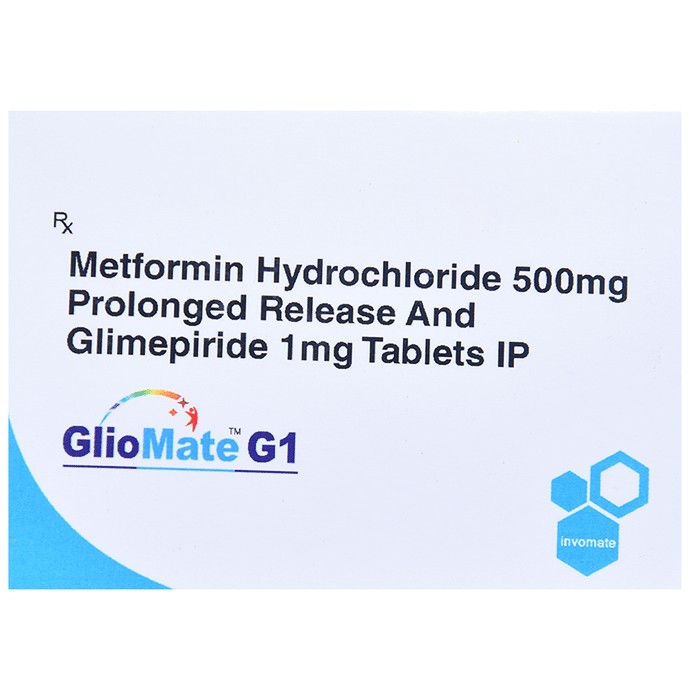
Gliomate G1 Tablet PR

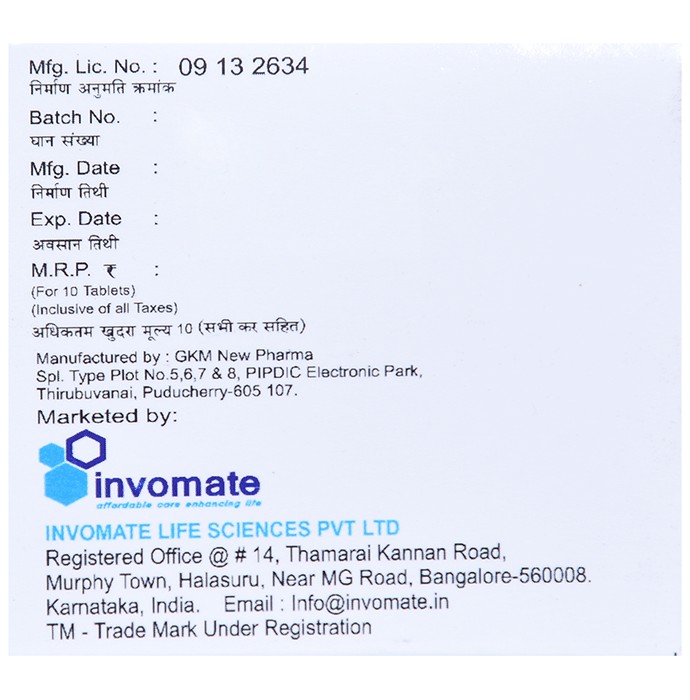
Marketer
Invomate Lifesciences Pvt Ltd
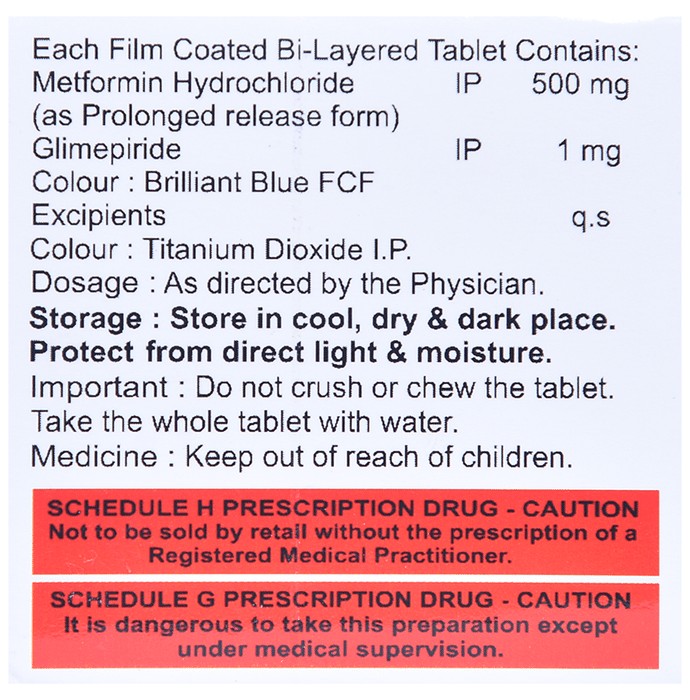
Salt Composition
Glimepiride (1mg) + Metformin (500mg)
Overview Gliomate G1 Tablet PR
Diabetic patients in adulthood may benefit from the dual-action formulation of Glimate G1 Tablet PR, an antidiabetic medication. This combination therapy effectively manages blood glucose levels. Consistent daily use, ideally at the same time with meals, maximizes its efficacy. Dosage adjustments are determined by your physician based on individual blood sugar monitoring. Continuous use is crucial; discontinuation without medical consultation risks elevated blood sugar, potentially leading to complications like kidney impairment, vision loss, neuropathy, and limb loss. Remember, Glimate G1 is part of a comprehensive diabetes management plan, encompassing a healthy diet, regular exercise, and weight management as directed by your doctor. Commonly, Glimate G1 can cause hypoglycemia (low blood sugar). Be aware of hypoglycemia symptoms—sweating, dizziness, headache, tremors—and how to counter them (fast-acting glucose like juice or sweets). Alcohol consumption elevates hypoglycemia risk and should be avoided. Additional potential side effects include altered taste, nausea, diarrhea, abdominal discomfort, headaches, and upper respiratory infections. Weight gain may occur. Glimate G1 is contraindicated for type 1 diabetes, diabetic ketoacidosis, and severe hepatic or renal dysfunction. Inform your physician of any prior heart conditions before commencing treatment; it may be unsuitable. Pregnant or lactating individuals must seek medical advice prior to use. Regular blood glucose monitoring is essential, and your doctor may order blood tests to track blood cell counts and liver function.
Primary Ingredients of Gliomate G1 Tablet PR
No information provided. Please provide the text you wish me to rephrase.
Uses of Gliomate G1 Tablet PR
Managing type 2 diabetes
Major Benefits of Gliomate G1 Tablet PR:
Follow your physician's instructions or consult the product label for proper administration. Take Gliomate G1 Tablet PR with a meal.
Common Side effects of Gliomate G1 Tablet PR:
- Headache
- Hypoglycemia (low blood glucose level)
- Nausea
- Diarrhea
How to use Gliomate G1 Tablet PR:
Follow your physician's instructions or consult the product label for usage guidance. Administer Gliomate G1 Tablet PR with a meal.
How Gliomate G1 Tablet PR works:
Gliomate G1 Tablet PR combines glimepiride and metformin, two distinct antidiabetic agents. Glimepiride, a sulfonylurea, enhances insulin secretion from the pancreas, thus reducing blood sugar. Metformin, a biguanide, acts by decreasing hepatic glucose production, slowing intestinal glucose absorption, and improving insulin responsiveness.
SAFETY ADVICE
 AlcoholUNSAFE
Combining Gliomate G1 Tablet PR with alcohol is inadvisable due to safety concerns.
 PregnancyCONSULT YOUR DOCTOR
The use of Gliomate G1 Tablet PR during pregnancy may pose risks. While human research is scarce, animal studies indicate potential harm to a developing fetus. A physician will assess the advantages against any possible dangers prior to prescribing. Seek medical advice.
 Breast feedingUNSAFE
Use of Gliomate G1 Tablet PR is contraindicated while breastfeeding due to potential infant toxicity.
 DrivingCAUTION
Driving ability can be impaired by both hypoglycemia and hyperglycemia. Refrain from driving if you experience these conditions.
 KidneyCAUTION
Patients with kidney impairment should use Gliomate G1 Tablet PR cautiously, potentially requiring dosage modification. Consult your physician for guidance. Gliomate G1 Tablet PR is contraindicated in patients with severe kidney disease. Regular monitoring of renal function is recommended during treatment.
 LiverCAUTION
Patients with liver impairment should use Gliomate G1 Tablet PR cautiously, potentially requiring dosage modification. Consult a physician for guidance. A low initial dose is typically prescribed for those with mild to moderate liver disease; however, its use is contraindicated in patients with severe hepatic dysfunction.
What if you forget to take Gliomate G1 Tablet PR :
Should you forget a Gliomate G1 Tablet PR dose, take it immediately. Nevertheless, if your next dose is imminent, omit the missed dose and resume your usual dosing regimen. Avoid taking a double dose.
Facts to Know About Gliomate G1 Tablet PR
| Label | Value |
|---|---|
| Developing Good Habits | No. |
| Treatment Category | Diabetes Management |
 3,018 People bought this recently