


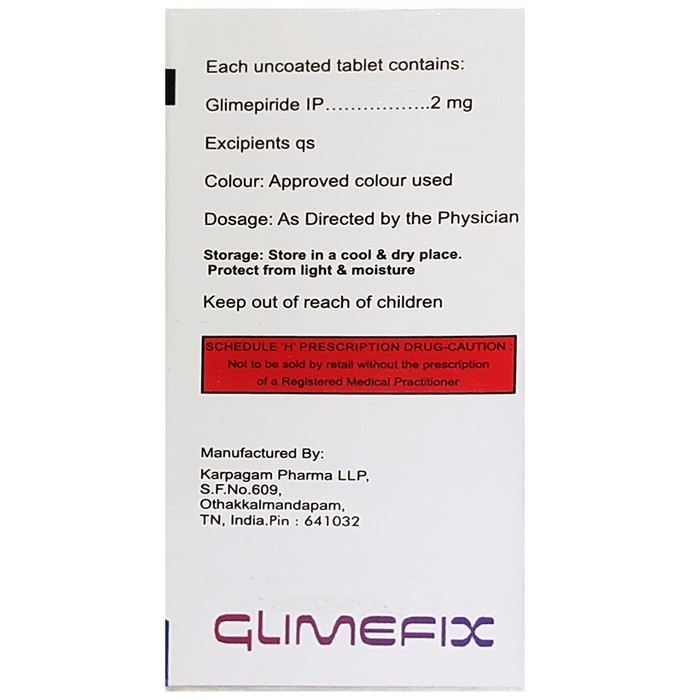
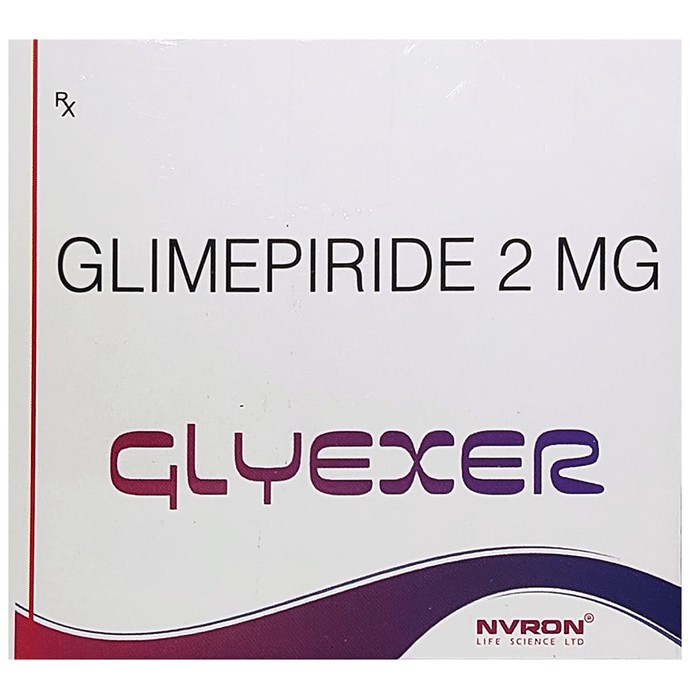
Glyexer Tablet

Marketer
Nvron Life Science Ltd
Salt Composition
Glimepiride (2mg)
Overview Glyexer Tablet
Diabetase, a sulfonylurea-class medication, manages type 2 diabetes in adults. It regulates blood glucose, mitigating serious diabetic complications like vision loss and kidney failure. Diabetase can be prescribed alone or with other treatments, ideally taken with the first meal daily for consistent efficacy. Dosage is individualized and adjusted based on glucose monitoring. Continuous use, even with controlled blood sugar, is crucial; abrupt cessation risks dangerously elevated glucose and potential complications including neuropathy, nephropathy, and limb loss. Diabetase is part of a comprehensive diabetes management plan including diet, exercise, and weight management as directed by your physician. Lifestyle choices are paramount. Common side effects include hypoglycemia (low blood sugar), nausea, headache, fatigue, and dizziness. Recognize hypoglycemia symptoms (sweating, dizziness, headache, tremors) and carry a fast-acting sugar source. Alcohol consumption should be limited due to increased hypoglycemia risk. Weight gain is a possible side effect. Diabetase is contraindicated in type 1 diabetes, diabetic ketoacidosis, and severe hepatic or renal impairment. Inform your physician of pre-existing heart, thyroid, or hormonal disorders before use. Consult your doctor before use during pregnancy or breastfeeding. Regular blood glucose monitoring and periodic blood tests (blood cell counts and liver function) are recommended.
Primary Ingredients of Glyexer Tablet
No text provided. Please provide the text you wish me to rewrite.
Uses of Glyexer Tablet
Managing Type 2 diabetes
Major Benefits of Glyexer Tablet:
Consume this medication according to your physician's prescribed dosage and schedule. Ingest the tablet whole; avoid chewing, crushing, or fracturing it. It's recommended to take Glyexer Tablet with a meal.
Common Side effects of Glyexer Tablet:
- Hypoglycemia (low blood glucose level)
- Headache
- Nausea
- Dizziness
- Weakness
How to use Glyexer Tablet:
Administer this medication precisely as your physician directs, adhering to the prescribed dosage and treatment period. Ingest the Glyexer Tablet whole; avoid chewing, crushing, or fracturing it. Consume this medication with food.
How Glyexer Tablet works:
Glyexer tablets are used to manage diabetes. Their mechanism of action involves stimulating the pancreas to produce more insulin, thus reducing blood sugar levels.
SAFETY ADVICE
 AlcoholUNSAFE
Consuming alcohol while taking Glyexer Tablets is inadvisable.
 PregnancyCONSULT YOUR DOCTOR
The use of Glyexer Tablets during pregnancy may pose risks. While human data is scarce, animal research indicates potential harm to a developing fetus. A physician will assess the potential benefits against any risks prior to prescription. Consult your doctor for advice.
 Breast feedingCONSULT YOUR DOCTOR
Glyexer Tablet use while breastfeeding is likely unsafe. Available human data indicates potential transfer to breast milk, posing a risk to the infant. Close monitoring of the nursing infant's blood sugar levels is recommended when the mother takes Glyexer Tablet.
 DrivingCAUTION
Impaired driving may result from excessively high or low blood glucose levels. Refrain from driving if such symptoms arise.
 KidneyCAUTION
Patients with kidney impairment should exercise caution when using Glyexer Tablets, as dose modification may be necessary. Consult a physician before use. Glyexer Tablets are contraindicated in patients with severe kidney disease due to the risk of profound hypoglycemia, which may resolve over an extended period.
 LiverCAUTION
Patients with liver impairment should use Glyexer Tablet cautiously, potentially requiring dose modification. Consult a physician before use. Glyexer Tablet is contraindicated in patients with severe hepatic disease due to the risk of profound hypoglycemia, which may resolve only after an extended period.
What if you forget to take Glyexer Tablet :
Omit the forgotten Glyexer Tablet dose; resume your regular dosing schedule.
Facts to Know About Glyexer Tablet
| Label | Value |
|---|---|
| Chemical Type | Advanced Sulfonylurea |
| Developing Habits | No. |
| Treatment Category | Diabetes Treatment |
 3,018 People bought this recently