Search Icon

AUM Pharmacy

Hi there!

Hello, Login
All Categories
VisaVisaVisa
slide-0
slide-1
slide-2
slide-3
slide-4
slide-5

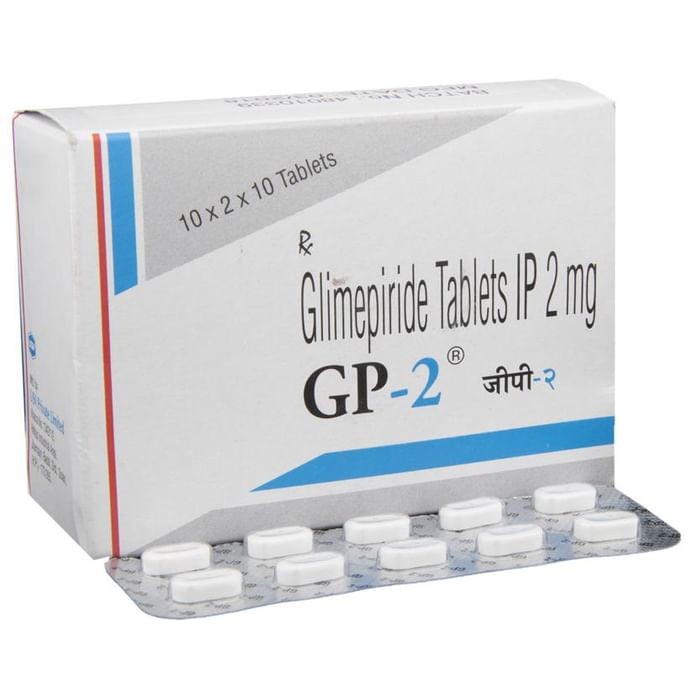
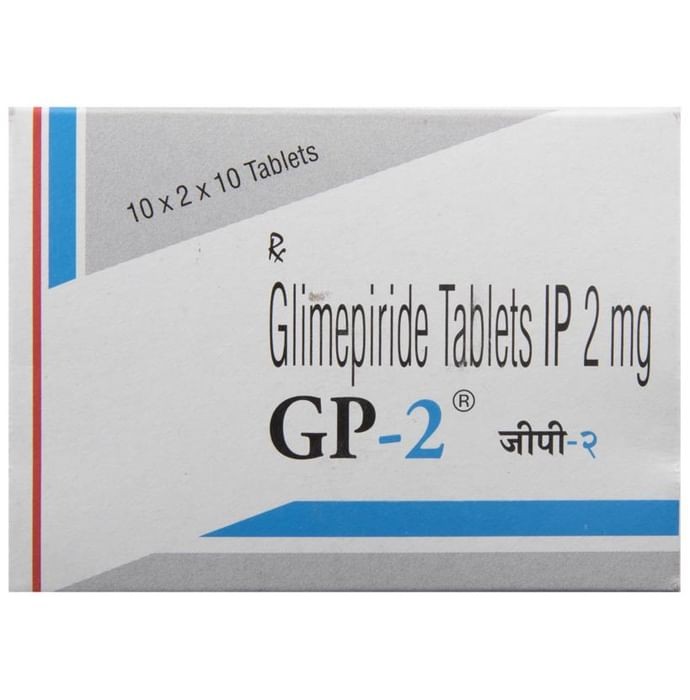
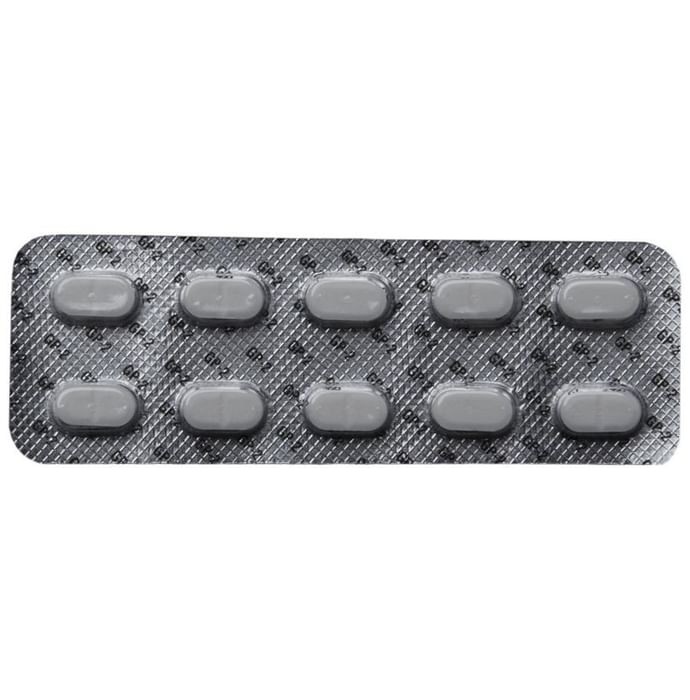
GP 2 Tablet

Prescription Icon
Prescription Required

Marketer

USV Ltd

Salt Composition

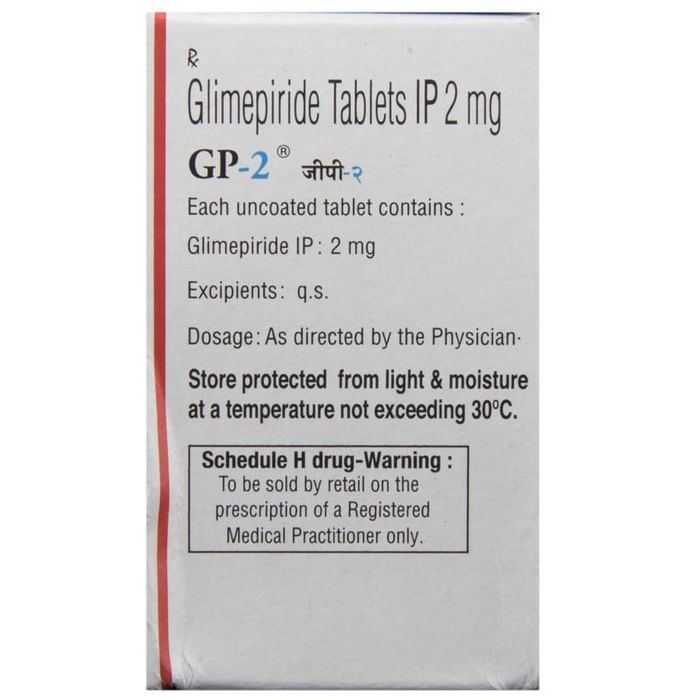
Glimepiride (2mg)

Overview GP 2 Tablet

Sulfonylurea-based medication, Glyburide (example name, replace with actual drug name if known), is indicated for adult-onset type 2 diabetes management. It effectively regulates blood glucose, mitigating risks like renal impairment and vision loss. Glyburide can be prescribed as monotherapy or in combination with other treatments. Optimal efficacy requires consistent daily ingestion, ideally before or with the morning meal. Dosage is individualized and may adjust based on glucose monitoring. Discontinuing Glyburide without physician consultation risks elevated blood sugar and associated complications including neuropathy, limb loss, and the previously mentioned kidney and eye problems. This medication forms part of a comprehensive management plan, incorporating dietary modifications, exercise, and weight management as directed by your healthcare provider. Lifestyle adjustments are crucial for successful diabetes control. Common adverse effects involve hypoglycemia (characterized by sweating, trembling, confusion, and lightheadedness), nausea, cephalalgia, asthenia, and vertigo. Prompt glucose intake (e.g., sugary snacks or juice) is vital for managing hypoglycemic episodes. Alcohol consumption should be limited due to its potential to exacerbate hypoglycemia. Weight gain is a possible side effect. Glyburide is contraindicated in patients with type 1 diabetes, diabetic ketoacidosis, or severe hepatic or renal dysfunction. Prior heart disease, thyroid disorders, or hormonal imbalances necessitate physician consultation before initiating therapy. Pregnant or lactating individuals require medical guidance. Regular blood glucose monitoring, along with periodic blood cell and liver function tests, are recommended under medical supervision.

Uses of GP 2 Tablet

Managing type 2 diabetes

Major Benefits of GP 2 Tablet:

Follow your doctor's instructions precisely regarding dosage and treatment length for this medication. Ingest the tablet whole; avoid crushing, chewing, or breaking it. Consume GP 2 Tablet with food.

Common Side effects of GP 2 Tablet:

  • Hypoglycemia (low blood glucose level)
  • Headache
  • Nausea
  • Dizziness
  • Weakness

How to use GP 2 Tablet:

Follow your doctor's instructions precisely regarding dosage and treatment length for this medication. Ingest the tablet whole; do not chew, crush, or fracture it. Consume GP 2 Tablet with food.

How GP 2 Tablet works:

Glucophage 2mg tablets are used to manage diabetes. Their mechanism of action involves stimulating pancreatic insulin secretion, thereby reducing blood sugar levels.

SAFETY ADVICE

What if you forget to take GP 2 Tablet :

Omit the forgotten GP 2 Tablet dose; proceed with your next scheduled dose.

Facts to Know About GP 2 Tablet

LabelValue
Chemical Category Advanced Sulfonylurea
Developing Habits No.
Type of Therapy Diabetes Management

FAQs on GP 2 Tablet

Begin treatment with GP 2 Tablet at 1 mg or 2 mg daily, taken with breakfast. Start at 1 mg daily if you're at higher risk of low blood sugar (e.g., elderly, renal impairment). The typical maintenance dose is 1–4 mg daily, with a maximum of 8 mg daily. Increase the dose by no more than 2 mg every 1–2 weeks after reaching 2 mg daily, guided by your blood glucose levels.
While GP2 tablets don't induce sleepiness directly, concurrent use with other anti-diabetic medications can lead to hypoglycemia, potentially causing sleepiness or sleep disturbances.
GP 2 Tablet is safe for kidneys in individuals with normal kidney function. However, it should be avoided in those with severe kidney disease due to its primarily renal elimination.
While GP 2 Tablet isn't known to cause memory loss, its potential to lower blood sugar could lead to concentration difficulties and reduced alertness.
GP 2 Tablet is contraindicated for patients with allergies to the medication, severe kidney or liver disease, G6PD deficiency, or those scheduled for surgery. It should also be avoided by women who are pregnant, breastfeeding, or trying to conceive, and individuals with type 1 diabetes.
Blood sugar reduction with GP 2 Tablet typically takes 2–3 hours. You might not notice any immediate changes, but this doesn't indicate ineffectiveness. Follow your doctor's instructions, and contact them with any questions or concerns.
Diabetes treatment is typically lifelong. GP 2 Tablets manage blood sugar levels, but don't cure diabetes. Always consult your doctor before stopping GP 2 Tablets; abruptly stopping them can worsen your condition.
Take GP 2 tablets only as prescribed. An overdose can severely lower your blood sugar (hypoglycemia). If you suspect an overdose and your blood sugar drops, consume sugar (e.g., sugar cubes, juice, sweetened tea) and contact a doctor immediately. Loss of consciousness or coma requires urgent medical attention and hospitalization.
Avoid taking GP 2 Tablet on an empty stomach. This can lead to dangerously low blood sugar, causing symptoms like dizziness, shakiness, anxiety, irritability, rapid heartbeat, and confusion. Always take it with breakfast or your first meal. Skip the medication if you're skipping a meal.
GP2 Tablet, a sulfonylurea medication, can lead to weight gain in some users. This is because it increases insulin release, potentially stimulating appetite. Maintaining a healthy diet and regular exercise is recommended to manage weight while taking this medication.
Dizziness is a possible side effect of GP 2 Tablet. If you experience dizziness, rest by sitting or lying down until it subsides. When traveling, it's advisable to carry a sugary snack or fruit juice to help manage any dizziness.
Prioritize healthy fats from fish and nuts, limiting those high in saturated and trans fats. Manage your carbohydrate consumption to help regulate blood sugar.
GP 2 Tablet is safe when taken as prescribed, but may cause side effects. Consistent daily dosing at the correct amount is crucial for optimal results.
Diabetics need to incorporate protein, a key energy source and building block of the body, into their daily diet alongside other essential nutrients. Protein metabolizes into glucose more slowly than carbohydrates, resulting in a gradual energy release and a delayed, rather than immediate, rise in blood sugar levels.
Artificial sweeteners aren't suitable for diabetics; their chemical composition can trigger various side effects, ranging from mild to severe. Therefore, minimizing or eliminating their consumption is recommended.
Uncontrolled diabetes significantly increases the risk of kidney failure. Prolonged diabetes can damage the kidneys, resulting in diabetic nephropathy, a leading cause of kidney failure among diabetics. Preventing kidney damage requires diligent diabetes management, including dietary adjustments, regular blood sugar monitoring, routine blood tests, and consistent medication adherence.
Uncontrolled blood sugar, a hallmark of diabetes, can severely impact the heart, brain, kidneys, and eyes. Yet, through manageable lifestyle adjustments, dietary changes, and medication, individuals can effectively control their diabetes and maintain a healthy life.
GP 2 Tablet
58
MRP 66
12% off
