



Granicrit Injection

Marketer
Fibovil Pharmaceuticals Pvt Ltd
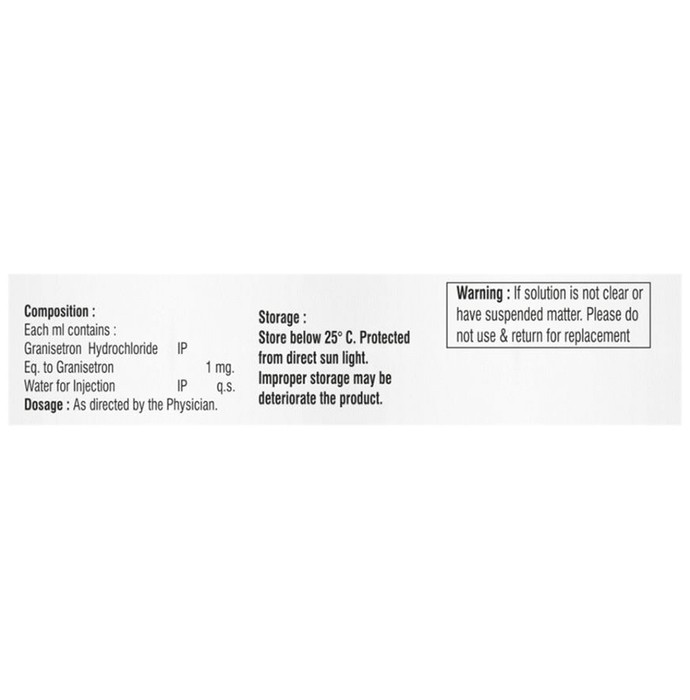
Salt Composition
Granisetron (1mg)
Overview Granicrit Injection
Granicrit Injection, an antiemetic medication, effectively manages nausea and vomiting stemming from surgery, chemotherapy, or radiation therapy. However, it doesn't alleviate other cancer treatment side effects. Administered by a healthcare provider, the injection's frequency should follow the physician's instructions; continued use is crucial until medically discontinued. Subsequent treatment might involve oral medication. Common side effects, such as injection site discomfort, headache, bowel irregularities (constipation or diarrhea), and fatigue, usually subside upon cessation of treatment. Persistent or bothersome symptoms should be reported to your doctor, who can offer mitigating strategies. Prior to treatment, disclose any pre-existing cardiac or hepatic conditions, gastrointestinal obstructions, and all current medications, particularly those for epilepsy, heart disease, cancer, or depression, as interactions are possible. Pregnant or breastfeeding individuals should consult their healthcare team before use.
Primary Ingredients of Granicrit Injection
No text provided to rephrase.
Uses of Granicrit Injection
Chemotherapy-induced emesis.
Major Benefits of Granicrit Injection:
This medication will be administered by your healthcare provider; self-medication is strictly prohibited.
Common Side effects of Granicrit Injection:
- Injection site pain
- Constipation
- Diarrhea
- Headache
- Weakness
- Insomnia (difficulty in sleeping)
How to use Granicrit Injection:
This medication will be administered by your physician or registered nurse; self-medication is strictly prohibited.
How Granicrit Injection works:
Granicrit Injection combats nausea and vomiting. This antiemetic medication functions by inhibiting serotonin, a neurotransmitter in the brain that triggers these side effects, often experienced during chemotherapy or post-surgery.
SAFETY ADVICE
 AlcoholCONSULT YOUR DOCTOR
Alcohol consumption alongside Granicrit Injection lacks established safety data. Physician consultation is advised.
 PregnancySAFE IF PRESCRIBED
The use of Granicrit Injection during pregnancy is typically deemed safe. Preclinical trials in animals revealed minimal or no harm to the fetus; nevertheless, data from human trials are scarce.
 Breast feedingSAFE IF PRESCRIBED
The use of Granicrit Injection while breastfeeding is likely safe. Available human data indicates minimal risk to the infant.
 DrivingSAFE
Driving ability is typically unaffected by Granicrit Injection.
 KidneySAFE IF PRESCRIBED
Granicrit Injection appears safe for individuals with kidney impairment. Existing evidence indicates dose modification may be unnecessary, but physician consultation is recommended.
 LiverSAFE IF PRESCRIBED
The use of Granicrit Injection in patients with liver impairment appears to pose minimal risk. Current evidence indicates dose modification may be unnecessary, but physician consultation is recommended.
What if you forget to take Granicrit Injection :
Should you forget a Granicrit Injection, administer it immediately. Nevertheless, if your next scheduled dose is imminent, omit the missed dose and resume your usual dosing regimen. Avoid taking a double dose.
Facts to Know About Granicrit Injection
| Label | Value |
|---|---|
| Chemical Type | Indazole-based compound |
| Developing Habits | No. |
| Treatment Category | Gastrointestinal System |
| Behavioral Class | 5-HT3 receptor blockers |
 3,018 People bought this recently