Search Icon

AUM Pharmacy

Hi there!

Hello, Login
All Categories
VisaVisaVisa
slide-0
slide-1
slide-2
slide-3
slide-4
slide-5

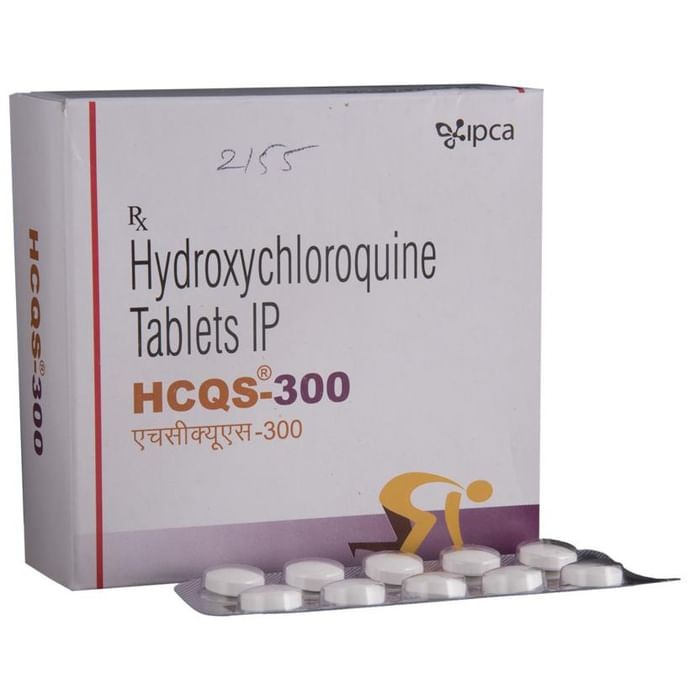
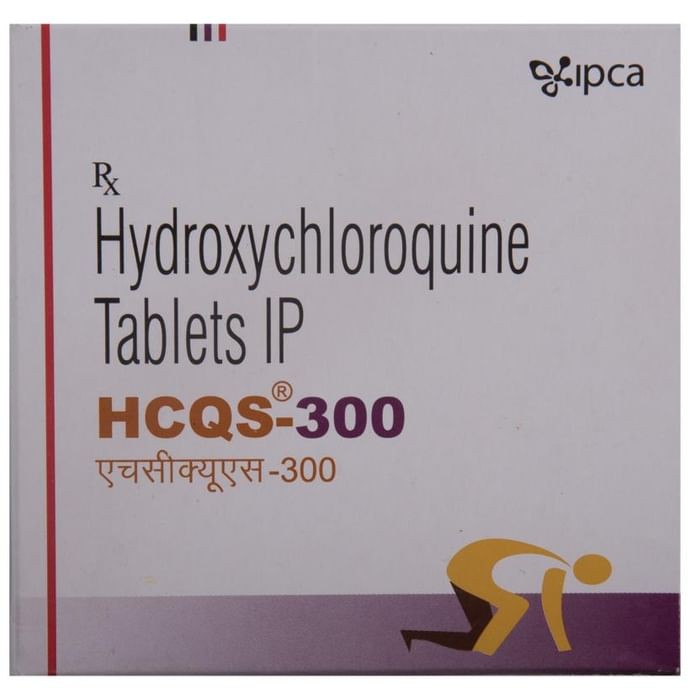
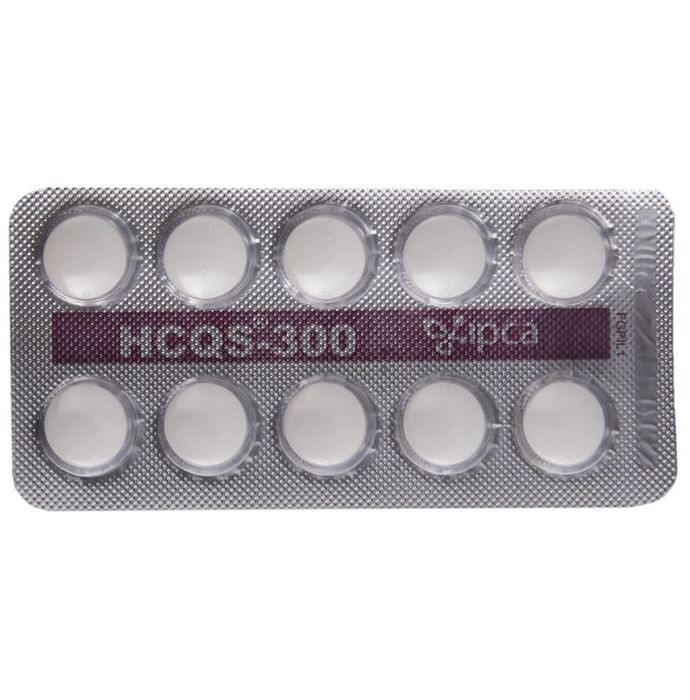
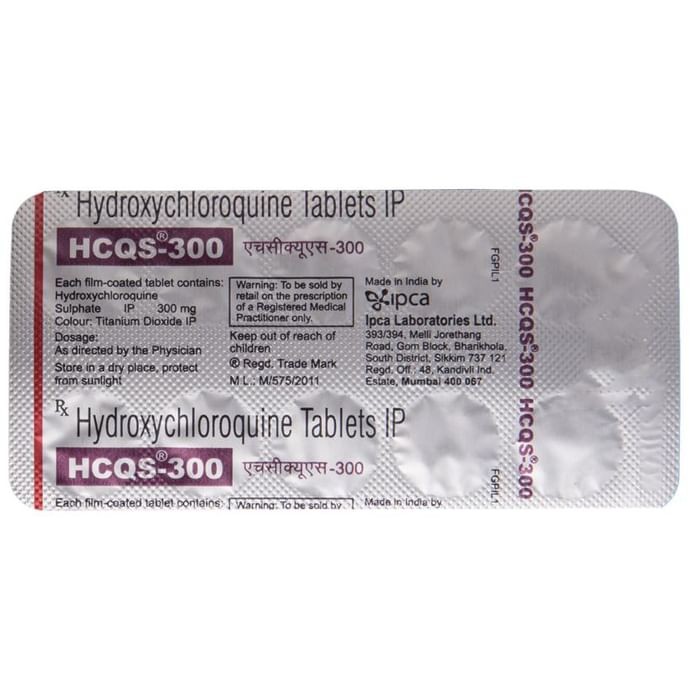
HCQS 300 Tablet

Prescription Icon
Prescription Required

Marketer

Ipca Laboratories Ltd

Salt Composition

Hydroxychloroquine (300mg)

Overview HCQS 300 Tablet

Hydroxychloroquine 300mg tablets are indicated for managing autoimmune disorders like rheumatoid arthritis and lupus, mitigating disease advancement and alleviating associated pain, inflammation, and erythema. It also enhances glycemic management in patients with type 2 diabetes. Administer this medication with food to minimize gastrointestinal discomfort. Consistent daily dosing at the same time maximizes therapeutic efficacy. Continue treatment as prescribed, completing the full course even with symptom improvement. Common adverse reactions include nausea, emesis, diarrhea, and abdominal distress. Persistent or worsening side effects necessitate medical consultation; management strategies may be available to mitigate these symptoms. Prior to commencing therapy, disclose any pre-existing cardiac, renal, or hepatic issues, along with a complete medication list, to ensure treatment suitability. This medication is contraindicated in patients with retinal or visual field abnormalities, and prolonged use in pediatric populations. Regular ophthalmologic examinations may be recommended during treatment. Pregnant or lactating individuals should seek medical counsel before initiating hydroxychloroquine therapy.

Uses of HCQS 300 Tablet

Management of type 2 diabetes | Rheumatoid arthritis therapy | Systemic lupus erythematosus (SLE) management

Major Benefits of HCQS 300 Tablet:

Consume this medication precisely as prescribed by your physician, adhering to both the dosage and treatment schedule. Ingest the tablet whole; avoid chewing, crushing, or fracturing it. The HCQS 300 Tablet should be administered with food.

Common Side effects of HCQS 300 Tablet:

  • Skin rash
  • Itching
  • Affect lability
  • Abdominal pain
  • Blurred vision
  • Headache
  • Decreased appetite
  • Diarrhea
  • Vomiting
  • Nausea

How to use HCQS 300 Tablet:

Consume this medication precisely as prescribed by your physician, adhering to both the dosage and treatment period. Ingest the tablet whole; avoid chewing, crushing, or fracturing it. The HCQS 300 Tablet should be administered with food.

How HCQS 300 Tablet works:

Hydroxychloroquine 300 mg tablets are classified as disease-modifying antirheumatic drugs (DMARDs). Their mechanism of action involves dampening the immune system's hyperactivity, which underlies the joint inflammation and pain characteristic of rheumatoid arthritis. This, in turn, mitigates disease advancement. Furthermore, evidence suggests that hydroxychloroquine may enhance insulin responsiveness and pancreatic beta-cell activity, potentially leading to improved blood sugar management in individuals with type 2 diabetes.

SAFETY ADVICE

AlcoholAlcoholCAUTION

Use of alcohol with HCQS 300 Tablets requires careful consideration. Seek medical advice before combining them.

PregnancyPregnancySAFE IF PRESCRIBED

Hydroxychloroquine 300 mg tablets are considered safe for use during pregnancy. The preponderance of research indicates minimal or negligible risk to the fetus.

Breast feedingBreast feedingSAFE IF PRESCRIBED

Hydroxychloroquine 300 mg tablets are considered safe for breastfeeding mothers. Research in humans indicates minimal drug transfer to breast milk, posing no known risk to the infant.

DrivingDrivingUNSAFE

Hydroxychloroquine 300mg tablets can induce adverse reactions that might impair driving capabilities. Visual disturbances are a potential side effect of this medication, potentially impacting driving ability.

KidneyKidneyCAUTION

Hydroxychloroquine 300 mg tablets require careful administration for individuals with impaired renal function. Dosage modification may be necessary. Physician consultation is advised. This medication has potential ocular effects; routine ophthalmological examinations are recommended during treatment.

LiverLiverCAUTION

Hydroxychloroquine 300 mg tablets require careful administration in individuals with hepatic impairment. Dosage modification for hydroxychloroquine 300 mg tablets may be necessary. Physician consultation is recommended.

What if you forget to take HCQS 300 Tablet :

Should you forget to take your HCQS 300 Tablet, ingest it immediately upon remembrance. Nevertheless, if your next scheduled dose is imminent, omit the missed dose and resume your usual dosing regimen. Avoid taking a double dose.

Facts to Know About HCQS 300 Tablet

LabelValue
Chemical Type 4-Aminoquinoline Analog
Developing Habits No.
Type of Therapy Pain Relievers

FAQs on HCQS 300 Tablet

Clinical trials are evaluating HCQS 300 Tablet for both preventing and treating COVID-19. Laboratory studies show some antiviral activity, but more research is needed to confirm its effectiveness against the novel coronavirus.
India's ICMR-formed COVID-19 task force advises using HCQS 300mg tablets for coronavirus prevention only in high-risk groups (e.g., those with high exposure) or emergencies. This prophylactic use applies to asymptomatic healthcare workers treating suspected or confirmed cases, and asymptomatic household contacts of confirmed cases.
We don't stock HCQS 300 Tablets. If you suspect a coronavirus infection, see a doctor immediately and follow their instructions. Do not self-medicate with HCQS 300 Tablets; it should only be taken with a doctor's prescription.
Hydroxychloroquine 300mg tablets are indicated for coronavirus prevention only in specific high-risk populations or emergencies, and must be used precisely as directed by a physician.
HCQS 300mg tablets are for oral administration. Take them with food or milk to minimize stomach upset. Follow your doctor's prescribed dosage and complete the entire course. Consistent use, as directed, is crucial; do not discontinue without consulting your doctor. If you're also using antacids, allow at least four hours between taking them and HCQS 300mg tablets.
If you're taking HCQS 300 tablets and experience COVID-19 symptoms (fever, dry cough, fatigue, breathing difficulties), contact your doctor immediately. They will determine if testing and isolation are necessary. Follow your doctor's instructions carefully.
Hydroxychloroquine's effects on rheumatoid arthritis and other autoimmune diseases may not be noticeable for several weeks or even months. Consistent medication use is crucial; your doctor might provide additional short-term symptom relief while you wait for HCQS to take full effect.
While rare, high doses or long-term use (over 5 years) of HCQS can impair vision. Symptoms may include difficulty reading or seeing (missing words, letters, or parts of objects), light sensitivity, blurred distance vision, and flashes or streaks of light. Report any such symptoms to your doctor immediately for evaluation and potential discontinuation of HCQS 300 Tablet. Regular eye exams may also be recommended with ongoing HCQS prescription.
Before starting HCQS treatment, and annually thereafter, an eye exam is mandatory. Regular blood count (CBC) and liver function (LFT) tests may also be recommended. Treatment may be stopped if any abnormalities are found.
HCQS 300 Tablet, an antimalarial drug, possesses anti-inflammatory and immunomodulatory effects. It's neither a steroid, opioid, nor analgesic. In malaria, it eliminates the causative parasite; in rheumatoid arthritis, it alleviates joint inflammation.
Ibuprofen and HCQS can be taken together; they don't interact significantly.
Discontinuing HCQS without your doctor's advice could worsen your condition. Do not discontinue HCQS without consulting your doctor, even if symptoms improve.
Using hydroxychloroquine (HCQS) with diabetes requires caution. HCQS can significantly lower blood sugar, potentially causing severe hypoglycemia and loss of consciousness. Monitor your blood sugar closely; if it drops, contact your doctor immediately. They may adjust your diabetes medication accordingly.
Yes, you can take HCQS, but ensure at least a four-hour interval between it and any antacids. Otherwise, the antacid might hinder HCQS absorption and effectiveness, reducing its benefits.
Clinical trials are evaluating HCQS 300 Tablet for both preventing and treating COVID-19. Laboratory studies show some antiviral activity, but more research is needed to confirm its effectiveness against the novel coronavirus.
India's ICMR-formed COVID-19 task force recommends HCQS 300mg tablets solely for preventing coronavirus infection in specific high-risk groups—individuals with high exposure risk or during emergencies. Prophylactic use is suggested for asymptomatic healthcare workers treating suspected or confirmed COVID-19 cases, and asymptomatic household contacts of confirmed cases.
We don't stock HCQS 300 Tablets. If you think you have COVID-19, see a doctor immediately and follow their instructions. Never self-medicate with HCQS 300 Tablets; it should only be taken under a doctor's prescription.
Hydroxychloroquine 300mg tablets are indicated for coronavirus prevention only in specific high-risk populations or emergencies, and must be used precisely as directed by a physician.
HCQS 300mg tablets are for oral administration. Take with food or milk to minimize stomach upset. Follow your doctor's prescribed dosage and complete the entire course. Consistent use, as directed, is important; do not discontinue without consulting your physician. If you also use antacids, allow at least four hours between taking HCQS 300mg and these medications.
If you're taking HCQS 300 Tablet and experience COVID-19 symptoms (fever, dry cough, fatigue, breathing difficulties), contact your doctor immediately. They'll determine if testing and isolation are necessary. Follow your doctor's instructions carefully.
Hydroxychloroquine's effectiveness in treating rheumatoid arthritis and other autoimmune diseases may not be immediately apparent; symptom improvement can take several weeks or even months. Consistent medication adherence is crucial. Bridge therapy with additional medications may be provided for interim symptom management.
While rare, high doses or long-term use (over 5 years) of HCQS can impair vision. Symptoms may include difficulty reading or seeing (missing letters, words, or parts of objects), light sensitivity, blurry distance vision, and flashes or streaks of light. Report any such symptoms to your doctor immediately. They may perform eye exams and determine if HCQS discontinuation is necessary. Periodic eye exams may also be recommended for those on long-term HCQS treatment.
Before starting HCQS treatment, and annually thereafter, you'll need an eye exam. Regular blood count (CBC) and liver function (LFT) tests may also be recommended. Treatment may be stopped if any irregularities are found.
HCQS 300 Tablet, an antimalarial drug, possesses anti-inflammatory and immunomodulatory effects. It's neither a steroid, opioid, nor analgesic. In malaria, it eliminates the causative parasite; in rheumatoid arthritis, it alleviates joint inflammation.
Ibuprofen and HCQS can be taken together without significant interaction concerns.
Discontinuing HCQS without your doctor's advice may worsen your condition. Do not discontinue HCQS without consulting your doctor, even if you feel improved.
Using hydroxychloroquine (HCQS) with diabetes requires caution. HCQS can significantly lower blood sugar, potentially causing severe hypoglycemia and loss of consciousness. Monitor your blood glucose closely; if it drops, contact your doctor immediately. They may adjust your diabetes medication dosage accordingly.
Yes, you can take HCQS, but ensure at least a four-hour interval between taking it and any antacids. Otherwise, the antacid could hinder HCQS absorption and effectiveness, reducing its benefits.
HCQS 300 Tablet
167
MRP 203
17% off
