


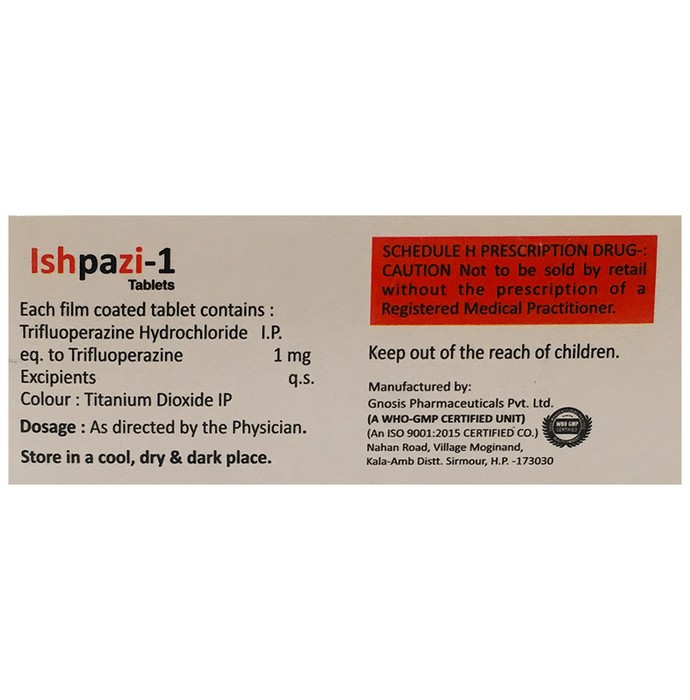
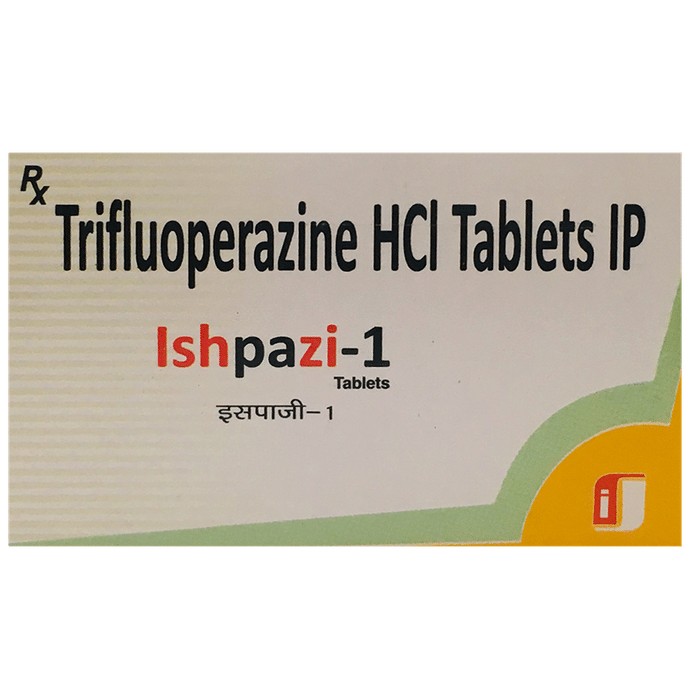
Ishpazi 1mg Tablet

Marketer
Ishjas Pharma Pvt Ltd
Salt Composition
Trifluoperazine (1mg)
Overview Ishpazi 1mg Tablet
One milligram tablets of Ishpazi are indicated for schizophrenia management. They may also provide short-term anxiety relief when other treatments prove ineffective. This medication modifies thought patterns, improves mood, and enhances cognitive, emotional, and behavioral functioning. Administer Ishpazi 1mg tablets with food, ideally at the same time daily, ensuring consistent blood levels. Follow your physician's prescribed dosage and duration; if a dose is missed, take it immediately upon recollection. Complete the entire course of treatment, even if feeling improved; never discontinue use abruptly without consulting your doctor, as this can exacerbate symptoms. Common side effects include xerostomia, abnormal involuntary movements, urinary retention, constipation, and muscle stiffness. Initially, postural hypotension may occur; rise slowly from sitting or lying positions. Dizziness and somnolence are also possible; avoid driving or activities demanding concentration until the medication's effects are understood. Prior to starting treatment, disclose any pre-existing thyroid, kidney, epilepsy, Parkinson's disease, glaucoma, or cardiac conditions. Avoid concurrent use with alcohol or sedatives, cough suppressants, and/or antihistamines. Weight gain is a potential side effect; maintain a balanced diet, limit high-calorie snacks, and incorporate regular physical activity.
Uses of Ishpazi 1mg Tablet
Managing schizophrenia and brief anxiety episodes
Major Benefits of Ishpazi 1mg Tablet:
Consume this medication precisely as directed by your physician, adhering to both the prescribed dosage and duration. Ingest the tablet whole; avoid chewing, crushing, or fracturing it. It's recommended to take Ishpazi 1mg Tablet with food.
Common Side effects of Ishpazi 1mg Tablet:
- Orthostatic hypotension (sudden lowering of blood pressure on standing)
- Sleepiness
- Dryness in mouth
- Abnormality of voluntary movements
- Weight gain
- Increased prolactin level in blood
- Urinary retention
- Constipation
- Muscle stiffness
- Tremors
How to use Ishpazi 1mg Tablet:
Consume this medication precisely as prescribed by your physician, adhering to the specified dosage and treatment period. Ingest the tablet whole; avoid chewing, crushing, or fracturing it. The Ishpazi 1mg Tablet should be administered with a meal.
How Ishpazi 1mg Tablet works:
One milligram Ishpazi tablets are a standard antipsychotic medication. Their mechanism involves dopamine receptor antagonism, thereby modulating this neurotransmitter's influence on cognitive function and emotional state.
SAFETY ADVICE
 AlcoholUNSAFE
Concomitant use of Ishpazi 1mg Tablet and alcohol may result in significant sedation.
 PregnancyCONSULT YOUR DOCTOR
The use of Ishpazi 1mg Tablet during pregnancy may pose risks. While human research is scant, animal studies indicate potential harm to the fetus. A physician will assess the advantages against possible dangers prior to prescription. Seek medical advice.
 Breast feedingCONSULT YOUR DOCTOR
The use of Ishpazi 1mg Tablet while breastfeeding is likely inadvisable. Studies in humans indicate a potential for the medication to transfer to breast milk, posing a risk to the infant.
 DrivingUNSAFE
Driving ability may be impaired by Ishpazi 1mg Tablet side effects. These side effects can include dizziness, drowsiness, or blurred vision, potentially impacting safe driving.
 KidneyCONSULT YOUR DOCTOR
Insufficient data exists regarding Ishpazi 1mg Tablet's use in individuals with renal impairment. Seek medical advice from your physician.
 LiverCONSULT YOUR DOCTOR
Data on Ishpazi 1mg Tablet use in patients with liver impairment is scarce. Medical advice is recommended. Based on current evidence, Ishpazi 1mg Tablet is deemed unsafe for individuals with liver disease.
What if you forget to take Ishpazi 1mg Tablet :
NA
Facts to Know About Ishpazi 1mg Tablet
| Label | Value |
|---|---|
| Chemical Type | Phenothiazine-based compound |
| Developing Habits | No. |
| Type of Therapy | Neuroscience of the Central Nervous System |
| Actions | Conventional Antipsychotics |
 3,018 People bought this recently