


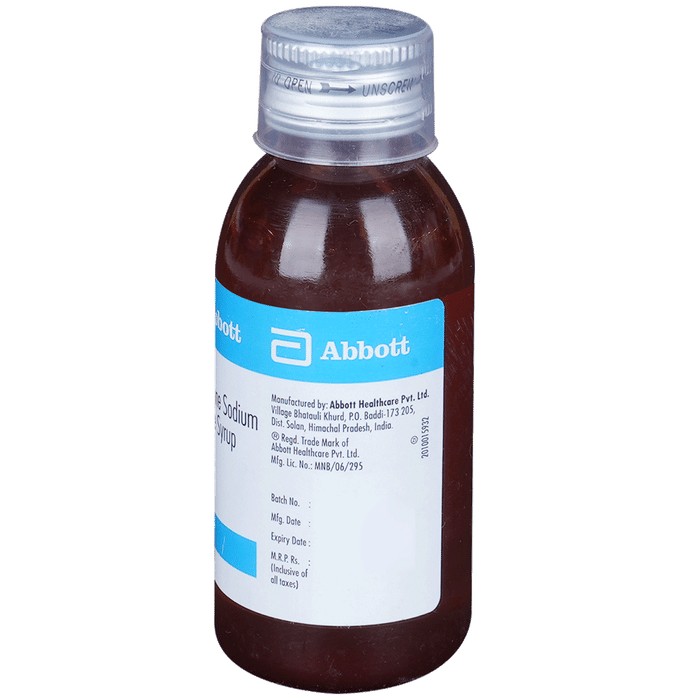
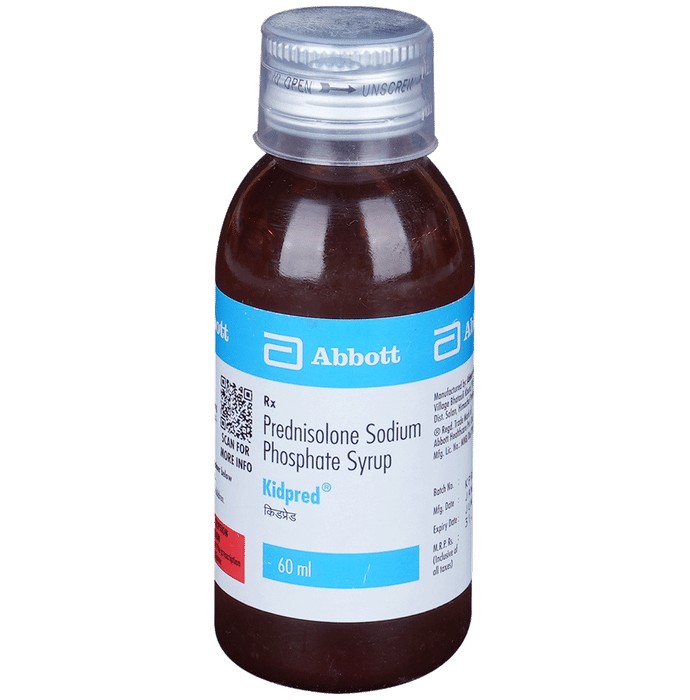
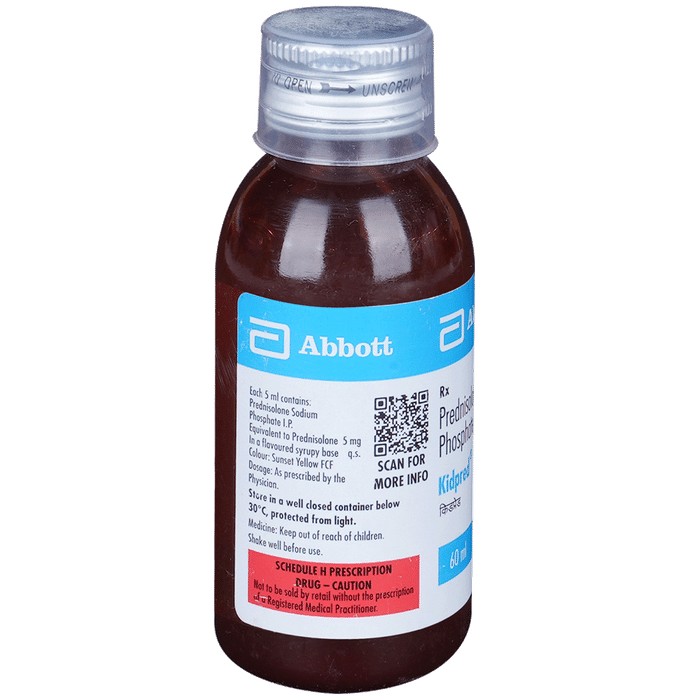
Kidpred Syrup

Marketer
Abbott
Salt Composition
Prednisolone (5mg/5ml)
Overview Kidpred Syrup
Prednisolone syrup, a corticosteroid medication, effectively manages various pediatric conditions. These include allergic reactions, inflammatory diseases, autoimmune disorders, hormonal imbalances, and certain childhood cancers. It's also a key treatment following organ transplantation and for pediatric nephrotic syndrome. Administer this syrup with food, typically once daily, ideally after breakfast. Dosage is individualized based on your child's health, weight, age, and response to treatment. Strictly adhere to the prescribed duration; prolonged use increases side effect risk. Avoid abrupt cessation; gradual tapering is essential to prevent withdrawal symptoms like nausea, dizziness, and dehydration. If vomiting occurs within 30 minutes, allow your child to rest before re-administering the dose. Common side effects, such as increased appetite, weight gain, elevated blood pressure, and mood alterations, often subside after treatment. Persistent or bothersome side effects warrant immediate medical attention. This medication can weaken the immune system; report any signs of infection, like fever or throat pain, to your doctor. Always consult a physician before using this medication. Complete disclosure of your child's medical history, including allergies, cardiac issues, liver or kidney problems, is crucial for safe and effective treatment planning.
Uses of Kidpred Syrup
Managing inflammatory diseases, autoimmune disorders, and severe or mild allergic reactions. Also indicated for rheumatic conditions, dermatological issues, ophthalmological problems, and nephrotic syndrome.
Major Benefits of Kidpred Syrup:
Administer this medication precisely as your physician directs, adhering to both the prescribed dosage and timeframe. Always consult the product label for instructions prior to ingestion. Use a measuring cup for accurate dispensing and consume orally. Ensure thorough shaking before each use. Kidpred Syrup should be taken with meals.
Common Side effects of Kidpred Syrup:
- Irritability
- Easy bruise
- Growth retardation
- Upper respiratory tract infection
- Cough
- Frequent urge to urinate
- Abnormal hair growth
- Obesity
- Reduction in bone density
- Upset stomach
- Behavioral changes
- Mood changes
- Weight gain
How to use Kidpred Syrup:
Administer this medication precisely as prescribed by your physician, adhering to the specified dosage and treatment period. Consult the product label for detailed instructions prior to consumption. Use a measuring device for accurate oral administration. Ensure thorough shaking before each dose. Kidpred Syrup should be ingested with a meal.
How Kidpred Syrup works:
Kidpred Syrup, a corticosteroid medication, reduces the production of inflammatory mediators such as prostaglandins, leukotrienes, and interleukins, thereby mitigating allergic responses and inflammation. Furthermore, it modulates immune system activity, preventing autoimmune reactions and self-harm.
SAFETY ADVICE
 KidneyCAUTION
Kidpred Syrup requires careful administration for individuals with significant kidney impairment; dosage modification may be necessary. Physician consultation is advised. For any uncertainty regarding administration to children, seek pediatric medical advice.
 LiverCAUTION
Kidpred Syrup requires careful administration in individuals with advanced liver impairment. Dosage modification of Kidpred Syrup might be necessary. Physician consultation is advised. Seek your pediatrician's guidance for any uncertainties prior to administering this medication to your child.
What if you forget to take Kidpred Syrup :
Remain calm. Unless otherwise directed by your child's physician, administer the omitted dose immediately upon recollection. However, if the next scheduled dose is imminent, forgo the missed dose. Avoid doubling the dose to compensate, and adhere to the recommended medication schedule.
Facts to Know About Kidpred Syrup
| Label | Value |
|---|---|
| Type of Compound | Corticosteroids |
| Addictive | None. |
| Medication Classification | Eye and Ear Medications |
| Mechanism of Action | Corticosteroids |
 3,018 People bought this recently