


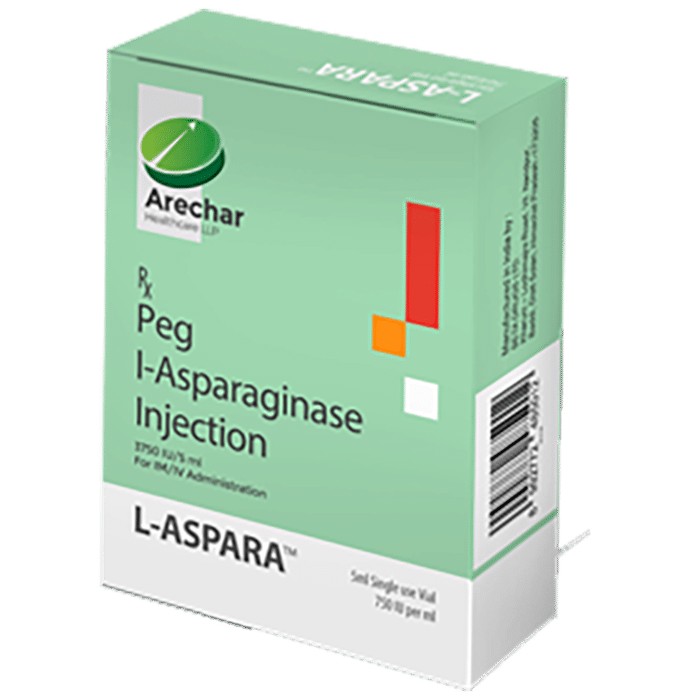
L-Aspara Injection

Marketer
Arechar Healthcare
Salt Composition
Asparaginase (3750IU)
Overview L-Aspara Injection
L-Asparaginase injection treats certain leukemias (cancers of white blood cells) and may be prescribed for other cancers at your doctor's discretion. Administration involves intravenous injection, ideally at the same time daily for optimal efficacy. Dosage and frequency are determined by your doctor based on your specific condition and may be adjusted. Strictly adhere to your doctor's instructions; improper use or overdose can lead to severe adverse reactions. Therapeutic benefits may not be immediately apparent, potentially taking weeks or months; discontinue only under medical supervision. Common side effects include shortness of breath, skin rash, vomiting, angioedema (deep skin swelling), and nausea. Elevated blood glucose levels are possible, necessitating regular blood tests to monitor blood sugar, treatment response, and side effects. Increased fluid intake is recommended to promote urination, safeguarding kidney function. This medication may weaken the immune system, increasing infection risk (potentially life-threatening), so effective contraception is crucial during treatment. Disclose pregnancy, pregnancy intentions, or breastfeeding to your physician prior to commencing treatment.
Primary Ingredients of L-Aspara Injection
The provided text is "undefined," therefore no rephrasing is possible.
Uses of L-Aspara Injection
Acute leukemia of the lymphocytic type
Major Benefits of L-Aspara Injection:
This medication will be administered by your healthcare provider; self-medication is strictly prohibited.
Common Side effects of L-Aspara Injection:
- Breathlessness
- Rash
- Vomiting
- Angioedema (swelling of deeper layers of skin)
- Edema (swelling)
- Nausea
- Fatigue
- Increased liver enzymes
- Diarrhea
- Decreased blood pressure
- Flushing (sense of warmth in the face, ears, neck and trunk)
- Low albumin level in blood
- Increased glucose level in blood
- Hives
How to use L-Aspara Injection:
This medication will be administered by your healthcare provider. Self-medication is strictly prohibited.
How L-Aspara Injection works:
Asparaginase, an antineoplastic enzyme, disrupts the metabolic pathways crucial for cancer cell proliferation, thus inhibiting or eliminating cancerous growth.
SAFETY ADVICE
 AlcoholCONSULT YOUR DOCTOR
Alcohol consumption alongside L-Aspara Injection may be unsafe; seek medical advice before combining them.
 PregnancyCONSULT YOUR DOCTOR
The use of L-Aspara Injection during pregnancy may pose risks. While human research is scant, animal studies indicate potential harm to the fetus. A physician will assess the potential benefits against any risks prior to prescription. Seek medical advice.
 Breast feedingCONSULT YOUR DOCTOR
Administration of L-Aspara Injection while breastfeeding is likely inadvisable. Preliminary human studies indicate potential transfer of the medication into breast milk, posing a possible risk to the infant.
 DrivingSAFE
Driving ability is typically unaffected by L-Aspara Injection.
 KidneySAFE IF PRESCRIBED
The use of L-Aspara Injection in patients with kidney disease appears to pose minimal risk. Existing evidence indicates dose modification may be unnecessary; however, physician consultation is advised.
 LiverCONSULT YOUR DOCTOR
Insufficient data exists regarding L-Aspara Injection's use in individuals with hepatic impairment. Physician consultation is recommended. Routine monitoring of liver function is advisable during treatment.
What if you forget to take L-Aspara Injection :
NA
Facts to Know About L-Aspara Injection
| Label | Value |
|---|---|
| Chemical Type | Enzyme |
| Developing Habits | No. |
| Treatment Category | Cancer Medications |
| Actions | Other anticancer agents |
 3,018 People bought this recently