


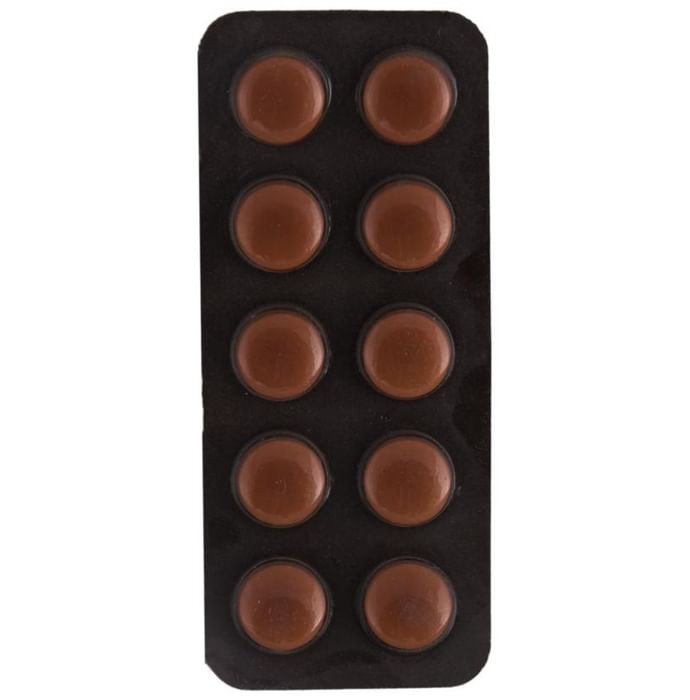
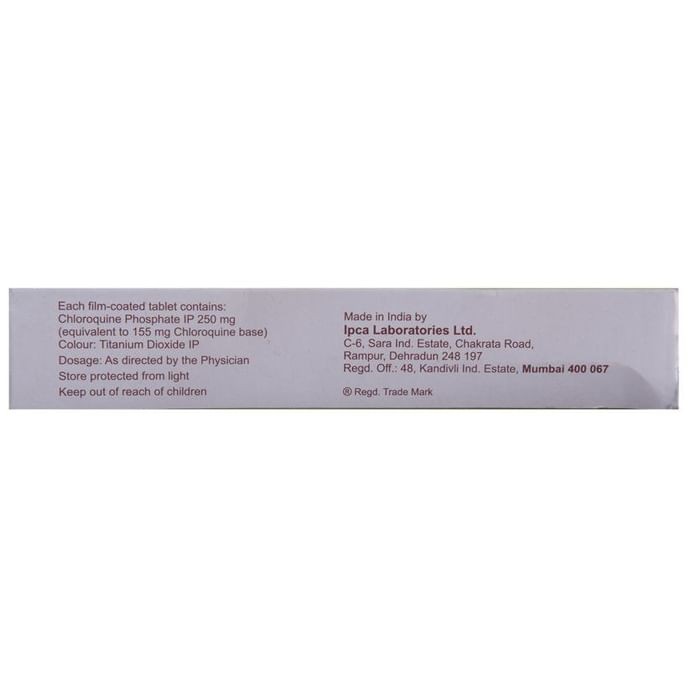
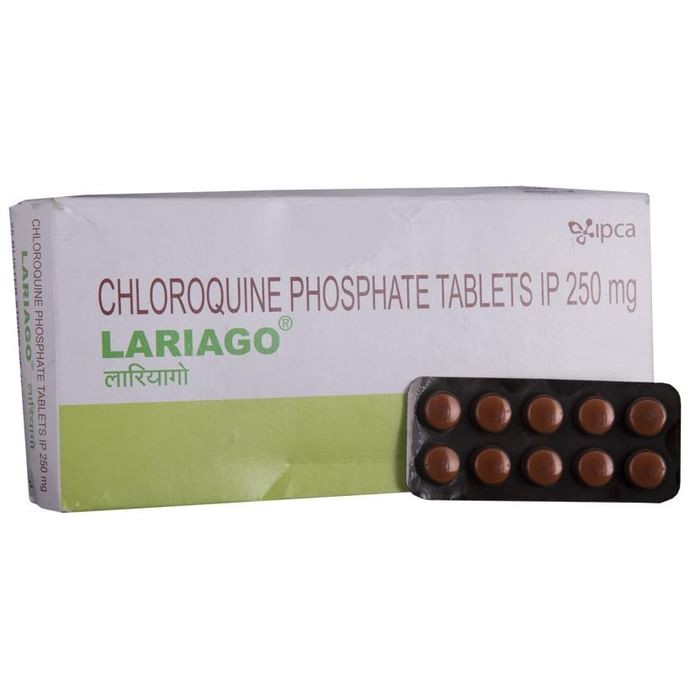
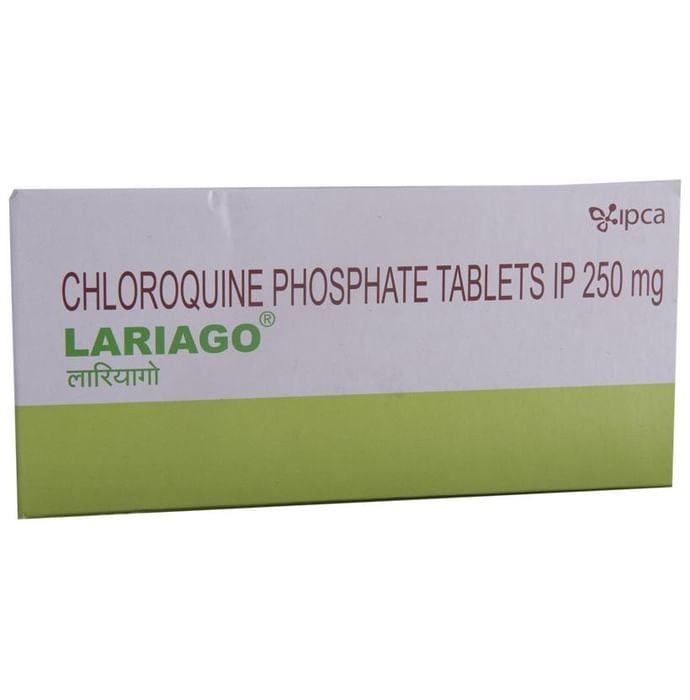
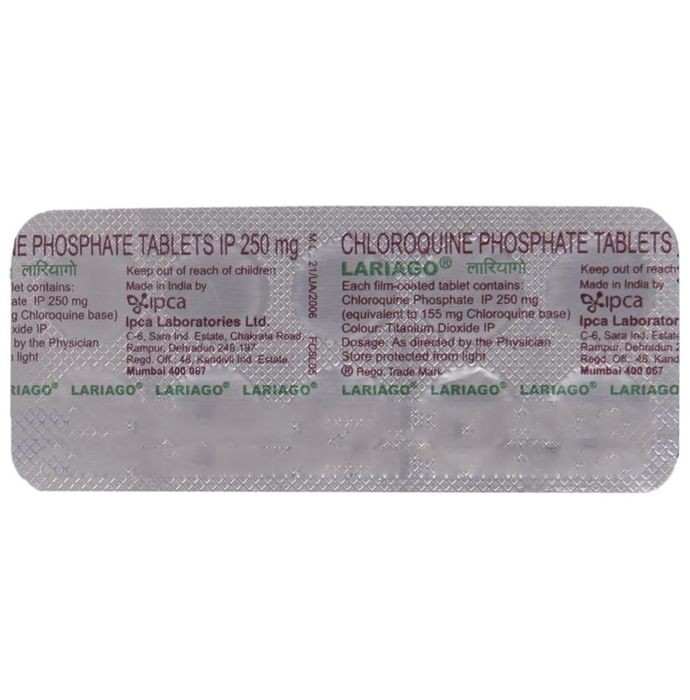
Lariago 250mg Tablet

Marketer
Ipca Laboratories Ltd
Salt Composition
Chloroquine (250mg)
Overview Lariago 250mg Tablet
Malarex 250mg tablets combat malaria parasites, preventing and treating the infection. Its mechanism involves eliminating the malaria-causing organism, halting infection spread. Dosage and duration should strictly follow your physician's instructions. Administer with food to mitigate potential stomach discomfort. Complete the prescribed course; premature cessation may lead to treatment failure and heightened side effects. Avoid doubling doses; simply resume the regular schedule after a missed dose. Employ mosquito avoidance strategies: apply insect repellent to exposed skin, spray repellents indoors, and wear light-colored, protective clothing after dusk. Potential side effects include skin rash, headache, vertigo, vomiting, abdominal pain, diarrhea, anorexia, and nausea. Persistent symptoms warrant medical consultation. Diabetics should report their condition as Malarex may induce hypoglycemia; regular blood sugar monitoring is crucial. Blurred vision is possible, necessitating regular eye exams during treatment. Long-term use may necessitate regular blood cell count monitoring. Report unexplained bruising, bleeding, pharyngitis, fever, or fatigue to your doctor immediately.
Uses of Lariago 250mg Tablet
Managing Malaria Infections
Major Benefits of Lariago 250mg Tablet:
Consume this medication precisely as directed by your physician, adhering to the prescribed dosage and timeframe. Ingest the tablet whole; avoid chewing, crushing, or fracturing it. Administer Lariago 250mg Tablet with a meal.
Common Side effects of Lariago 250mg Tablet:
- Rash
- Headache
- Dizziness
- Vomiting
- Nausea
- Stomach pain
- Loss of appetite
- Diarrhea
How to use Lariago 250mg Tablet:
Consume this medication precisely as your physician directs, adhering to both the prescribed dosage and treatment length. Ingest the 250mg Lariago Tablet whole; avoid chewing, crushing, or fracturing it. Administer this medication with food.
How Lariago 250mg Tablet works:
Malaria is effectively combated by Lariago 250mg Tablets, an antiparasitic drug. Its mechanism involves elevating blood heme concentrations, a compound lethal to the malaria parasite, thus eliminating the infection and preventing its further progression.
SAFETY ADVICE
 AlcoholCONSULT YOUR DOCTOR
Alcohol consumption alongside Lariago 250mg Tablet may pose unknown risks. Seek medical advice before combining them.
 PregnancyCONSULT YOUR DOCTOR
Use of Lariago 250mg tablets during pregnancy may pose risks. While human research is scarce, animal studies indicate potential harm to the unborn child. A physician will assess the advantages against possible dangers prior to prescribing. Seek medical advice.
 Breast feedingSAFE IF PRESCRIBED
Use of Lariago 250mg tablets while breastfeeding is considered safe. Research in humans indicates minimal drug transfer into breast milk, posing no discernible risk to the infant.
 DrivingUNSAFE
Driving may be impaired by side effects of Lariago 250mg Tablet. These side effects can include blurred vision or difficulty focusing, both of which can negatively impact driving ability.
 KidneyCAUTION
For individuals with kidney impairment, the use of Lariago 250mg tablets requires careful monitoring. Dosage modification of Lariago 250mg tablets may be necessary. Physician consultation is advised.
 LiverCAUTION
Patients with hepatic impairment should use Lariago 250mg tablets cautiously, potentially requiring dosage modification. Physician consultation is recommended. Routine liver function monitoring during treatment is advisable.
What if you forget to take Lariago 250mg Tablet :
Should you forget to take a Lariago 250mg Tablet, administer it immediately. Nevertheless, if your next scheduled dose is imminent, omit the missed dose and resume your usual dosing regimen. Avoid taking a double dose.
Facts to Know About Lariago 250mg Tablet
| Label | Value |
|---|---|
| Chemical Classification | Aminoquinoline derivative (4-substituted) |
| Developing Habits | No. |
| Treatment Category | Ophthalmology |
| Active Class | Aminoquinoline antimalarials |
 3,018 People bought this recently