


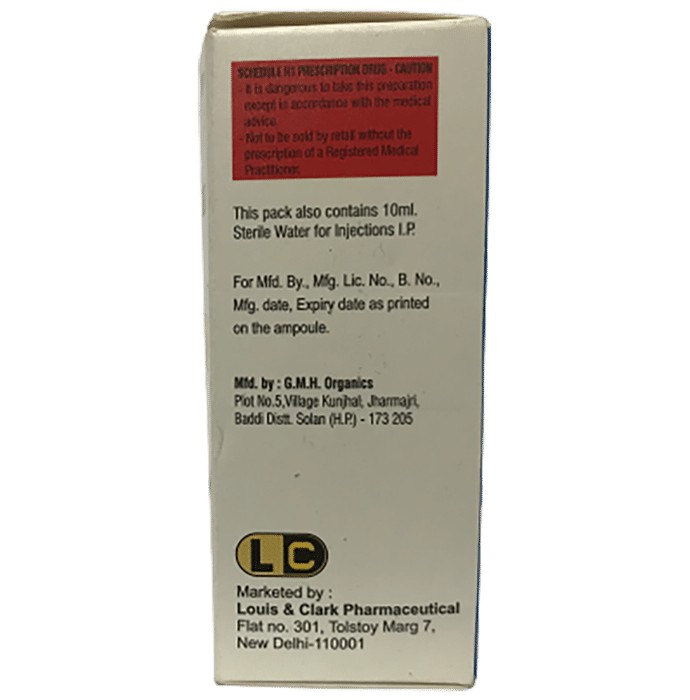
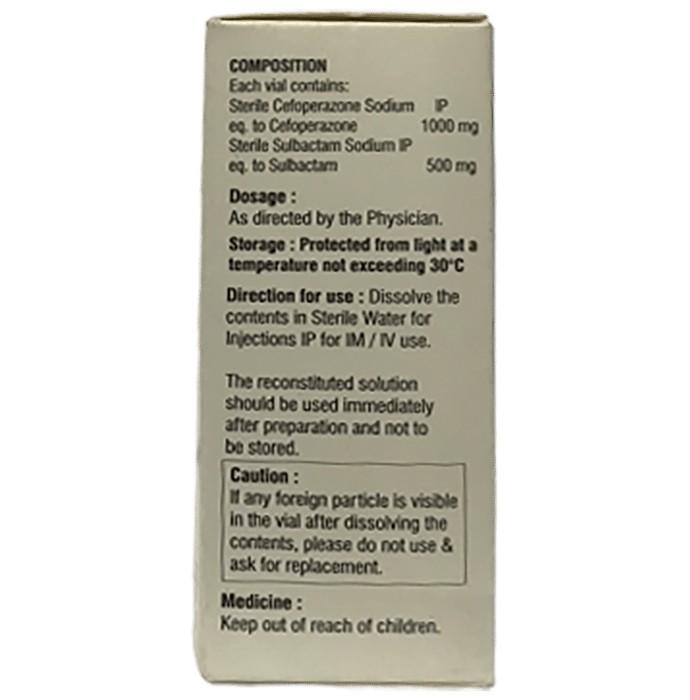
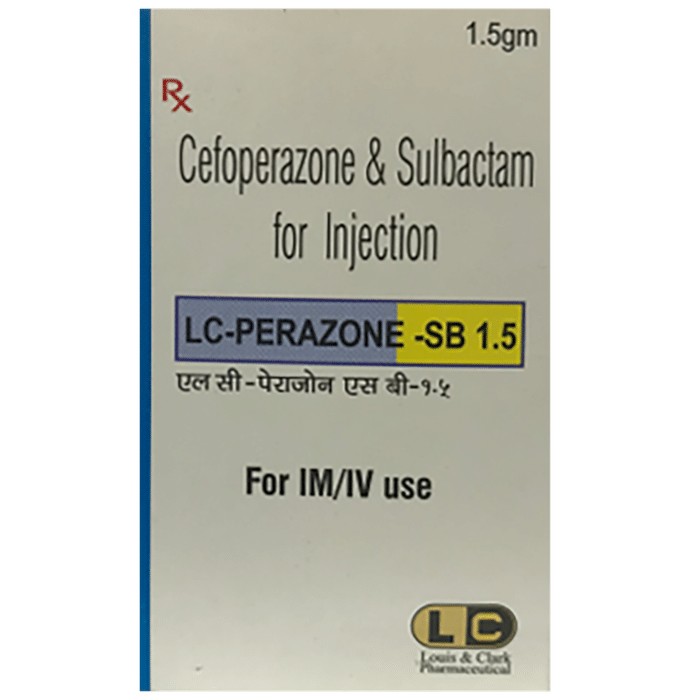
LC-Perazone-SB 1.5 Injection

Marketer
Louis and Clark Pharmaceutical
Salt Composition
Cefoperazone (1000mg) + Sulbactam (500mg)
Overview LC-Perazone-SB 1.5 Injection
Perazone-SB 1.5 Injection (LC formulation) is a dual-action antibiotic, indicated for a broad spectrum of bacterial infections. Its mechanism combats microbial proliferation, thus limiting infection spread. Administration must be strictly under medical guidance. Consistent adherence to the prescribed dosage schedule is crucial; prematurely ending treatment compromises its effectiveness. Typical mild side effects include nausea, vomiting, diarrhea, and dyspepsia. Severe or worsening side effects necessitate immediate medical attention. Allergic reactions (e.g., rash, pruritus, edema, dyspnea) require prompt emergency care. Prior to commencing treatment, inform your physician of all current medications and pre-existing conditions. This includes disclosure for pregnant or lactating individuals. Alcohol consumption should be avoided due to potential additive drowsiness. While generally non-impairing to driving ability, refrain from driving if drowsiness or dizziness occurs. Adequate rest, balanced nutrition, and sufficient hydration are recommended for optimal recovery. Monitoring may involve periodic laboratory tests to assess therapeutic response.
Uses of LC-Perazone-SB 1.5 Injection
Managing bacterial illnesses
Major Benefits of LC-Perazone-SB 1.5 Injection:
This medication will be administered by your healthcare provider; self-medication is strictly prohibited.
Common Side effects of LC-Perazone-SB 1.5 Injection:
- Decreased white blood cell count (neutrophils)
- Decreased white blood cell count (lymphocytes)
- Decreased hemoglobin
- Decreased hematocrit level
- Low blood platelets
- Coagulation disorder
- Increased white blood cell count (eosinophils)
- Diarrhea
- Nausea
- Increased alanine aminotransferase
- Increased aspartate aminotransferase
- Increased alkaline phosphatase level in blood
- Vomiting
- Increased bilirubin in the blood
How to use LC-Perazone-SB 1.5 Injection:
Administering this medication will be handled by your healthcare provider; self-medication is strictly prohibited.
How LC-Perazone-SB 1.5 Injection works:
LC-Perazone-SB 1.5 Injection merges Cefoperazone, a bacterial growth inhibitor, with Sulbactam, a beta-lactamase inhibitor. Cefoperazone's mechanism involves disrupting bacterial cell wall synthesis, a crucial process for bacterial viability. Sulbactam counters bacterial resistance mechanisms, thereby optimizing Cefoperazone's antimicrobial effect.
SAFETY ADVICE
 AlcoholUNSAFE
Ingestion of alcohol during LC-Perazone-SB 1.5 Injection therapy can lead to adverse effects including facial flushing, tachycardia, nausea, thirst, chest discomfort, and hypotension (a disulfiram-like reaction).
 PregnancySAFE IF PRESCRIBED
The injectable formulation LC-Perazone-SB 1.5 is generally regarded as having a favorable safety profile during gestation. Preclinical trials in animals revealed minimal or absent harm to the fetus; however, data from human trials are currently scarce.
 Breast feedingSAFE IF PRESCRIBED
The injectable medication LC-Perazone-SB 1.5 is considered safe for breastfeeding mothers. Research in humans indicates minimal drug transfer to breast milk, posing no known risk to the infant.
 DrivingCONSULT YOUR DOCTOR
The effect of LC-Perazone-SB 1.5 Injection on driving ability is undetermined. Refrain from driving if you exhibit any symptoms impairing concentration or reaction time.
 KidneyCONSULT YOUR DOCTOR
Insufficient data exists regarding the administration of LC-Perazone-SB 1.5 Injection to individuals with renal impairment. Seek medical advice from your physician.
 LiverCONSULT YOUR DOCTOR
Insufficient data exists regarding the administration of LC-Perazone-SB 1.5 Injection to individuals with hepatic impairment. Seek medical advice.
What if you forget to take LC-Perazone-SB 1.5 Injection :
Omit a dose of LC-Perazone-SB 1.5 Injection? Seek your physician's advice.
Facts to Know About LC-Perazone-SB 1.5 Injection
| Label | Value |
|---|---|
| Developing Habits | No. |
| Type of Therapy | Antimicrobial Agents |
 3,018 People bought this recently