


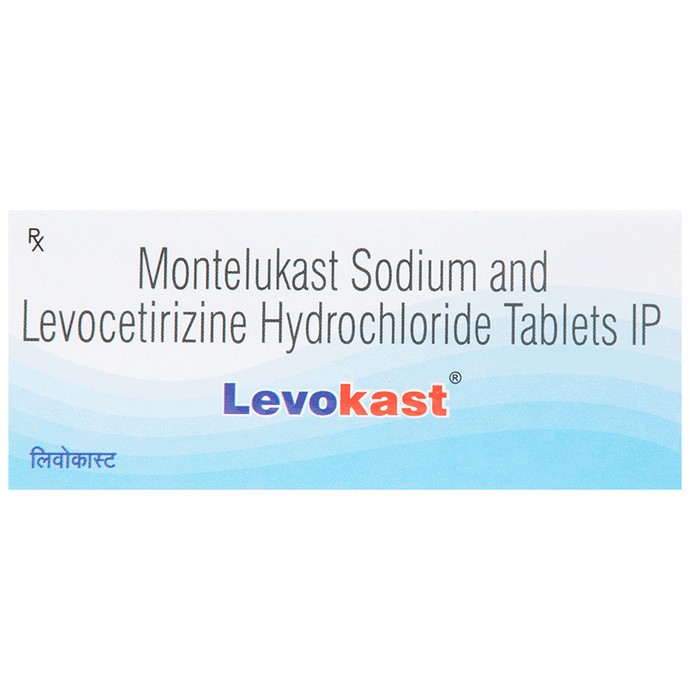

Levokast Tablet

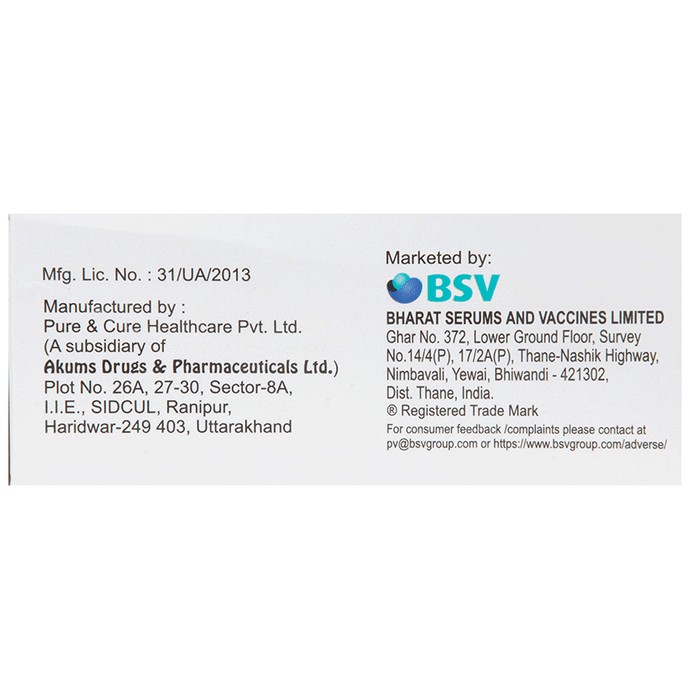
Marketer
Bharat Serums & Vaccines Ltd
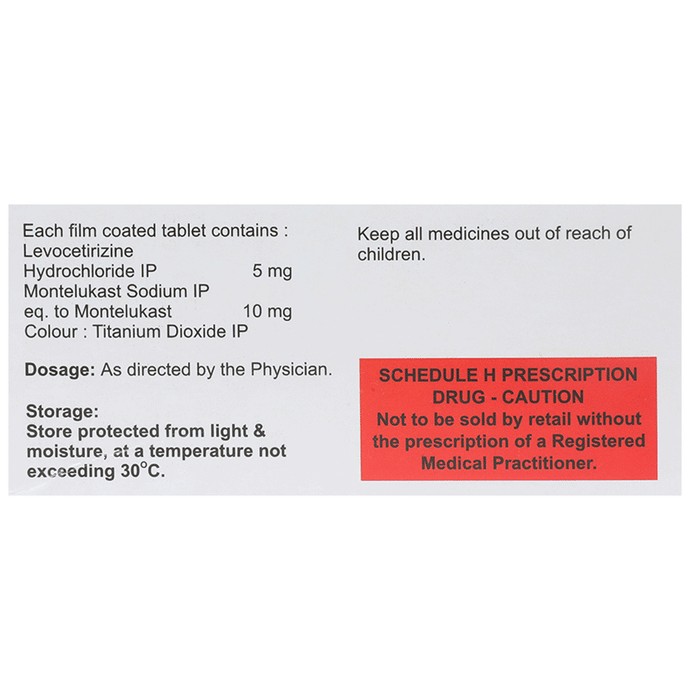
Salt Composition
Levocetirizine (5mg) + Montelukast (10mg)
Overview Levokast Tablet
Allergic symptoms like nasal congestion, sneezing, itching, watery eyes, and swelling respond to Levokast Tablets, a combined medication. This treatment also diminishes airway inflammation, easing breathing. Dosage and duration should follow your doctor's instructions, varying based on your condition and response. Continue treatment as prescribed; premature cessation may worsen symptoms. Inform your physician of all other medications you're using, as interactions are possible. Common, usually temporary, side effects include nausea, diarrhea, vomiting, dry mouth, headache, rash, flu-like symptoms, and tiredness. Report any concerns to your doctor immediately. Drowsiness and dizziness are possible; avoid driving or tasks requiring concentration until you assess the effects. Alcohol should be avoided due to increased drowsiness risk. Self-medication and sharing this medicine are strongly discouraged. Adequate hydration is advisable. Disclose any kidney issues to your doctor before commencing treatment.
Uses of Levokast Tablet
Managing allergic dermatitis | Alleviating allergic rhinitis symptoms | Treating seasonal allergic rhinitis
Major Benefits of Levokast Tablet:
Follow your doctor's instructions precisely regarding dosage and treatment length for Levokast Tablet. Ingest the tablet whole; avoid crushing, chewing, or breaking it. Levokast Tablet can be administered with or without food, though consistent timing is recommended.
Common Side effects of Levokast Tablet:
- Nausea
- Diarrhea
- Dryness in mouth
- Fatigue
- Headache
- Skin rash
- Sleepiness
- Vomiting
- Upper respiratory tract infection
- Sore throat
- Fever
- Abdominal pain
- Increased liver enzymes
How to use Levokast Tablet:
Follow your doctor's instructions precisely regarding the dosage and treatment length for Levokast Tablet. Ingest the tablet whole; avoid chewing, crushing, or breaking it. This medication can be administered with or without food, although consistent timing is recommended.
How Levokast Tablet works:
Allergy relief is provided by Levokast Tablet, a dual-action formulation containing levocetirizine and montelukast. Levocetirizine, an antihistamine, counteracts histamine, a substance causing allergic symptoms like nasal discharge, watery eyes, and sneezing. The leukotriene inhibitor montelukast targets leukotrienes, reducing airway and nasal inflammation, thereby alleviating allergy symptoms.
SAFETY ADVICE
 AlcoholCAUTION
Use caution when combining Levokast Tablet with alcohol. Seek medical advice before doing so.
 PregnancySAFE IF PRESCRIBED
Pregnant women can typically use Levokast tablets without safety concerns. Animal research indicates minimal or no negative impacts on fetal development; clinical data from human trials, however, are scarce.
 Breast feedingUNSAFE
Breastfeeding mothers should not use Levokast tablets. Evidence indicates potential infant toxicity from this medication.
 DrivingUNSAFE
Taking Levokast Tablets might cause drowsiness, blurred vision, or dizziness. Refrain from driving if you experience these effects.
 KidneyCAUTION
Patients with kidney impairment should use Levokast Tablet cautiously, potentially requiring dosage modification. Consult a physician before use. Levokast Tablet is contraindicated in patients with severe kidney disease.
 LiverCAUTION
Patients with severe hepatic impairment should use Levokast tablets cautiously, potentially requiring dosage modification. Consult your physician for guidance. Data regarding Levokast tablet use in such patients is limited; however, dosage alteration isn't typically advised for those with mild to moderate liver disease.
What if you forget to take Levokast Tablet :
Should you forget to take a Levokast Tablet, administer it at your earliest convenience. Nevertheless, if your next scheduled dose is imminent, omit the missed dose and resume your usual dosing regimen. Avoid taking a double dose.
Facts to Know About Levokast Tablet
| Label | Value |
|---|---|
| Potential for Dependence | None. |
| Type of Medication | Breathing-related |
 3,018 People bought this recently