


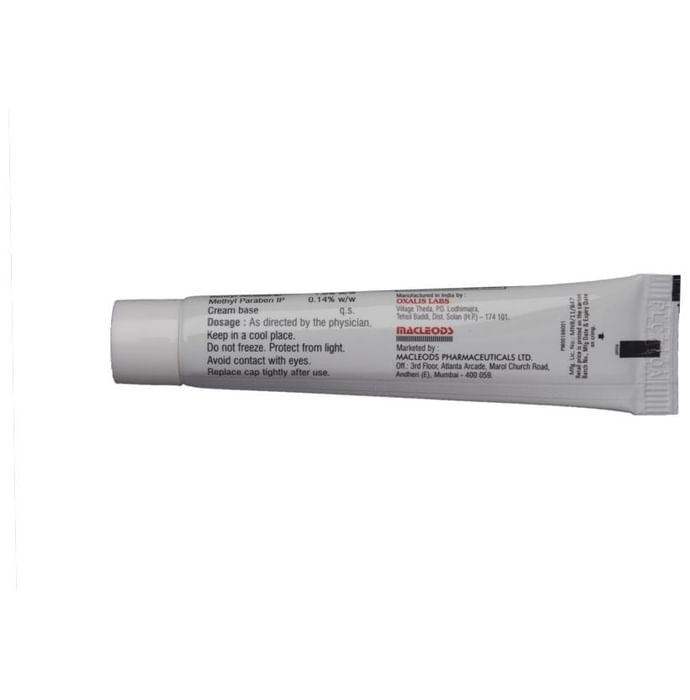
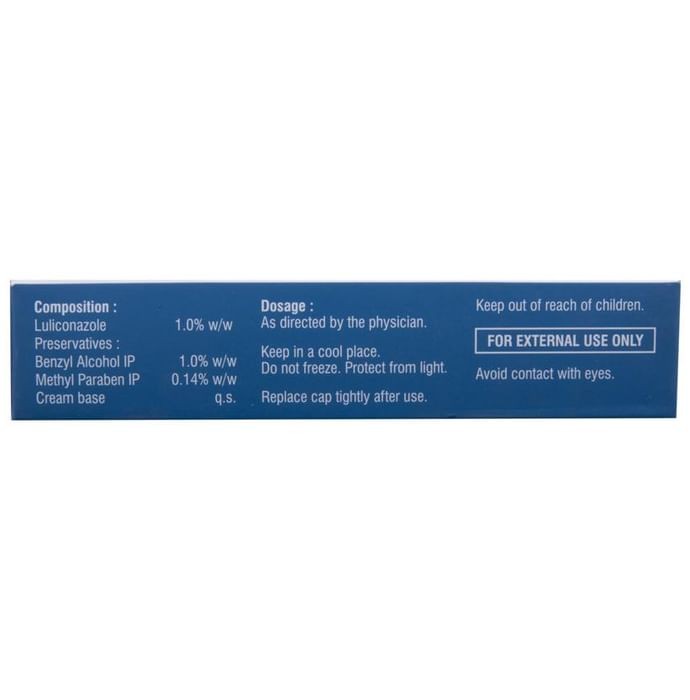
Lulimac Cream

Marketer
Macleods Pharmaceuticals Pvt Ltd
Salt Composition
Luliconazole (1% w/w)
Overview Lulimac Cream
MycoDerm cream combats various fungal skin infections, including athlete's foot, tinea cruris, candidiasis, tinea corporis, and xerosis. Its antifungal action eliminates the causative fungi. Apply MycoDerm cream precisely as your physician directs; exceeding the prescribed dosage won't accelerate healing and might worsen side effects. Most infections clear within two to four weeks. Report any lack of improvement. Maintaining cleanliness and dryness of the affected area, along with handwashing before and after application, enhances efficacy. For athlete's foot, ensure thorough sock/stocking cleaning and daily shoe changes when feasible. Common, typically transient, side effects include application-site burning, irritation, itching, redness, and dryness. Persistent or bothersome effects warrant medical consultation. Seek immediate medical help for allergic reactions (rash, lip/throat/facial swelling, breathing difficulties, nausea). Avoid eye contact; rinse thoroughly with water and seek medical attention if contact occurs. While unlikely, inform your doctor about concurrent oral/injectable medications, especially recent steroid use or prior antifungal allergies. Pregnant or breastfeeding individuals should consult their doctor before using MycoDerm cream.
Uses of Lulimac Cream
Managing cutaneous mycoses
Major Benefits of Lulimac Cream:
Apply this medication topically only. Follow your physician's instructions regarding dosage and treatment length. Always consult the product label for application guidelines. Ensure the affected skin is clean and dry before applying the cream. Wash your hands thoroughly afterward, except when the hands themselves are the treatment area.
Common Side effects of Lulimac Cream:
- Application site reactions (burning, irritation, itching and redness)
- Dry skin
How to use Lulimac Cream:
Apply this medication topically only. Follow your physician's instructions regarding dosage and treatment length. Always consult the product label for application guidelines. Ensure the affected skin is clean and dry before applying the cream. Afterwards, wash your hands thoroughly, except when the hands themselves are the treatment area.
How Lulimac Cream works:
Fungal skin infections respond to Lulimac Cream, an antifungal treatment. Its mechanism involves disrupting the fungal cell membrane, thereby eliminating the infection and alleviating associated itching, irritation, and discomfort.
SAFETY ADVICE
 AlcoholNone
No known drug interactions.
 PregnancyCONSULT YOUR DOCTOR
The use of Lulimac Cream during pregnancy may pose risks. While human data is scarce, animal research indicates potential harm to a fetus. A physician will assess the advantages against possible dangers prior to prescribing. Seek medical advice.
 Breast feedingCONSULT YOUR DOCTOR
The use of Lulimac Cream while breastfeeding is likely inadvisable. Scant evidence in humans indicates potential transfer of the medication into breast milk, posing a possible risk to the infant.
 DrivingNone
No drug interactions identified.
 KidneyNone
No known drug interactions.
 LiverNone
No known drug interactions.
What if you forget to take Lulimac Cream :
Should you forget a Lulimac Cream application, apply it at your earliest convenience. However, if your next scheduled application is imminent, omit the missed dose and resume your usual regimen. Never apply a double dose.
Facts to Know About Lulimac Cream
| Label | Value |
|---|---|
| Chemical Type | Azole derivatives |
| Developing Habits | No. |
| Treatment Category | DERMA |
 3,018 People bought this recently