


Search Icon

AUM Pharmacy

Hi there!

Hello, Login
All Categories
VisaVisaVisa
slide-0
slide-1
slide-2
slide-3
slide-4

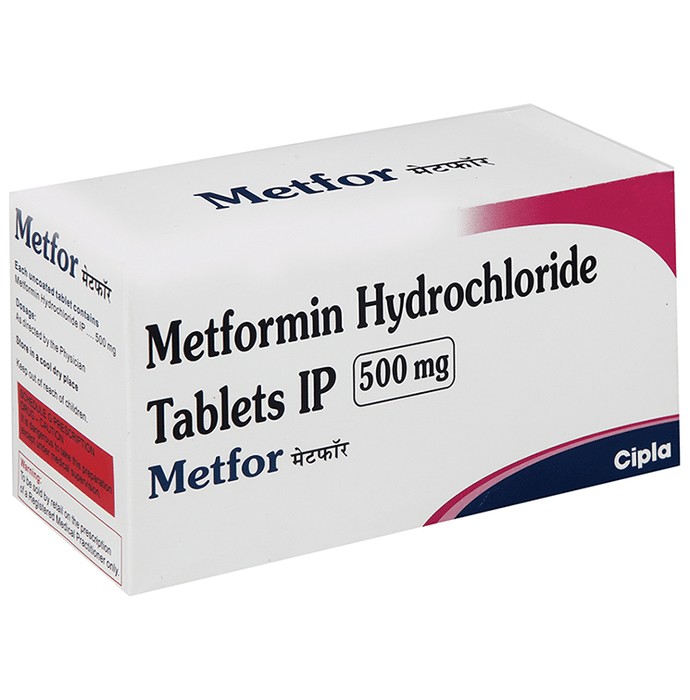
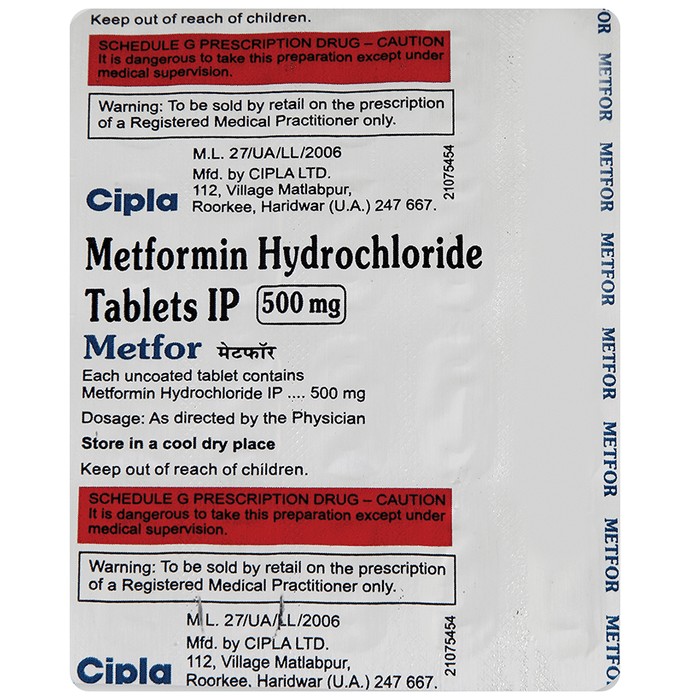
Metfor Tablet

Prescription Icon
Prescription Required

Marketer

Cipla Ltd

Salt Composition

Metformin (500mg)

Overview Metfor Tablet

GlucoControl tablets are prescribed for managing type 2 diabetes mellitus. This medication regulates blood glucose, mitigating the risk of severe diabetic complications. It's also employed in the treatment of Polycystic Ovary Syndrome (PCOS) in women. For optimal absorption and to minimize gastrointestinal upset, GlucoControl should be taken with food. Consistent daily dosing, at the same time each day, is crucial for effectiveness. Discontinuation should only occur under a physician's guidance. Lifestyle modifications are integral to diabetes management; adherence to your doctor's dietary and exercise plan is essential while using this medication. Common side effects include nausea, vomiting, diarrhea, abdominal discomfort, flatulence, weakness, indigestion, headache, and decreased appetite. Concurrent use with other diabetic medications, alcohol consumption, or missed meals can lead to hypoglycemia (low blood sugar). Regular blood glucose monitoring is therefore vital. Prior to commencing treatment, inform your doctor of any pre-existing kidney, liver, or heart conditions. Pregnant or lactating women should seek medical consultation before use. Kidney function will be assessed by your physician before prescribing. Excessive alcohol intake should be avoided due to the increased risk of adverse reactions.

Primary Ingredients of Metfor Tablet

There is no text provided to rephrase.

Uses of Metfor Tablet

Managing type 2 diabetes and polycystic ovary syndrome (PCOS)

Major Benefits of Metfor Tablet:

Consume this medication precisely as directed by your physician, adhering to the prescribed dosage and timeframe. Ingest the tablet whole; avoid chewing, crushing, or fracturing it. Metfor tablets should be administered with a meal.

Common Side effects of Metfor Tablet:

  • Diarrhea
  • Headache
  • Vomiting
  • Nausea
  • Flatulence
  • Abdominal discomfort
  • Weakness

How to use Metfor Tablet:

Consume this medication precisely as directed by your physician, adhering to the prescribed dosage and timeframe. Ingest the tablet whole; avoid chewing, crushing, or fracturing it. Metfor tablets should be administered with meals.

How Metfor Tablet works:

Metformin tablets, a biguanide-class antidiabetic drug, reduce blood sugar by decreasing hepatic glucose output, slowing intestinal glucose uptake, and enhancing insulin responsiveness.

SAFETY ADVICE

AlcoholAlcoholUNSAFE

Combining Metfor Tablet with alcohol is contraindicated.

PregnancyPregnancySAFE IF PRESCRIBED

Metformin tablets are typically regarded as safe for use during pregnancy. Preclinical trials in animals have revealed minimal or no harmful consequences for fetal development; nevertheless, data from human trials are scarce.

Breast feedingBreast feedingCAUTION

Use of Metfor Tablet during breastfeeding requires careful consideration. Breastfeeding is advised against until maternal treatment concludes and the medication is fully cleared from the mother's system.

DrivingDrivingCAUTION

Driving ability can be impaired by both hypoglycemia and hyperglycemia. Refrain from driving if you experience these conditions.

KidneyKidneyCAUTION

Individuals with kidney impairment should use Metfor Tablet cautiously, potentially requiring a modified dosage. Physician consultation is advised. Metfor Tablet is contraindicated for those with severely compromised kidney function.

LiverLiverUNSAFE

Individuals with liver conditions should likely avoid Metfor Tablet due to potential safety risks. A physician's consultation is recommended.

What if you forget to take Metfor Tablet :

Should you forget to take your Metfor Tablet, administer it at your earliest convenience. Nevertheless, if your next scheduled dose is imminent, omit the missed dose and resume your usual dosing regimen. Avoid taking a double dose.

Facts to Know About Metfor Tablet

LabelValue
Chemical Type Biguanide Analog
Developing Habits No.
Treatment Category Diabetes Management

FAQs on Metfor Tablet

In type 2 diabetes, the body doesn't effectively use the insulin it produces, leading to high blood sugar. Metfor Tablet works through multiple mechanisms to lower blood glucose. It reduces liver glucose production, decreases intestinal glucose absorption after meals, and enhances insulin sensitivity in tissues, thereby improving glucose uptake and the body's response to its own insulin.
Metformin tablets can contribute to weight loss in overweight or obese individuals, including those at risk for diabetes or with insulin resistance. However, never begin taking Metformin for weight loss without first consulting your doctor.
Metformin tablets are a frontline treatment for high blood sugar, effectively managing blood glucose levels. They enhance the body's insulin response, reduce liver glucose production, and limit intestinal sugar absorption. Unlike other oral antidiabetics, Metformin, when used alone, seldom causes hypoglycemia by avoiding excessive insulin release from the pancreas. Furthermore, it aids in weight management.
Metformin tablets generally don't cause drowsiness and are well-tolerated. Rarely, however, they may lead to sleep disturbances or insomnia. Excessive sleepiness can be a sign of lactic acidosis, a serious side effect, especially if you have kidney problems. Consult your doctor if you experience tiredness or sleepiness while taking metformin.
Take Metformin tablets with or after food. Swallow whole with water; do not crush or chew. For once-daily doses, take it in the morning with breakfast. For twice-daily doses, take one in the morning and one in the evening with dinner. For three times daily, take one with breakfast, one with lunch, and one with dinner. Taking Metformin with meals minimizes digestive upset, such as nausea, vomiting, diarrhea, stomach pain, and loss of appetite.
Type 2 diabetes results from insufficient insulin production or ineffective insulin use, leading to elevated blood sugar. Metfor Tablet counteracts this by reducing liver glucose production, decreasing intestinal glucose absorption after meals, and enhancing insulin sensitivity in organs and muscles. This improved insulin sensitivity facilitates better glucose uptake from the blood, optimizing the body's natural insulin response.
Metformin tablets can lead to weight loss in overweight or obese individuals, including those at risk for diabetes or with insulin resistance. However, never begin taking Metformin for weight loss without first consulting your doctor.
Metformin tablets are a frontline treatment for high blood sugar, effectively managing blood glucose levels. They enhance the body's insulin response, reduce liver glucose production, and limit intestinal sugar absorption. Unlike other oral antidiabetics, Metformin rarely causes hypoglycemia when used alone, as it doesn't stimulate excessive insulin release. Beyond blood sugar control, it also aids in weight management.
Metformin tablets generally don't cause drowsiness and are well-tolerated. Rarely, however, they may lead to sleep disturbances or insomnia. Unusual sleepiness could indicate a serious complication, lactic acidosis, especially if you have kidney problems. Consult your doctor if you experience fatigue or sleepiness while using metformin.
Take Metformin tablets with or after food. Swallow them whole with water; do not crush or chew. For a once-daily dose, take it with breakfast. For twice-daily doses, take one with breakfast and one with dinner. For three times daily, take one with breakfast, one with lunch, and one with dinner. Taking Metformin with meals minimizes digestive upset, such as nausea, vomiting, diarrhea, stomach pain, and loss of appetite.
Type 2 diabetes results from insufficient insulin production or impaired insulin response, leading to high blood sugar. Metfor Tablet counteracts this by reducing liver glucose production, decreasing intestinal glucose absorption, and enhancing insulin sensitivity in organs and muscles. This improves glucose uptake from the blood and overall insulin responsiveness.
Metformin tablets have been associated with weight loss in overweight or obese individuals, including those at risk for diabetes and those with insulin resistance or sensitivity. However, never begin taking Metformin for weight loss without first consulting your doctor.
Metformin tablets are a frontline treatment for high blood sugar. They regulate blood sugar by improving the body's insulin response, reducing liver glucose production, and decreasing intestinal sugar absorption. Unlike other oral antidiabetics, metformin monotherapy seldom causes hypoglycemia because it doesn't stimulate excessive insulin release. Beyond blood sugar control, it also aids in weight management.
Metformin tablets generally don't cause drowsiness and are well-tolerated. Rarely, however, they may lead to sleep disturbances or insomnia. Excessive sleepiness could indicate a serious complication, lactic acidosis, especially if you have kidney problems. Consult your doctor if you experience unusual tiredness or sleepiness while using Metformin.
Take Metformin tablets with or after food. Swallow whole with water; do not crush or chew. For single daily doses, take it in the morning with breakfast. For two daily doses, take one with breakfast and one with dinner. For three daily doses, take one with breakfast, one with lunch, and one with dinner. Taking Metformin with meals minimizes digestive upset such as indigestion, nausea, vomiting, diarrhea, stomach pain, and appetite loss.
Metfor Tablet
19
MRP 38
50% off
