




Mirena Intrauterine Delivery System

Marketer
Bayer Zydus Pharma Pvt Ltd
Salt Composition
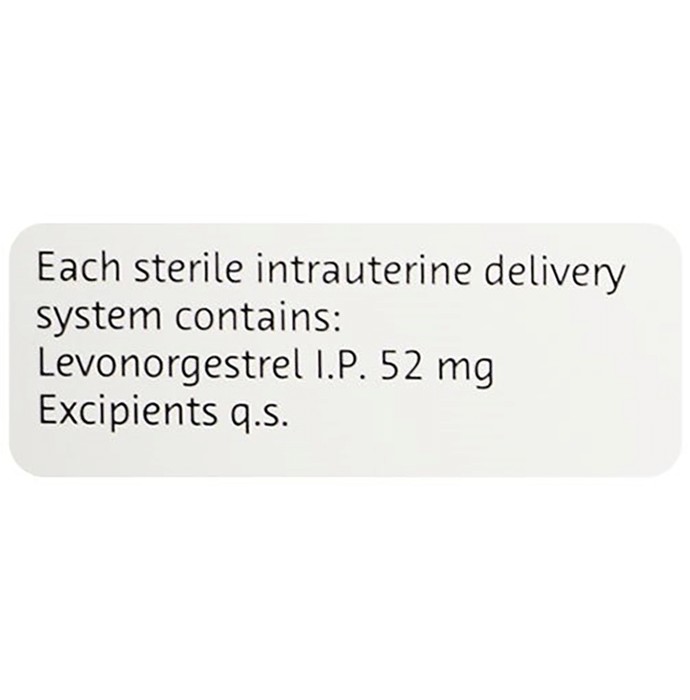
Levonorgestrel (intrauterine delivery system) (52mg)
Overview Mirena Intrauterine Delivery System
The Levonorgestrel-releasing Intrauterine System (IUS), Mirena, offers long-term contraception. This T-shaped device, implanted within the uterus, gradually dispenses the hormone levonorgestrel. Beyond birth control, Mirena effectively manages heavy menstrual bleeding. Professional insertion by a physician is required. Remaining in place for several years, it provides reliable contraception for up to five years but is easily removed when pregnancy is desired. Adherence to your doctor's instructions is vital. A follow-up appointment, typically scheduled 4-12 weeks post-insertion, is recommended. Post-insertion side effects such as cramping, headaches (including migraines), bleeding, and dizziness may occur; consult your doctor if symptoms persist beyond 30 minutes. Complete disclosure of all other medications to your physician is crucial before Mirena use, as interactions may compromise its efficacy or alter its function.
Primary Ingredients of Mirena Intrauterine Delivery System
The information is unavailable.
Uses of Mirena Intrauterine Delivery System
Birth control|Menorrhagia
Common Side effects of Mirena Intrauterine Delivery System:
- Irregular uterine bleeding
- Ovarian cysts
- Pelvic pain
- Dizziness
- Headache
- Migraine
How Mirena Intrauterine Delivery System works:
The Mirena IUD, inserted into the uterus, steadily releases levonorgestrel. This hormone exerts its effects through multiple mechanisms: it alters cervical mucus, hindering sperm transport; it thins the uterine lining; and it can suppress ovulation. These combined actions account for the device's therapeutic benefits.
SAFETY ADVICE
 AlcoholNone
No known drug interactions.
 PregnancyNone
No known drug interactions.
 Breast feedingNone
No known drug interactions.
 DrivingNone
No drug interaction identified.
 KidneyNone
No known drug interactions.
 LiverNone
No known drug interactions.
What if you forget to take Mirena Intrauterine Delivery System :
Failure to take a scheduled dose of the Mirena IUD warrants immediate medical consultation.
Facts to Know About Mirena Intrauterine Delivery System
| Label | Value |
|---|---|
| Type of Compound | Synthetic Progestins |
| Potential for Dependence | None. |
| Type of Medication | OBSTETRIC AND GYNECOLOGICAL |
 3,018 People bought this recently