


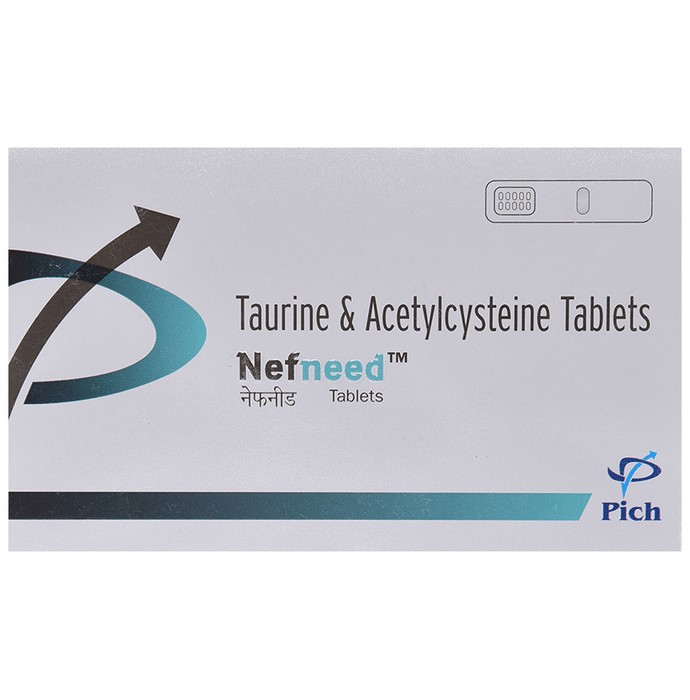
Nefneed Tablet

Marketer
Pich Pharma
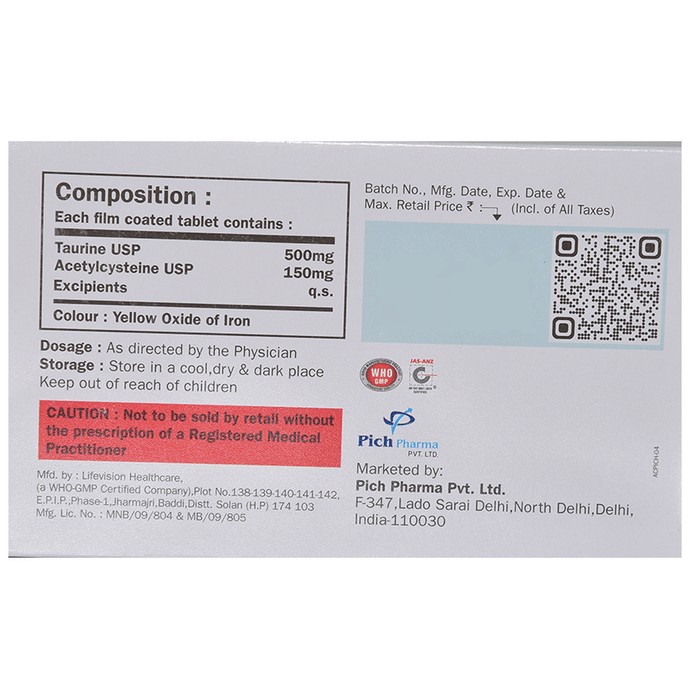
Salt Composition
Taurine (500mg) + Acetylcysteine (150mg)
Overview Nefneed Tablet
Renoguard tablets combine medications to manage chronic kidney disease, safeguarding kidney function and mitigating the risk of renal failure. Administer Renoguard with or without food, following your doctor's prescribed dosage and regimen. Your personalized dose will be determined by your health status and response to treatment. Continuous use, as directed by your physician, is crucial; premature discontinuation may lead to symptom recurrence and disease progression. Inform your doctor of all other medications you are currently using, as interactions are possible. Common, usually transient, side effects include nausea, vomiting, fever, rhinorrhea, diarrhea, abdominal discomfort, skin reactions (rash, irritation), and throat irritation. Report any concerning side effects promptly. Prior to commencing treatment, disclose any pre-existing kidney or liver conditions, as well as all other medications. Pregnant or breastfeeding individuals should seek medical counsel before using Renoguard.
Primary Ingredients of Nefneed Tablet
No text provided. Please provide the text you wish me to rephrase.
Uses of Nefneed Tablet
Managing chronic kidney failure
Major Benefits of Nefneed Tablet:
Follow your doctor's instructions precisely regarding dosage and treatment length for Nefneed Tablets. Ingest the tablets whole; do not chew, crush, or divide them. Administer Nefneed Tablets with food.
Common Side effects of Nefneed Tablet:
- Nausea
- Vomiting
- Rash
- Fever
- Runny nose
- Diarrhea
- Abdominal pain
- Skin irritation
- Throat irritation
How to use Nefneed Tablet:
Consume this medication precisely as your physician directs, adhering to both the prescribed dosage and treatment length. Ingest the tablet whole; avoid chewing, crushing, or fracturing it. It's recommended to take Nefneed Tablet with a meal.
How Nefneed Tablet works:
Taurine and Acetylcysteine, the active components of Nefneed Tablet, synergistically combat oxidative stress. This dual antioxidant action safeguards renal tissue from the damaging effects of free radicals.
SAFETY ADVICE
 AlcoholCONSULT YOUR DOCTOR
Alcohol consumption alongside Nefneed Tablet presents an unknown safety profile. Seek medical advice before combining them.
 PregnancyCONSULT YOUR DOCTOR
Using Nefneed Tablet during pregnancy may pose risks. While human research is scarce, animal studies indicate potential harm to the fetus. A physician will assess the advantages against possible risks prior to prescribing. Seek medical advice.
 Breast feedingCONSULT YOUR DOCTOR
The use of Nefneed Tablet while breastfeeding is likely inadvisable. Available human data indicate potential drug transfer to breast milk, posing a possible risk to the infant.
 DrivingCONSULT YOUR DOCTOR
The effect of Nefneed Tablet on driving ability is unknown. Refrain from driving if you experience symptoms impairing concentration or reaction time.
 KidneySAFE IF PRESCRIBED
Nefneed tablets pose no safety concerns for patients with renal impairment; no dosage modification is necessary.
 LiverCONSULT YOUR DOCTOR
Data regarding Nefneed Tablet use in individuals with hepatic impairment is scarce. Physician consultation is advised.
What if you forget to take Nefneed Tablet :
Should you forget a Nefneed Tablet dose, take it immediately. If, however, your next dose is nearly due, omit the missed dose and resume your usual dosing regimen. Never take a double dose.
Facts to Know About Nefneed Tablet
| Label | Value |
|---|---|
| Developing Habits | No. |
| Treatment Category | Urological Care |
 3,018 People bought this recently