



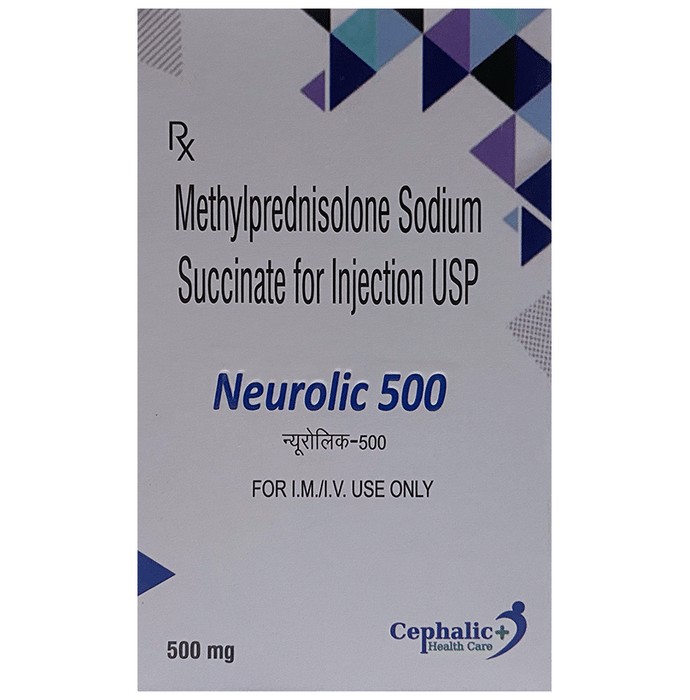
Neurolic 500 Injection

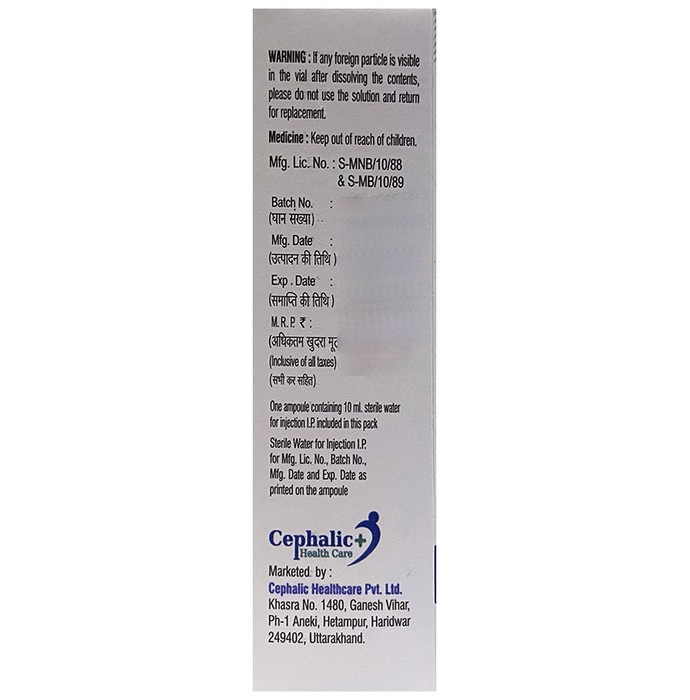
Marketer
Cephalic Healthcare Pvt. Ltd.
Salt Composition
Methylprednisolone (500mg)
Overview Neurolic 500 Injection
Dexamethasone 500mg Injection, a corticosteroid medication, treats various conditions including inflammatory joint diseases, bronchial asthma, acute hypersensitivity reactions, and ophthalmological or dermatological ailments. Administered intravenously, intra-articularly, or intramuscularly by a physician, dosage is determined by the specific condition and symptom severity. Home administration requires thorough physician instruction. Adhere strictly to the prescribed dosage; increasing it won't accelerate recovery but heightens adverse effects. Maintain consistent use, even with symptom improvement; abrupt cessation can worsen the condition; gradual discontinuation is essential. Common side effects encompass nausea, cephalalgia, vertigo, diaphoresis, and peripheral edema. Your doctor can address persistent or bothersome side effects. Corticosteroids impair immune function; avoid contact with individuals exhibiting contagious illnesses like influenza, rubella, or varicella, and refrain from live vaccinations. Pediatric patients may experience growth retardation. Prior to commencing treatment, inform your physician of any pre-existing osteoporosis, affective disorders, hypertension, hepatic impairment, or diabetes (as this medication might elevate blood glucose levels). Disclose all other medications being taken to ensure compatibility. Pregnancy, pregnancy planning, and breastfeeding should also be communicated to your doctor. Prolonged use necessitates regular monitoring of blood glucose, blood pressure, bone mineral density, and ophthalmological assessment.
Uses of Neurolic 500 Injection
Management of allergic reactions | Systemic lupus erythematosus (SLE) management | Skin condition treatment | Ocular disease therapy | Rheumatic disease care
Major Benefits of Neurolic 500 Injection:
Administering this medication will be done by your physician or their nursing staff; please refrain from self-medication.
Common Side effects of Neurolic 500 Injection:
- Nausea
- Behavioral changes
- Sweating
- Edema (swelling)
- Mood changes
- Upset stomach
- Thinning of skin
- Increased risk of infection
- Reduction in bone density
How to use Neurolic 500 Injection:
The medication will be administered by your healthcare provider. Self-medication is strictly prohibited.
How Neurolic 500 Injection works:
Steroidal medication Neurolic 500 Injection counteracts inflammation and allergic responses by inhibiting the synthesis of specific inflammatory mediators.
SAFETY ADVICE
 AlcoholUNSAFE
Consuming alcohol alongside Neurolic 500 Injection poses a safety risk.
 PregnancyCONSULT YOUR DOCTOR
The use of Neurolic 500 Injection during pregnancy may pose risks. While human data is scarce, animal research indicates potential harm to the fetus. A physician will assess the potential advantages against any risks prior to prescribing. Seek medical advice.
 Breast feedingCONSULT YOUR DOCTOR
Data on the compatibility of Neurolic 500 Injection with breastfeeding is lacking. Seek medical advice from your physician.
 DrivingUNSAFE
Administering Neurolic 500 Injection may result in adverse reactions that impair driving capabilities. Potential side effects include dizziness, vertigo, visual impairment, and tiredness following the injection. These effects could compromise your ability to operate a vehicle.
 KidneySAFE IF PRESCRIBED
Neurolic 500 Injection can be used safely by individuals with kidney conditions; dosage modification isn't usually necessary. Nevertheless, patients with pre-existing kidney disease should consult their physician.
 LiverCONSULT YOUR DOCTOR
Insufficient data exists regarding Neurolic 500 Injection's use in individuals with hepatic impairment. Physician consultation is advised.
What if you forget to take Neurolic 500 Injection :
Omit a Neurolic 500 Injection dose? Seek medical advice.
Facts to Know About Neurolic 500 Injection
| Label | Value |
|---|---|
| Chemical Category | Corticosteroids |
| Developing Habits | No. |
| Type of Therapy | Endocrine Signals |
 3,018 People bought this recently