


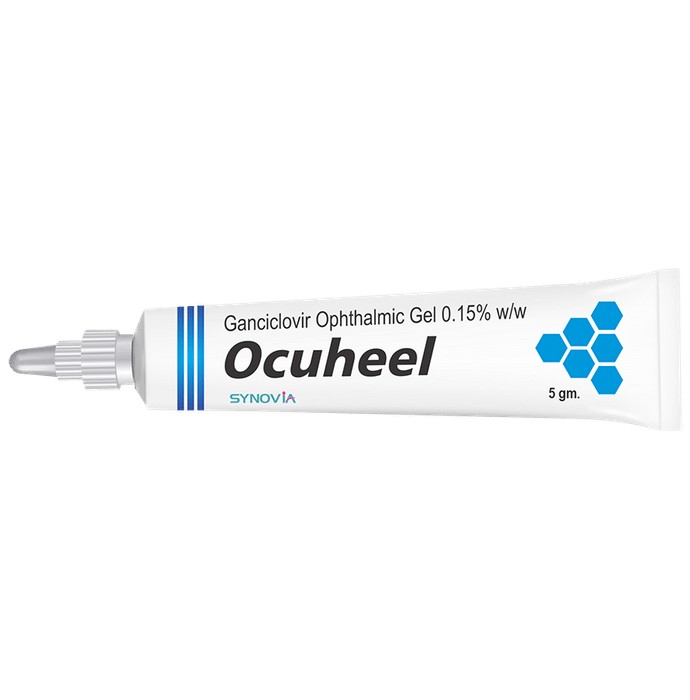
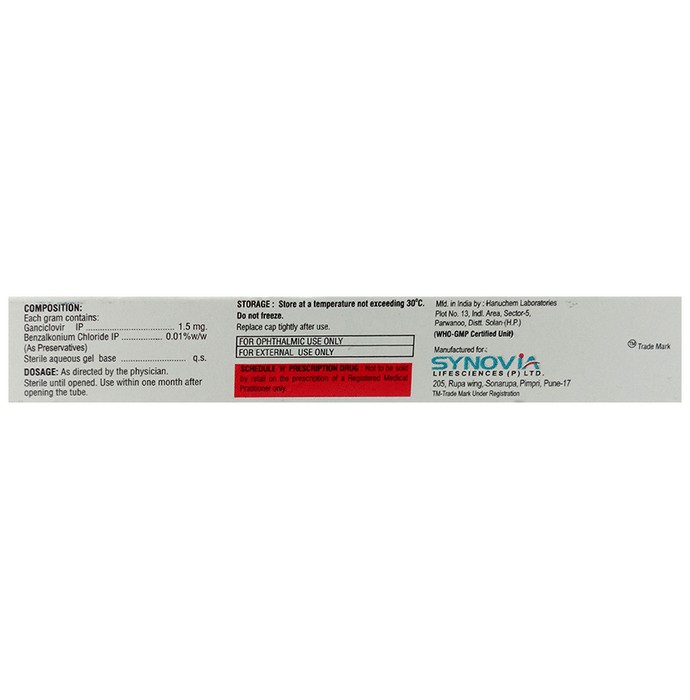
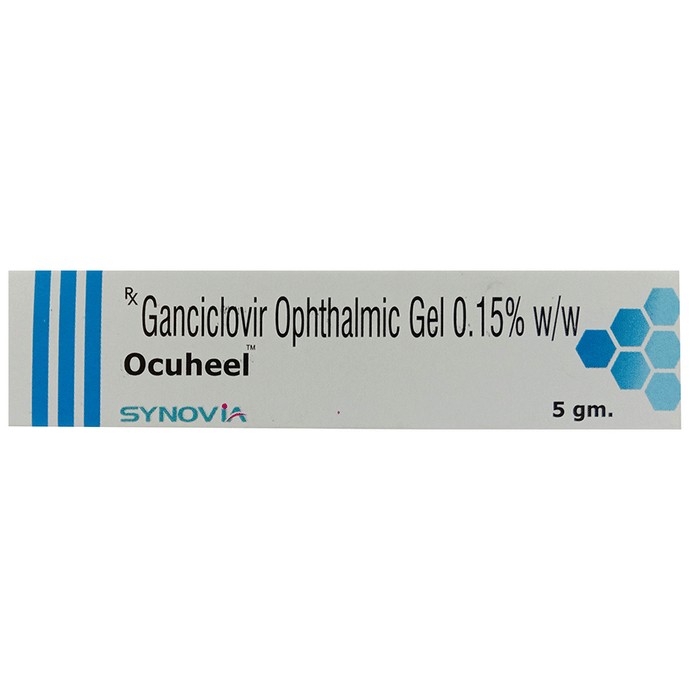
Ocuheel Ophthalmic Gel

Marketer
Synovia Life Sciences Pvt Ltd
Salt Composition
Ganciclovir (0.15% w/w)
Overview Ocuheel Ophthalmic Gel
Cytomegalovirus retinitis, a severe eye infection threatening sight, finds a treatment in Ocuheel Ophthalmic Gel. This antiviral medication is specifically indicated for immunocompromised individuals post-organ or bone marrow transplant, combating CMV-induced infections. Applied externally only, and as directed by your physician, Ocuheel should be administered with clean hands. Gently dispense the gel into the lower eyelid, avoiding tube contact with the eye. Minor, transient eye irritation may occur post-application; however, persistent irritation warrants medical consultation. Contact lens use is contraindicated during treatment.
Uses of Ocuheel Ophthalmic Gel
CMV Infection
Major Benefits of Ocuheel Ophthalmic Gel:
Apply this medication solely to the exterior of the body. Administer as directed by your physician, adhering to the prescribed dosage and treatment period. Consult the product label for application instructions prior to use. Keep the applicator near the eye, avoiding contact. Carefully dispense the medication into the lower eyelid sac.
Common Side effects of Ocuheel Ophthalmic Gel:
- Eye irritation
How to use Ocuheel Ophthalmic Gel:
Apply this medication externally only. Administer as directed by your physician, following the prescribed dosage and timeframe. Consult the product label for application instructions prior to use. Position the applicator near the eye, avoiding contact. Gently compress the container to instill the medication beneath the lower eyelid.
How Ocuheel Ophthalmic Gel works:
Viral conjunctivitis and corneal infections respond to Ocuheel Ophthalmic Gel, an antiviral agent. Its mechanism involves inhibiting viral replication on the cornea, thus halting further infection spread and promoting healing.
SAFETY ADVICE
 AlcoholNone
No drug interactions identified.
 PregnancyCONSULT YOUR DOCTOR
The safety of Ocuheel Ophthalmic Gel during pregnancy is uncertain. While human research is scant, animal studies indicate potential harm to a developing fetus. A physician will assess the potential risks against the benefits before prescribing. Seek medical advice.
 Breast feedingCONSULT YOUR DOCTOR
The use of Ocuheel Ophthalmic Gel while breastfeeding is likely inadvisable. Preliminary human research indicates potential transfer to breast milk, posing a possible risk to the infant.
 DrivingUNSAFE
Using Ocuheel Ophthalmic Gel may induce adverse reactions impacting driving capabilities. These might include drowsiness, dizziness, disorientation, tremors, loss of equilibrium, or seizures.
 KidneyNone
No known drug interactions.
 LiverNone
No known drug interactions.
What if you forget to take Ocuheel Ophthalmic Gel :
Should you forget a dose of Ocuheel Ophthalmic Gel, administer it at your earliest convenience. However, if your next scheduled dose is imminent, omit the missed dose and resume your usual dosing regimen. Never take a double dose.
Facts to Know About Ocuheel Ophthalmic Gel
| Label | Value |
|---|---|
| Chemical Classification | Nucleobase analog |
| Developing Habits | No. |
| Treatment Category | Ophthalmology |
| Behavioral Class | Non-HIV antiviral medications |
 3,018 People bought this recently