


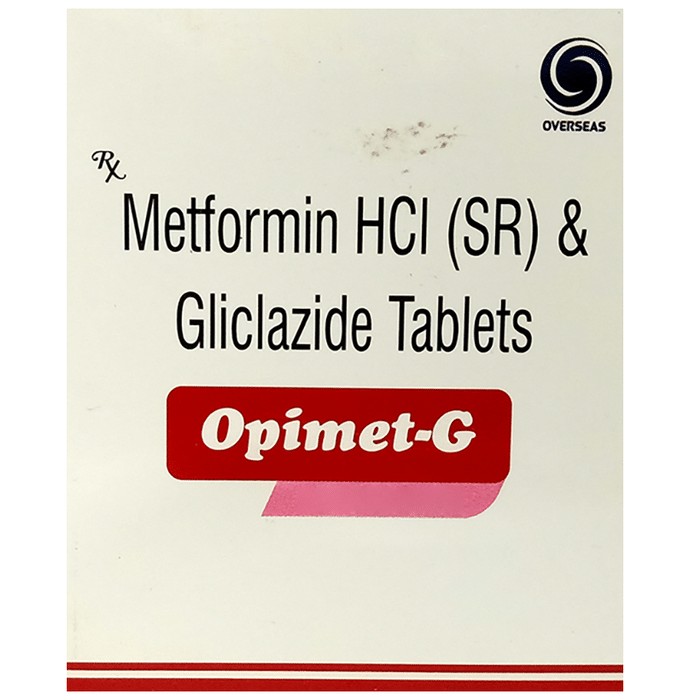
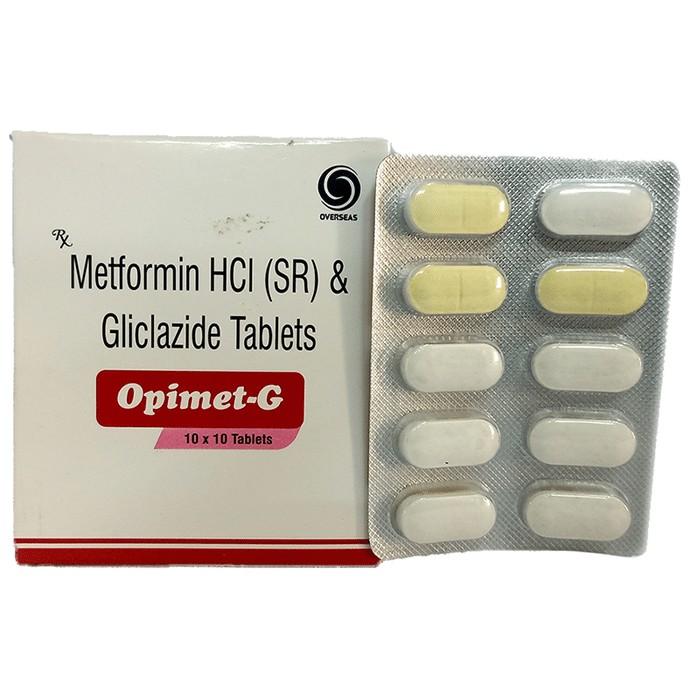
Opimet-G Tablet SR

Marketer
Overseas Pharma Pvt Ltd
Salt Composition
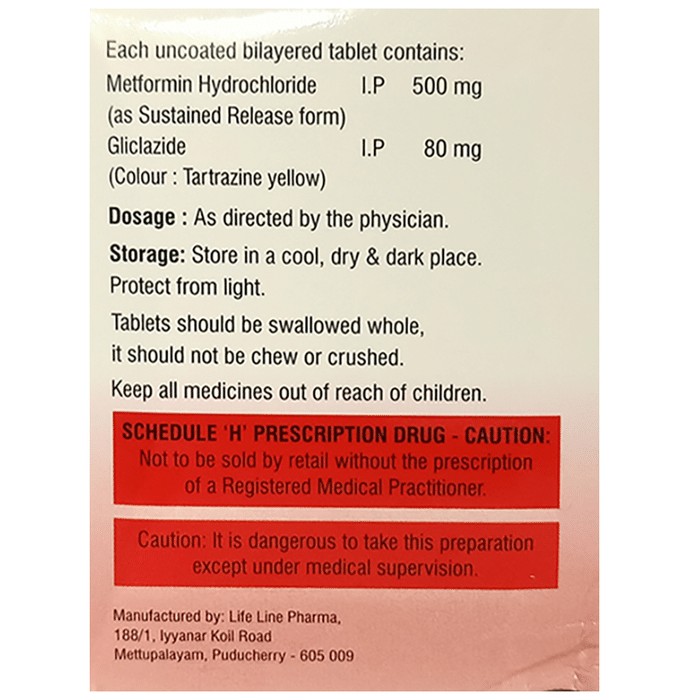
Gliclazide (80mg) + Metformin (500mg)
Overview Opimet-G Tablet SR
DiabetaComb SR tablets are a dual-action antidiabetic medication used to manage type 2 diabetes in adults. This formulation combines two agents to help regulate blood glucose levels. DiabetaComb SR should be ingested with food, consistently at the same time daily for optimal effectiveness. Dosage is determined by your physician and may be adjusted based on your blood sugar response. Continuous use is vital, even with controlled blood sugar, as abrupt cessation can lead to hyperglycemia and potentially serious complications like kidney impairment, vision loss, neuropathy, and limb amputation. Remember, this medication complements a comprehensive diabetes management plan encompassing dietary adjustments, regular exercise, and weight management as recommended by your healthcare provider. Lifestyle choices are crucial in diabetes control. Common adverse effects include hypoglycemia (low blood sugar), characterized by symptoms like sweating, dizziness, headache, and tremors; constipation; and vomiting. Carry a quick-acting glucose source (e.g., sugary snacks or juice) to counter hypoglycemia and maintain regular mealtimes. Alcohol consumption should be minimized due to its potential to exacerbate hypoglycemia. Other possible side effects are altered taste perception, nausea, diarrhea, abdominal pain, headache, and upper respiratory infections. Weight gain may occur in some patients. DiabetaComb SR is contraindicated in individuals with type 1 diabetes, diabetic ketoacidosis, or severe hepatic or renal impairment. Prior heart conditions should be disclosed to your doctor before commencing treatment. Pregnant or lactating women require medical consultation prior to use. Regular blood glucose monitoring and periodic blood tests (to assess blood cell counts and liver function) may be recommended by your physician.
Uses of Opimet-G Tablet SR
Adult-onset diabetes
Major Benefits of Opimet-G Tablet SR:
Consume this medication precisely as your physician directs, adhering to the prescribed dosage and treatment period. Ingest the Opimet-G SR tablet whole; avoid chewing, crushing, or fracturing it. Administer this medication with food.
Common Side effects of Opimet-G Tablet SR:
- Hypoglycemia (low blood glucose level)
- Headache
- Dizziness
- Diarrhea
- Upper respiratory tract infection
- Nausea
- Flatulence
- Constipation
How to use Opimet-G Tablet SR:
Consume this medication precisely as your physician directs, adhering to both the prescribed dosage and treatment length. Ingest the Opimet-G Tablet SR whole; avoid chewing, crushing, or fracturing it. Administer this medication with food.
How Opimet-G Tablet SR works:
Gliclazide and metformin are combined in the extended-release Opimet-G tablet to manage diabetes.
SAFETY ADVICE
 AlcoholUNSAFE
Concurrent use of Opimet-G Tablet SR and alcohol is contraindicated.
 PregnancyCONSULT YOUR DOCTOR
Using Opimet-G Tablet SR during pregnancy poses a confirmed risk to the fetus. Its use should be avoided except in rare, life-threatening circumstances where the potential benefits significantly outweigh the known hazards. Always seek medical advice.
 Breast feedingCONSULT YOUR DOCTOR
Extended-release Opimet-G tablets are likely unsafe for breastfeeding mothers. Available human data indicates potential transfer of the medication into breast milk, posing a risk to the infant.
 DrivingCAUTION
Driving ability can be impaired by both hypoglycemia and hyperglycemia. Refrain from driving if you experience these conditions.
 KidneyCAUTION
Exercise caution when prescribing Opimet-G Tablet SR to individuals with impaired kidney function; dosage modification may be necessary. Consult a physician. Opimet-G Tablet SR is contraindicated in patients exhibiting severe renal insufficiency. Routine monitoring of renal function is recommended during treatment.
 LiverCAUTION
Exercise caution when prescribing Opimet-G Tablet SR to individuals with hepatic impairment. Dosage modification of Opimet-G Tablet SR may be necessary. Physician consultation is advised. For patients exhibiting mild to moderate liver dysfunction, Opimet-G Tablet SR should typically commence at a reduced dosage; its use is contraindicated in those with severe liver disease.
What if you forget to take Opimet-G Tablet SR :
Should you forget a dose of Opimet-G Tablet SR, take it immediately if you remember. If, however, your next dose is imminent, omit the missed dose and resume your usual dosing regimen. Avoid taking a double dose.
Facts to Know About Opimet-G Tablet SR
| Label | Value |
|---|---|
| Developing Habits | No. |
| Treatment Category | Diabetes Medication |
 3,018 People bought this recently