


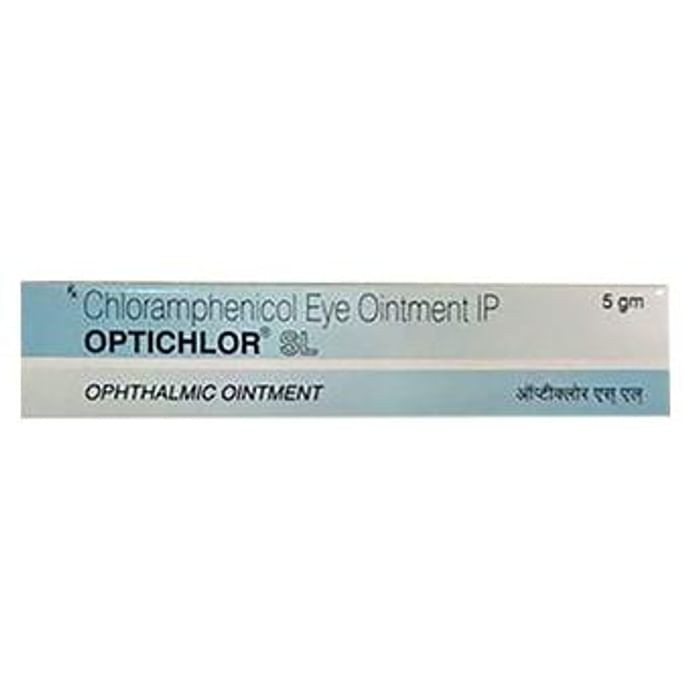
Optichlor Eye Ointment

Marketer
Entod Pharmaceuticals Ltd
Salt Composition
Chloramphenicol (1% w/w)
Overview Optichlor Eye Ointment
Chloramphenicol ophthalmic ointment is a bactericidal antibiotic indicated for bacterial eye infections. Its mechanism involves eliminating the causative bacteria, thereby resolving symptoms and eradicating the infection. Administer this medication as directed by your physician, maintaining consistent dosing intervals. Complete the prescribed course, even with symptom improvement; premature discontinuation risks relapse or infection exacerbation. While effective against numerous bacterial strains, it's ineffective against viral or other non-bacterial eye infections and should only be used under medical supervision. Overuse diminishes future antibiotic efficacy. Minor side effects such as temporary eye stinging or blurred vision may occur. Persistent or worsening symptoms require medical attention. Consult your doctor before use during pregnancy or breastfeeding. Avoid contact lens wear during treatment and the infection. Do not exceed five days of use without consulting your physician.
Uses of Optichlor Eye Ointment
Infections of the eye caused by bacteria
Major Benefits of Optichlor Eye Ointment:
Apply this medication externally only. Follow your physician's instructions precisely regarding dosage and treatment length. Always consult the product label for application details prior to use. Keep the applicator tip near, but not touching, the eye. Carefully dispense the medication into the lower conjunctival sac.
Common Side effects of Optichlor Eye Ointment:
- Stinging in the eyes
- Blurred vision
How to use Optichlor Eye Ointment:
Apply this medication externally only. Administer as directed by your physician, adhering to the prescribed dosage and timeframe. Consult the product label for application instructions prior to use. Keep the applicator tip near, but not touching, the eye. Carefully dispense the medication into the lower conjunctival sac.
How Optichlor Eye Ointment works:
Optichlor Eye Ointment's antibiotic action inhibits bacterial proliferation in eye infections. This is achieved by disrupting the synthesis of proteins crucial for bacterial survival. While not bactericidal, it effectively controls bacterial growth, leading to the resolution of the infection.
SAFETY ADVICE
 AlcoholNone
No known drug interactions.
 PregnancyCONSULT YOUR DOCTOR
The safety of Optichlor Eye Ointment during pregnancy is uncertain. While human research is scarce, animal studies indicate potential harm to a developing fetus. A physician will assess the advantages against possible risks prior to prescribing this medication. Patient consultation with their doctor is recommended.
 Breast feedingCONSULT YOUR DOCTOR
The use of Optichlor Eye Ointment while breastfeeding is likely inadvisable. Available human data indicates a potential for the medication to transfer to breast milk, posing a possible risk to the infant.
 DrivingUNSAFE
Using Optichlor Eye Ointment may temporarily blur your vision. Refrain from driving until your vision returns to normal.
 KidneyNone
No known drug interactions.
 LiverNone
No known drug interactions.
What if you forget to take Optichlor Eye Ointment :
NA
Facts to Know About Optichlor Eye Ointment
| Label | Value |
|---|---|
| Chemical Type | Amphenicol antibiotics |
| Developing Habits | No. |
| Treatment Category | Ear-related |
| Actions | Chloramphenicol |
 3,018 People bought this recently