


Parkigood 2 Tablet

Marketer
Workcell Solutions Private Limited
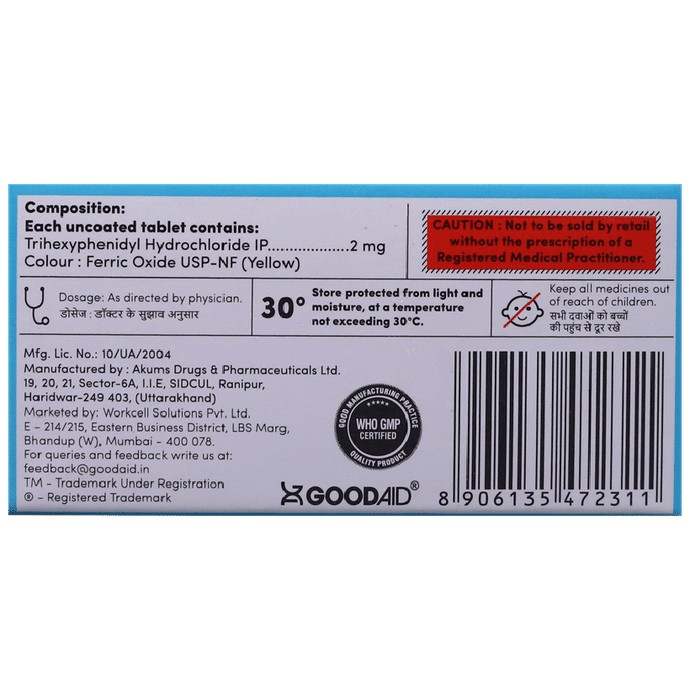
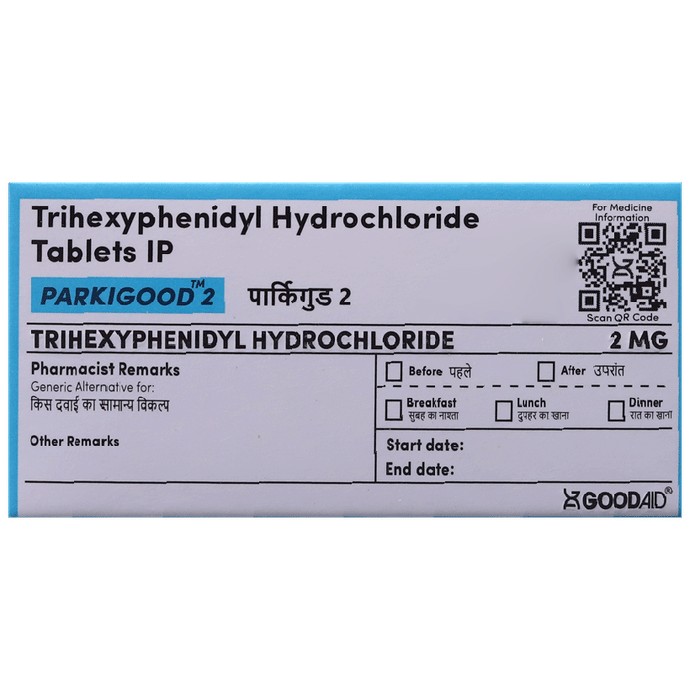
Salt Composition
Trihexyphenidyl (2mg)
Overview Parkigood 2 Tablet
Parkinson's disease and drug-induced movement disorders are treated with Parkigood 2 Tablet, used in conjunction with other medications. Optimal absorption and minimized side effects are achieved by taking it on an empty stomach, consistently at the same time daily. Follow your doctor's prescribed dosage and duration; if a dose is missed, take it immediately upon remembering. Complete the entire course, even with symptom improvement, and never discontinue abruptly without consulting your physician, as this may exacerbate symptoms. Nausea, vomiting, constipation, blurred vision, dizziness, and drowsiness are possible side effects. Refrain from driving or mentally demanding activities until the drug's effects are known. Dry mouth is common; alleviate this with frequent rinsing, good oral hygiene, and increased fluid intake. Contact lens use should be avoided due to potential dry eye. Inform your doctor about glaucoma or urinary difficulties. Prior to using Parkigood 2 Tablet, disclose any history of heart disease, urinary problems, liver or kidney disease, and all other medications currently in use. Pregnant or breastfeeding individuals must seek medical advice before commencing treatment.
Uses of Parkigood 2 Tablet
Managing Parkinson's disease and drug-induced dyskinesia.
Major Benefits of Parkigood 2 Tablet:
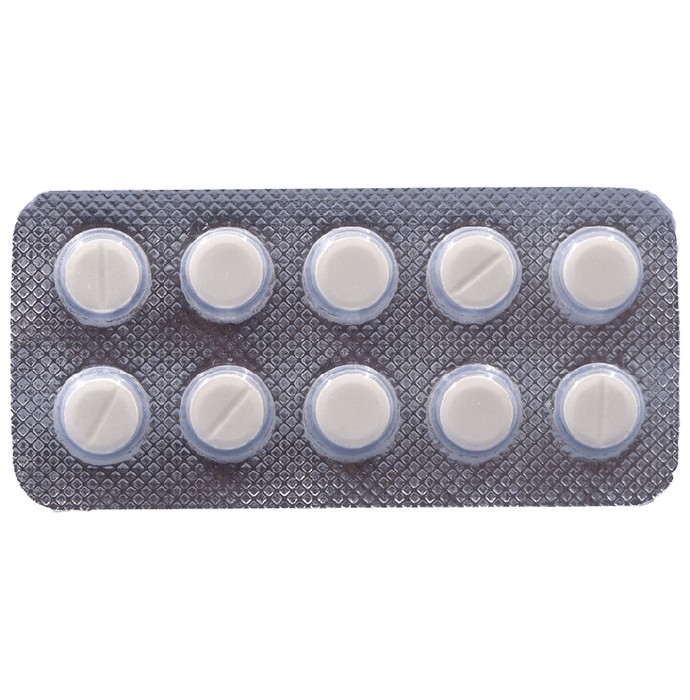
Consume Parkigood 2 Tablet as directed by your physician, adhering precisely to the prescribed dosage and timeframe. Ingest the tablet whole; avoid chewing, crushing, or fracturing it. Administer on an empty stomach.
Common Side effects of Parkigood 2 Tablet:
- Nausea
- Vomiting
- Constipation
- Blurred vision
How to use Parkigood 2 Tablet:
Administer this medication precisely as prescribed by your physician, adhering to the recommended dosage and treatment schedule. Ingest the tablet whole; avoid chewing, crushing, or fracturing it. Consume Parkigood 2 Tablet on an empty stomach.
How Parkigood 2 Tablet works:
Parkigood 2 tablets contain an anticholinergic agent that modulates brain chemistry. By reducing acetylcholine levels, it enhances motor control, alleviating rigidity associated with Parkinson's disease. Furthermore, it mitigates movement abnormalities, such as akathisia and dystonia, that may arise from other medications.
SAFETY ADVICE
 AlcoholUNSAFE
Concurrent use of Parkigood 2 Tablet and alcohol may result in significant sleepiness.
 PregnancyCONSULT YOUR DOCTOR
The use of Parkigood 2 Tablet during pregnancy may pose risks. While human research is scarce, animal studies indicate potential harm to the fetus. A physician will assess the advantages against potential hazards prior to prescription. Seek medical advice.
 Breast feedingCONSULT YOUR DOCTOR
Lactation and Parkigood 2 Tablet use are likely incompatible. Available human data indicate potential transfer of the medication into breast milk, posing a possible risk to the infant.
 DrivingUNSAFE
Taking Parkigood 2 Tablet may induce drowsiness, blurred vision, and dizziness, potentially impairing alertness. Driving is inadvisable if these side effects manifest. In some instances, Parkigood 2 Tablet may also cause mild nausea and cognitive impairment, further compromising driving ability.
 KidneyCONSULT YOUR DOCTOR
Insufficient data exists regarding Parkigood 2 Tablet use in individuals with renal impairment. Medical supervision is advised. Close monitoring by a physician is necessary for patients with kidney disease receiving this medication.
 LiverCONSULT YOUR DOCTOR
Data regarding Parkigood 2 Tablet use in individuals with hepatic impairment is scarce. Physician consultation is advised.
What if you forget to take Parkigood 2 Tablet :
Should you forget a Parkigood 2 Tablet dose, take it immediately. If, however, your next dose is imminent, omit the missed dose and resume your usual dosing regimen. Never take a double dose.
Facts to Know About Parkigood 2 Tablet
| Label | Value |
|---|---|
| Chemical Type | Aralkylamine derivative |
| Developing Habits | No. |
| Treatment Category | Neuroscience (Central Nervous System) |
 3,018 People bought this recently