


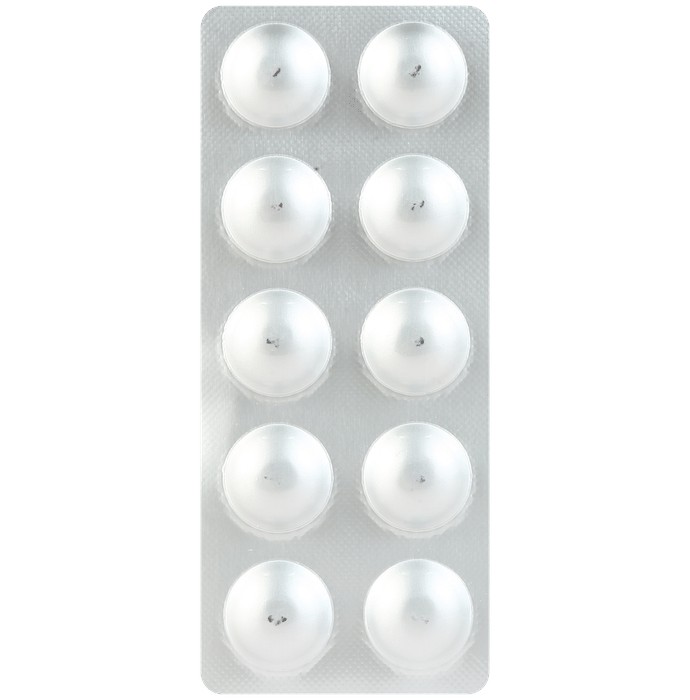
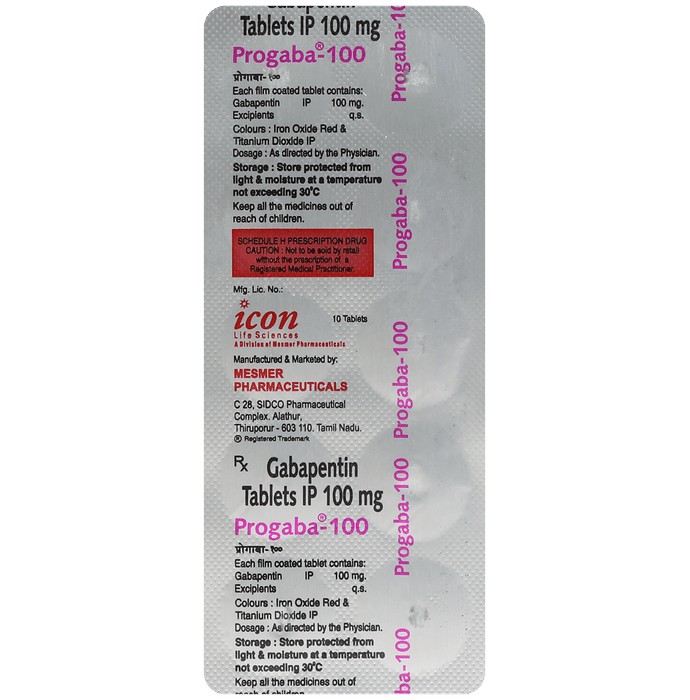
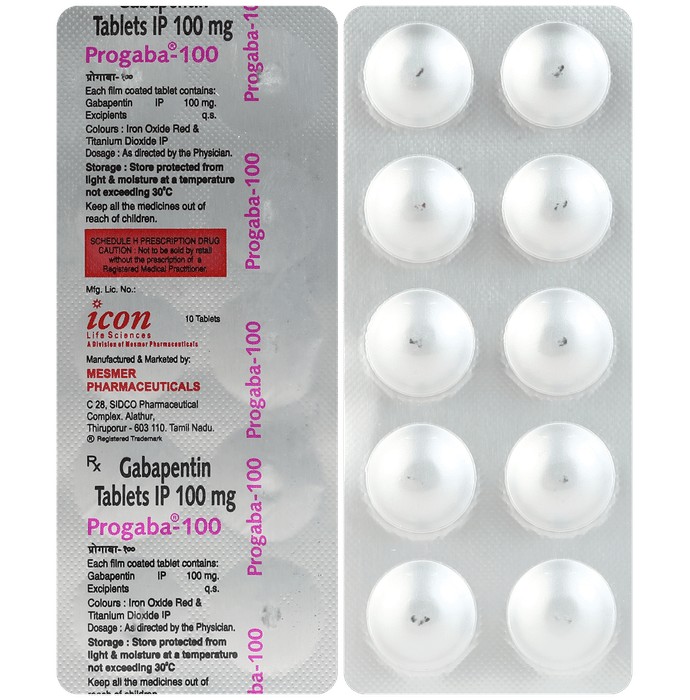
Progaba 100mg Tablet

Marketer
Icon Life Sciences
Salt Composition
Gabapentin (100mg)
Overview Progaba 100mg Tablet
Gabapentin 100mg tablets alleviate neuropathic pain stemming from conditions such as diabetes, shingles, or spinal cord injuries. This anti-seizure medication, often used in conjunction with other treatments, manages certain seizure types. Administer this medication with or without food, maintaining consistent daily timing for optimal efficacy. Dosage and treatment length are individualized, typically starting low and gradually increasing. Therapeutic effects may take several weeks to fully manifest. Strict adherence to your physician's instructions is crucial; missed doses can exacerbate symptoms. While generally well-tolerated, common mild side effects include drowsiness, dizziness, and fatigue, usually resolving spontaneously. Consult your doctor if side effects persist or are concerning. Alcohol consumption should be avoided due to the risk of increased sedation. Report any unusual mood shifts, including anxiety, agitation, depression, or suicidal ideation, immediately. Inform your doctor of kidney issues or age over 65, as dosage adjustments may be necessary. Pregnant, breastfeeding, or intending to conceive women should seek medical advice before use.
Uses of Progaba 100mg Tablet
Managing neuropathic pain and epileptic seizures.
Major Benefits of Progaba 100mg Tablet:
Administer this medication precisely as prescribed by your physician, adhering to both the dosage and treatment duration. Ingest the tablet whole; avoid chewing, crushing, or fracturing it. Progaba 100mg Tablets can be consumed with or without food, although consistent timing is recommended.
Common Side effects of Progaba 100mg Tablet:
- Viral infection
- Sleepiness
- Dizziness
- Impaired coordination
- Fatigue
- Fever
How to use Progaba 100mg Tablet:
Follow your doctor's instructions precisely regarding dosage and treatment length for this medication. Ingest the 100mg Progaba tablet whole; avoid chewing, crushing, or breaking it. While it can be taken with or without food, consistency in timing is recommended.
How Progaba 100mg Tablet works:
Gabapentin 100mg tablets are prescribed to manage seizures associated with epilepsy, believed to function by mitigating excessive electrical impulses within the brain. This medication also offers relief from neuropathic pain, achieving this by disrupting the transmission of pain signals along compromised nerves and to the brain.
SAFETY ADVICE
 AlcoholUNSAFE
Concurrent use of Progaba 100mg tablets and alcohol may result in heightened sleepiness.
 PregnancyCONSULT YOUR DOCTOR
Use of Progaba 100mg tablets during pregnancy may pose risks. While human data is scarce, animal research indicates potential harm to the fetus. A physician will assess the potential benefits against possible risks prior to prescription. Seek medical advice.
 Breast feedingSAFE IF PRESCRIBED
Breastfeeding mothers can likely use Progaba 100mg tablets without significant risk to their infants. Available data indicates minimal danger to the baby. However, infants should be observed for increased drowsiness and weight changes.
 DrivingUNSAFE
Taking a Progaba 100mg Tablet might reduce alertness, impair vision, and cause drowsiness or dizziness. Driving should be avoided if these effects are experienced.
 KidneyCAUTION
Patients with kidney impairment should use Progaba 100mg Tablets cautiously; dosage modification may be necessary. Physician consultation is advised.
 LiverCONSULT YOUR DOCTOR
Insufficient data exists regarding Progaba 100mg Tablet's use in individuals with hepatic impairment. Physician consultation is advised.
What if you forget to take Progaba 100mg Tablet :
Should you forget to take a Progaba 100mg Tablet, administer it immediately. Nevertheless, if your next scheduled dose is imminent, omit the missed dose and resume your usual dosing regimen. Avoid taking a double dose.
Facts to Know About Progaba 100mg Tablet
| Label | Value |
|---|---|
| Chemical Type | Gamma-aminobutyric acid derivatives |
| Developing Habits | No. |
| Treatment Category | Neuroscience of the Central Nervous System |
| Actions | Alpha-2 delta receptor ligands |
 3,018 People bought this recently