


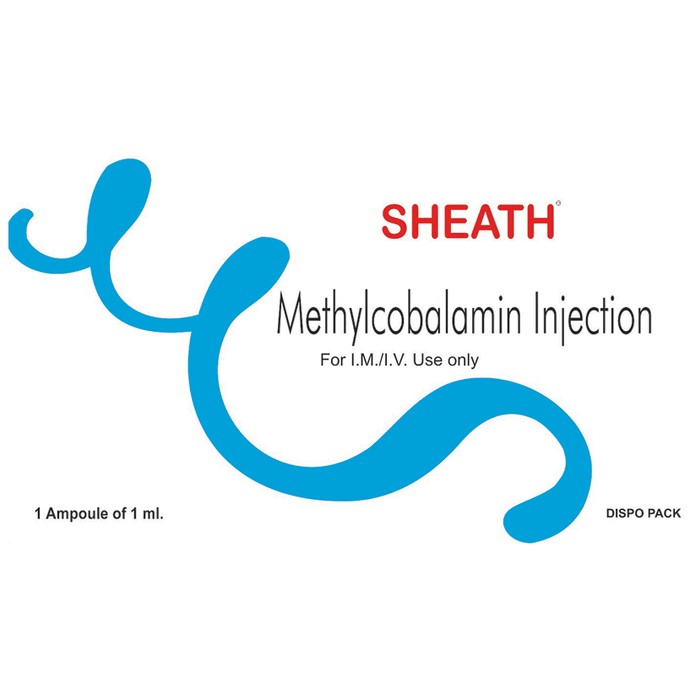
Sheath Injection

Marketer
Entrust Healthcare Pvt Ltd
Salt Composition
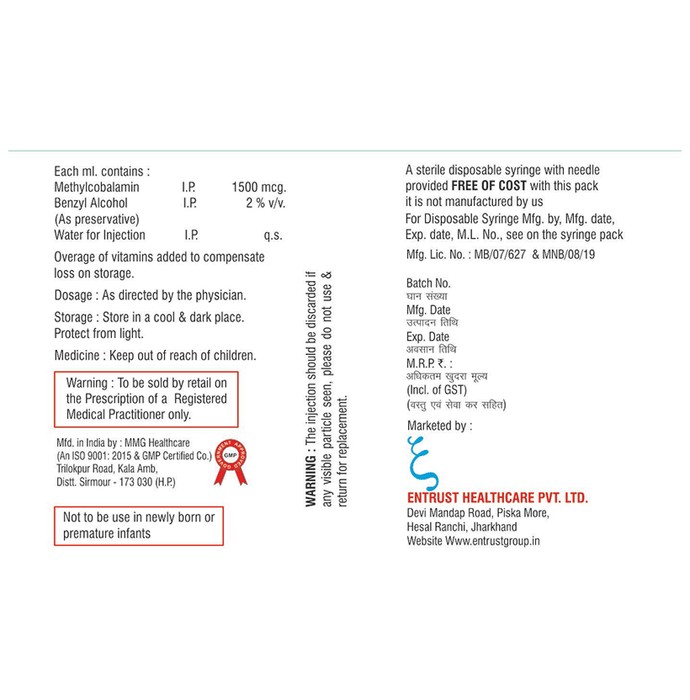
Methylcobalamin (1500mcg)
Overview Sheath Injection
Synthetic vitamin B12, administered via injection, addresses bodily B12 deficiencies. Essential for cell growth, replication, hematopoiesis, and protein/tissue synthesis, it also combats anemia, fatigue, and peripheral neuropathy. Adhere strictly to your physician's prescribed dosage and regimen, maintaining consistent daily administration for optimal results. This treatment may complement dietary modifications and other therapies; consult resources on B12-rich foods. Generally well-tolerated, Sheath Injection rarely produces adverse effects. However, inform your doctor of all concurrent medications, as some may interfere with B12 absorption. Prior to treatment, disclose any pre-existing conditions, including Leber's hereditary optic neuropathy, hepatic impairment, or renal dysfunction, to ensure safe usage.
Primary Ingredients of Sheath Injection
No information provided. A rephrased version cannot be created.
Uses of Sheath Injection
Inadequate levels of cobalamin
Major Benefits of Sheath Injection:
This medication will be administered by your healthcare provider; self-medication is strictly prohibited.
Common Side effects of Sheath Injection:
- No common side effects seen
How to use Sheath Injection:
Administering this medication will be handled by your healthcare provider. Self-medication is strongly discouraged.
How Sheath Injection works:
Administering vitamin B12 via injection replenishes bodily stores, aiding in the treatment of specific anemias and neurological conditions.
SAFETY ADVICE
 AlcoholCONSULT YOUR DOCTOR
Alcohol consumption alongside Sheath Injection is unstudied regarding safety. Seek medical advice before combining them.
 PregnancyCONSULT YOUR DOCTOR
Administering Sheath Injection during pregnancy may pose risks. While human research is scarce, animal studies indicate potential harm to the fetus. A physician will assess the advantages against potential dangers prior to prescribing. Physician consultation is advised.
 Breast feedingCONSULT YOUR DOCTOR
Administering Sheath Injection while breastfeeding is likely inadvisable. Preliminary data from human studies indicate potential transfer of the medication into breast milk, posing a possible risk to the infant.
 DrivingCONSULT YOUR DOCTOR
Driving ability may be affected by Sheath Injection; however, this effect is currently undetermined. Refrain from driving if experiencing symptoms impairing concentration or reaction time.
 KidneyCONSULT YOUR DOCTOR
Data regarding Sheath Injection use in individuals with renal impairment is scarce. Physician consultation is advised.
 LiverCONSULT YOUR DOCTOR
Insufficient data exists regarding the use of Sheath Injection in individuals with hepatic impairment. Physician consultation is recommended.
What if you forget to take Sheath Injection :
Should you forget a Sheath Injection dose, administer it promptly. However, if your next dose is imminent, omit the missed dose and resume your usual dosing regimen. Never take a double dose.
Facts to Know About Sheath Injection
| Label | Value |
|---|---|
| Chemical Classification | Vitamin B12 Analog |
| Developing Habits | No. |
| Treatment Category | Essential Nutrients |
 3,018 People bought this recently