


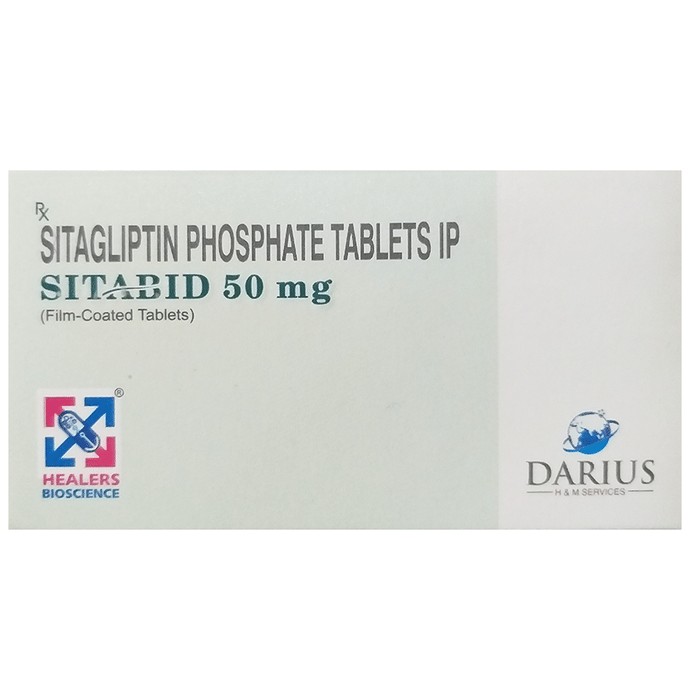
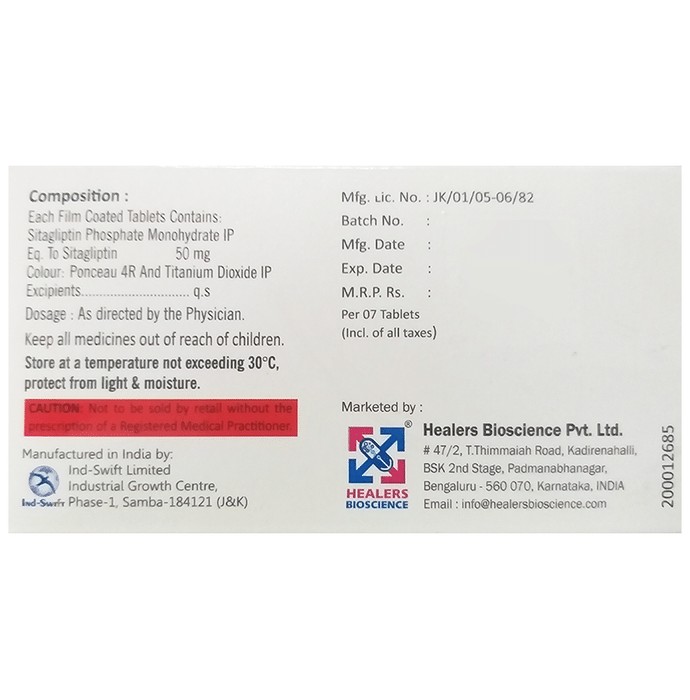
Sitabid Tablet

Marketer
Darius- Healers Bioscience Pvt Ltd
Salt Composition
Sitagliptin (50mg)
Overview Sitabid Tablet
Diabetol is an oral medication employed in the management of type 2 diabetes. It works in conjunction with a balanced diet and regular physical activity to regulate blood glucose levels, thereby mitigating the risk of severe diabetic complications such as nephropathy and vision impairment. Diabetol is typically prescribed when dietary and exercise modifications, or other medications, fail to adequately control blood sugar. Your physician may prescribe it as monotherapy or in combination with other antidiabetic agents. Administration can be with or without food. Dosage is individualized based on your health status and blood sugar readings; therefore, strictly adhere to your doctor's instructions. Consistent daily dosing at the same time maximizes therapeutic benefits; cessation should only occur upon your doctor's recommendation. This medication aids in blood sugar control and prevents future complications. Maintaining the prescribed diet and exercise plan is crucial for effective diabetes management; lifestyle choices significantly influence disease control. The most prevalent adverse effect is headache, generally mild and transient. Hypoglycemia is a potential side effect, particularly when used concurrently with insulin or sulfonylureas; learn to identify and manage hypoglycemic episodes. Upper respiratory infections, including sore throat, cough, and common cold, may also occur. Report any concerning or persistent side effects to your doctor. Prior to commencing Diabetol, inform your physician of any pre-existing kidney disease, cardiac or pancreatic conditions, or significant alcohol consumption. Pregnant or lactating individuals should seek medical advice before use. Drug interactions are possible; therefore, disclose all medications currently being taken. Restrict alcohol intake while on this medication as it can heighten the risk of hypoglycemia. Regular monitoring, including kidney function and blood glucose levels, may be necessary to assess treatment efficacy.
Uses of Sitabid Tablet
Managing Type 2 Diabetes
Major Benefits of Sitabid Tablet:
Follow your doctor's instructions precisely regarding dosage and treatment length for Sitabid Tablet. Ingest the tablet whole; do not crush, chew, or divide it. While Sitabid Tablet can be taken with or without food, consistent timing is recommended for optimal results.
Common Side effects of Sitabid Tablet:
- Nasopharyngitis (inflammation of the throat and nasal passages)
- Headache
- Hypoglycemia (low blood glucose level)
How to use Sitabid Tablet:
Consume this medication precisely as your physician directs, adhering to both the prescribed dosage and treatment length. Ingest the tablet whole; avoid chewing, crushing, or fracturing it. Sitabid Tablet can be administered with or without food, however, consistent daily timing is recommended for optimal results.
How Sitabid Tablet works:
Sitabid tablets manage diabetes by stimulating insulin secretion from the pancreas and suppressing hyperglycemic hormones. This action lowers both fasting and postprandial glucose concentrations.
SAFETY ADVICE
 AlcoholUNSAFE
Combining Sitabid Tablet with alcohol is inadvisable.
 PregnancyCONSULT YOUR DOCTOR
Data on Sitabid Tablet use in pregnancy are lacking. Seek your physician's advice.
 Breast feedingCONSULT YOUR DOCTOR
Use of Sitabid Tablet while breastfeeding is likely inadvisable. Available human data indicates potential transfer of the medication into breast milk, posing a possible risk to the infant.
 DrivingCAUTION
Driving may be impaired by excessively low or high blood sugar levels. Refrain from driving if you experience these conditions.
 KidneyCAUTION
Patients with severe kidney impairment should use Sitabid Tablet cautiously. Dosage modification may be necessary; physician consultation is advised.
 LiverSAFE IF PRESCRIBED
Sitabid Tablet appears to be well-tolerated in individuals with liver disease. Existing evidence indicates dose modification may not be necessary for these patients. Physician consultation is advised. Nevertheless, Sitabid Tablet lacks sufficient study in patients exhibiting severe hepatic dysfunction and is therefore contraindicated in this population.
What if you forget to take Sitabid Tablet :
Should you forget a Sitabid Tablet dose, take it immediately. If, however, your next dose is imminent, omit the missed one and resume your usual dosing pattern. Never take a double dose.
Facts to Know About Sitabid Tablet
| Label | Value |
|---|---|
| Chemical Category | Pyrazine derivative |
| Developing Habits | No. |
| Treatment Category | Diabetes Management |
| Behavior Class | Dipeptidyl peptidase-4 inhibitors |
 3,018 People bought this recently