Search Icon

AUM Pharmacy

Hi there!

Hello, Login
All Categories
VisaVisaVisa
slide-0
slide-1
slide-2

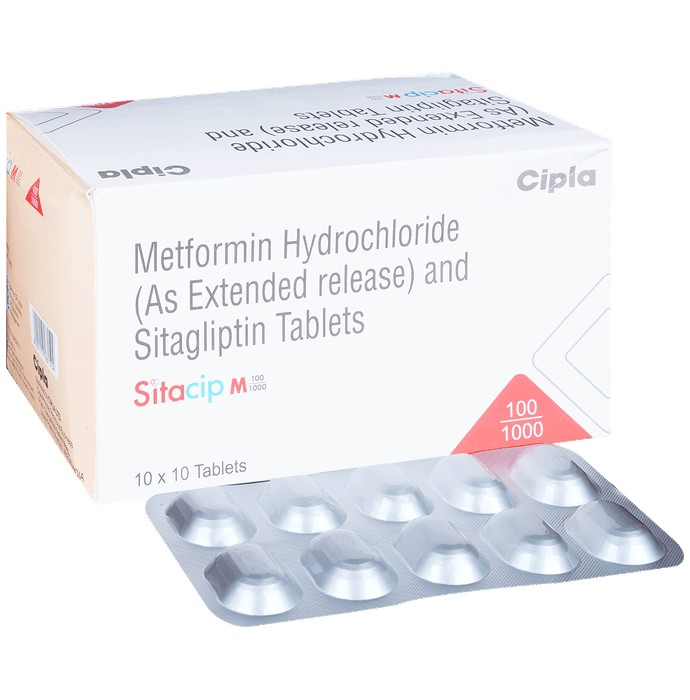
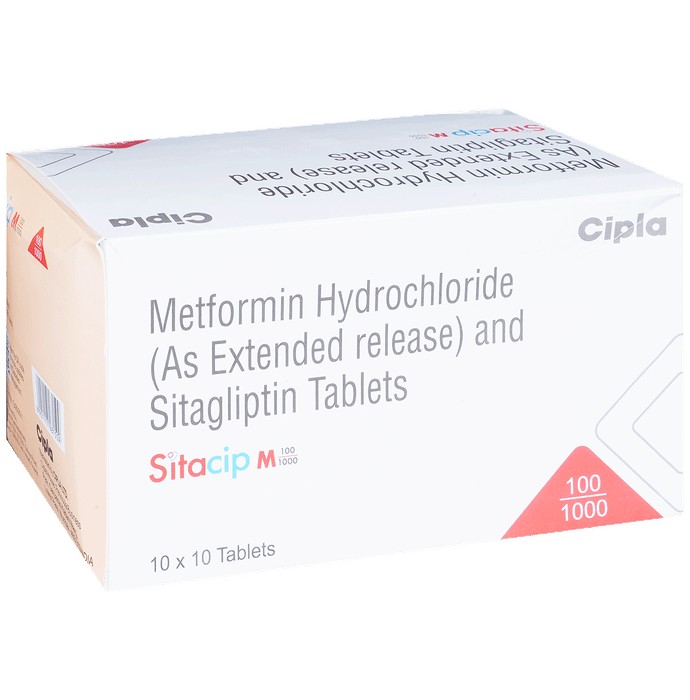
Sitacip M 100/1000 Tablet ER

Prescription Icon
Prescription Required

Marketer

Cipla Ltd

Salt Composition

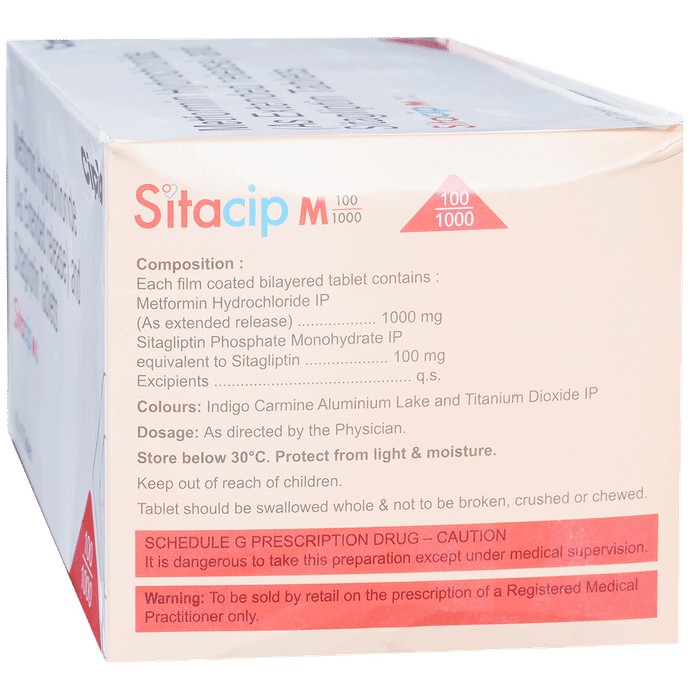
Sitagliptin (100mg) + Metformin (1000mg)

Overview Sitacip M 100/1000 Tablet ER

Diabex Duo 100/1000 Extended-Release tablets combine two medications to manage elevated blood glucose in individuals with type 2 diabetes. This dual action helps prevent serious diabetic complications like vision loss and kidney disease, potentially lowering the risk of stroke or heart attack. Diabex Duo 100/1000 ER may be used independently or in conjunction with other diabetes treatments. Optimal results are achieved with a balanced diet and regular physical activity. Dosage is personalized based on your health status, blood sugar readings, and current medications. Consuming it with food minimizes stomach upset. Consistent daily dosing at the same time maximizes effectiveness; discontinuation should only occur under your physician's guidance. Adherence to the prescribed diet and exercise plan is crucial for successful diabetes management; lifestyle significantly impacts control. Common side effects include nausea, vomiting, diarrhea, abdominal discomfort, headache, and sore throat. Low blood sugar (hypoglycemia) is a potential side effect, particularly when combined with insulin or sulfonylureas; learn to recognize and treat this condition. This medication isn't suitable for everyone. Inform your doctor of any pre-existing kidney, liver, heart, or pancreatic issues, or significant alcohol consumption before starting treatment. Pregnant or breastfeeding individuals require medical consultation prior to use. Interactions with other medications are possible; disclose all medications to your doctor to ensure safety. Alcohol should be limited due to its blood sugar-lowering effect. Your doctor will monitor kidney function and blood glucose levels throughout your treatment.

Primary Ingredients of Sitacip M 100/1000 Tablet ER

No text provided. Please provide the text you wish to be rewritten.

Uses of Sitacip M 100/1000 Tablet ER

Managing Type 2 Diabetes

Major Benefits of Sitacip M 100/1000 Tablet ER:

Consume this medication precisely as prescribed by your physician, adhering to both the dosage and treatment length. Ingest the entire tablet without chewing, crushing, or breaking it. It's recommended to take Sitacip M 100/1000 Tablet ER with a meal.

Common Side effects of Sitacip M 100/1000 Tablet ER:

  • Decreased appetite
  • Vomiting
  • Upper respiratory tract infection
  • Hypoglycemia (low blood glucose level)
  • Abdominal bloating
  • Nausea
  • Diarrhea

How to use Sitacip M 100/1000 Tablet ER:

Follow your doctor's instructions precisely regarding dosage and treatment length for this medication. Ingest the Sitacip M 100/1000 Tablet ER whole; do not crush, chew, or divide it. Administer this extended-release tablet with a meal.

How Sitacip M 100/1000 Tablet ER works:

Sitagliptin and metformin, combined as Sitacip M 100/1000 ER tablets, offer enhanced blood glucose management. Sitagliptin boosts insulin production from the pancreas, improves insulin utilization, and decreases hepatic glucose output. Metformin, a biguanide, acts by reducing liver glucose production, slowing intestinal glucose absorption, and increasing insulin sensitivity. This dual-action approach leads to superior blood sugar regulation.

SAFETY ADVICE

AlcoholAlcoholUNSAFE

Consuming alcohol alongside Sitacip M 100/1000 Tablet ER poses a safety risk.

PregnancyPregnancyCONSULT YOUR DOCTOR

Extended-release Sitacip M 100/1000 tablets might pose risks during pregnancy. While human data is scarce, animal research indicates potential harm to a developing fetus. A physician will assess the potential advantages against any possible hazards prior to prescribing. Seek medical advice.

Breast feedingBreast feedingCONSULT YOUR DOCTOR

Extended-release Sitacip M 100/1000 tablets are likely unsafe for breastfeeding mothers. Available human data indicates potential transfer to breast milk, posing a risk to the infant.

DrivingDrivingCAUTION

Driving ability can be impaired by both hypoglycemia and hyperglycemia. Refrain from driving if you experience these conditions.

KidneyKidneyCAUTION

Patients with kidney impairment should use Sitacip M 100/1000 Tablet ER cautiously, potentially requiring dosage modification. Physician consultation is recommended. This medication is contraindicated for individuals with severe kidney disease. Regular kidney function monitoring is advised during treatment.

LiverLiverUNSAFE

Extended-release Sitacip M 100/1000 tablets are likely unsuitable for individuals with hepatic impairment and should be avoided. Seek medical advice before use.

What if you forget to take Sitacip M 100/1000 Tablet ER :

Should you forget a dose of Sitacip M 100/1000 Extended-Release Tablet, take it immediately. Nevertheless, if your next scheduled dose is imminent, omit the missed dose and resume your usual dosing regimen. Never take more than the prescribed amount.

Facts to Know About Sitacip M 100/1000 Tablet ER

LabelValue
Developing Good Habits No.
Type of Therapy Diabetes Management

FAQs on Sitacip M 100/1000 Tablet ER

Sitacip M 100/1000 ER tablets combine sitagliptin and metformin to manage type 2 diabetes in adults. This combination improves blood sugar control when used with diet and exercise. Metformin reduces liver glucose production and enhances insulin sensitivity, while sitagliptin boosts insulin release by inhibiting DPP-4. This medication is not suitable for individuals under 18.
Prolonged use of Sitacip M 100/1000 Tablet ER can lead to vitamin B12 deficiency by hindering its absorption in the stomach. This deficiency may cause anemia, nerve damage (manifesting as tingling, numbness in extremities, weakness, and urinary issues), and cognitive changes (including balance problems). To mitigate these risks, annual supplemental vitamin B12 is recommended by some researchers.
Sitacip M 100/1000 Tablet ER may cause common side effects such as hypoglycemia, altered taste, nausea, stomach pain, diarrhea, headache, and upper respiratory infection. Rare but serious side effects include lactic acidosis. Prolonged use can also result in vitamin B12 deficiency.
Patients with allergies to Sitacip M 100/1000 Tablet ER components or excipients, or those with severe kidney or liver impairment, congestive heart failure, lactic acidosis, or diabetic ketoacidosis should not use this medication.
Combining Sitacip M 100/1000 Tablet ER with alcohol is unsafe and may heighten the risk of lactic acidosis.
Store this medication in its original, tightly closed container, following the storage instructions on the label. Discard any unused medication and keep it out of reach of children, pets, and others.
Sitagliptin/Metformin (Sitacip M 100/1000 Tablet ER) can cause lactic acidosis, a serious medical emergency characterized by excessive blood lactic acid (also known as Metformin-associated lactic acidosis or MALA). This rare side effect necessitates avoiding use in patients with kidney disease, the elderly, or those consuming significant alcohol. Symptoms include muscle pain/weakness, dizziness, fatigue, cold extremities, shortness of breath, nausea, vomiting, abdominal pain, and bradycardia. If these occur, discontinue Sitagliptin/Metformin and seek immediate medical attention.
Sitacip M 100/1000 ER tablets combine sitagliptin and metformin to manage type 2 diabetes in adults. This combination improves blood sugar control when used with diet and exercise. Metformin reduces liver glucose production and enhances insulin sensitivity, while sitagliptin increases insulin release by inhibiting DPP-4. This medication is not suitable for individuals under 18.
Sitacip M 100/1000 Tablet ER may cause common side effects such as hypoglycemia, taste changes, nausea, stomach pain, diarrhea, headache, and upper respiratory infections. Rare but serious side effects include lactic acidosis. Prolonged use can also result in vitamin B12 deficiency.
Patients with known allergies to Sitacip M 100/1000 Tablet ER components or excipients, or those with severe kidney or liver impairment, congestive heart failure, lactic acidosis, or diabetic ketoacidosis should not use this medication.
Combining alcohol and Sitacip M 100/1000 Tablet ER is unsafe and may heighten the risk of lactic acidosis.
Sitagliptin/Metformin (Sitacip M 100/1000 Tablet ER) can cause lactic acidosis, a serious, potentially life-threatening buildup of lactic acid in the blood (also known as MALA – Metformin-associated lactic acidosis). This rare side effect is more likely in patients with kidney disease, older adults, or those who consume excessive alcohol. Symptoms include muscle pain or weakness, dizziness, fatigue, cold extremities, shortness of breath, nausea, vomiting, abdominal pain, and slow heart rate. If you experience these, discontinue Sitagliptin/Metformin and seek immediate medical attention.
Prolonged use of Sitacip M 100/1000 Tablet ER can lead to vitamin B12 deficiency by hindering its absorption. This deficiency may cause anemia, nerve damage (manifesting as tingling, numbness in extremities, weakness, urinary issues, cognitive changes, and ataxia), if left unaddressed. To mitigate this risk, annual supplemental vitamin B12 is recommended by some researchers.
Store this medication in its original, tightly closed container, following the storage instructions on the packaging. Discard any unused medication and keep it out of reach of children, pets, and others.
Sitacip M 100/1000 ER tablets combine sitagliptin and metformin to manage type 2 diabetes in adults. This combination improves blood sugar control when used with diet and exercise. Metformin reduces liver glucose production and enhances insulin sensitivity, while sitagliptin boosts insulin release by inhibiting DPP-4. It's not suitable for individuals under 18.
Sitacip M 100/1000 Tablet ER may cause common side effects such as low blood sugar (hypoglycemia), taste changes, nausea, stomach pain, diarrhea, headache, and upper respiratory infections. Rare but serious side effects include lactic acidosis. Prolonged use can also result in vitamin B12 deficiency.
Patients with known allergies to Sitacip M 100/1000 Tablet ER components or excipients, or those with severe kidney or liver impairment, congestive heart failure, lactic acidosis, or diabetic ketoacidosis should not use this medication.
Combining alcohol and Sitacip M 100/1000 Tablet ER is unsafe and may raise your risk of lactic acidosis.
Sitagliptin/Metformin (Sitacip M 100/1000 Tablet ER) can cause lactic acidosis, a serious medical emergency characterized by excessive blood lactic acid (also known as Metformin-Associated Lactic Acidosis or MALA). This rare side effect necessitates avoiding the drug in patients with kidney disease, the elderly, or those who consume significant amounts of alcohol. Symptoms include muscle pain/weakness, dizziness, fatigue, cold extremities, shortness of breath, nausea, vomiting, abdominal pain, and bradycardia. If these occur, discontinue Sitagliptin/Metformin and seek immediate medical attention.
Prolonged Sitacip M 100/1000 Tablet ER use can lead to vitamin B12 deficiency by hindering its absorption. This deficiency, if left unaddressed, may result in anemia, nerve damage (manifesting as numbness, tingling in extremities, weakness, and balance problems), urinary issues, and cognitive changes. To mitigate this risk, annual supplemental vitamin B12 is recommended by some researchers.
Store this medication in its original, tightly closed container, following the storage instructions on the label. Discard any unused medication and keep it out of reach of children, pets, and others.
Sitacip M 100/1000 Tablet...
137
MRP 159
13% off
