


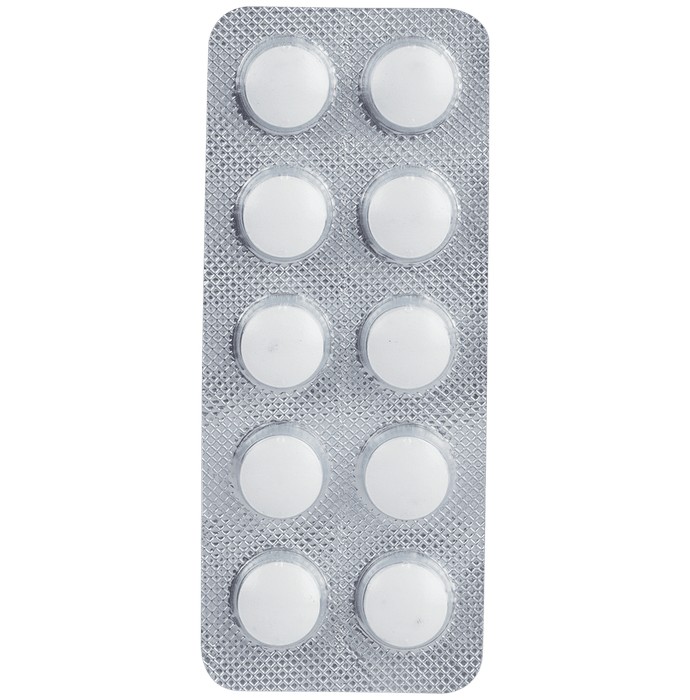
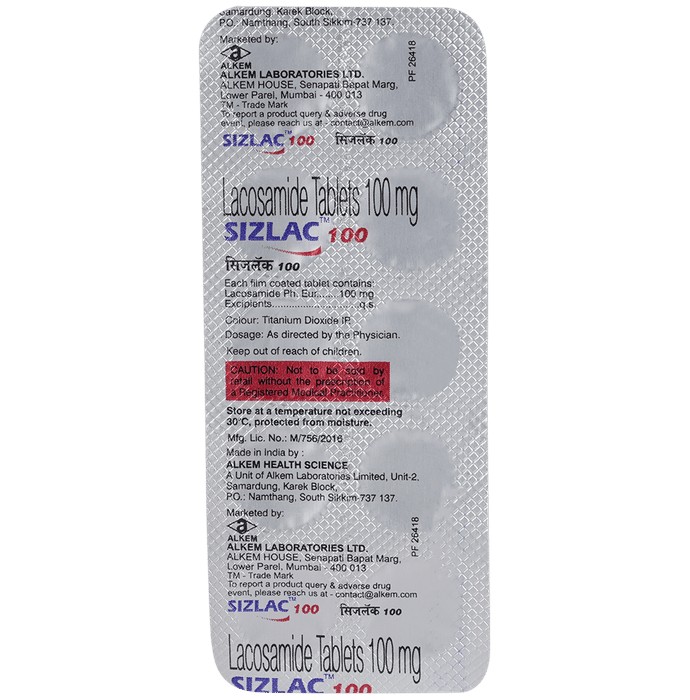
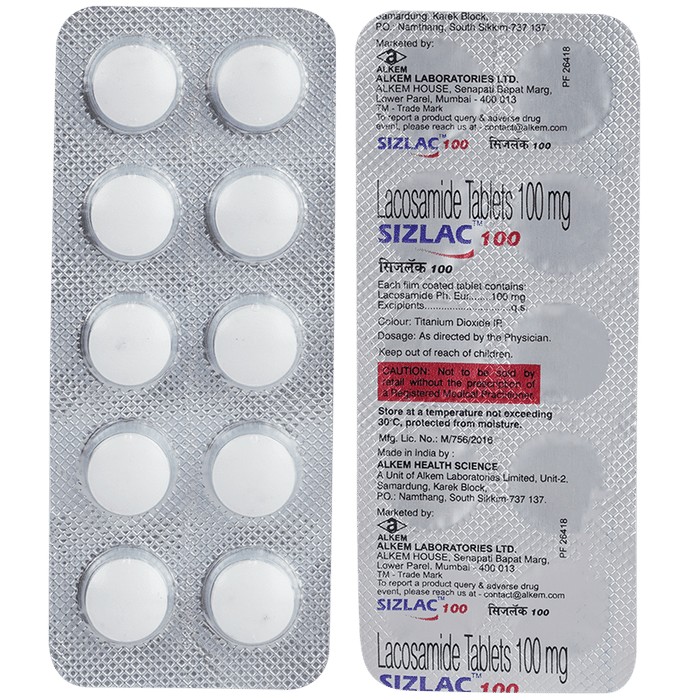
Sizlac 100mg Tablet

Marketer
Alkem Laboratories Ltd
Salt Composition
Lacosamide (100mg)
Overview Sizlac 100mg Tablet
Epileptic seizures are managed and prevented with the anticonvulsant, Sizlac 100mg tablets. These tablets reduce excessive neuronal firing in the brain, thus controlling fits. Sizlac 100mg can be ingested with or without food, ideally at the same time daily. Missed doses should be taken immediately upon recall; failure to do so can be dangerous, hence maintaining a reserve supply is advisable. Complete the prescribed course, even with symptom improvement; discontinuation should only occur under medical supervision, as it could increase seizure frequency. Pre-existing cardiac issues require disclosure to your physician prior to commencing treatment. Potential side effects include headaches, dizziness, dry mouth, muscle stiffness, visual blurring, nausea, and double vision (diplopia). Many resolve spontaneously; however, weight gain is a possibility, necessitating mindful eating and regular exercise.
Primary Ingredients of Sizlac 100mg Tablet
No information provided. Please provide the text you wish me to rephrase.
Uses of Sizlac 100mg Tablet
Convulsive disorders
Major Benefits of Sizlac 100mg Tablet:
Administer this medication precisely as directed by your physician, adhering to both the prescribed dosage and treatment duration. Ingest the tablet whole; avoid chewing, crushing, or fracturing it. The Sizlac 100mg Tablet can be consumed with or without food, though consistent timing is recommended.
Common Side effects of Sizlac 100mg Tablet:
- Dizziness
- Headache
- Nausea
- Sleepiness
- Vomiting
- Visual disturbance
- Dryness in mouth
- Muscle spasm
How to use Sizlac 100mg Tablet:
Administer this medication precisely as your physician directs, adhering to both the prescribed dosage and treatment length. Ingest the tablet whole; avoid chewing, crushing, or fracturing it. Sizlac 100mg Tablets can be consumed with or without food, though consistent timing is recommended.
How Sizlac 100mg Tablet works:
Epileptic seizures are managed by Sizlac 100mg tablets, an anticonvulsant drug. Its mechanism involves gradual inactivation of voltage-gated sodium channels, thus reducing hyperactivity within the brain's neuronal network and controlling convulsive episodes.
SAFETY ADVICE
 AlcoholCAUTION
Use of Sizlac 100mg Tablet with alcohol requires careful consideration. Seek medical advice before combining them.
 PregnancyCONSULT YOUR DOCTOR
The use of Sizlac 100mg tablets during pregnancy may pose risks. While human research is scant, animal studies indicate potential harm to the fetus. A physician will assess the potential benefits against any risks prior to prescription. Consult your doctor for advice.
 Breast feedingCONSULT YOUR DOCTOR
The use of Sizlac 100mg Tablet while breastfeeding is likely inadvisable. Available human data indicates a potential for the medication to transfer to breast milk, posing a risk to the infant.
 DrivingUNSAFE
Taking a 100mg Sizlac tablet might reduce alertness, impair vision, and induce drowsiness or dizziness. Driving is inadvisable if such effects are experienced. Sizlac 100mg tablets can lead to dizziness and blurred vision, potentially impacting driving capabilities.
 KidneyCAUTION
For individuals with severe kidney impairment, the use of Sizlac 100mg tablets requires careful monitoring. Dosage modification of Sizlac 100mg tablets might be necessary. Physician consultation is advised.
 LiverCAUTION
Patients with liver impairment should use Sizlac 100mg tablets cautiously, potentially requiring dosage modification under medical supervision. Sizlac 100mg tablets are contraindicated in patients exhibiting severe hepatic dysfunction.
What if you forget to take Sizlac 100mg Tablet :
Should you forget a Sizlac 100mg Tablet dose, administer it immediately. Nevertheless, if your next scheduled dose is imminent, omit the missed dose and resume your usual dosing regimen. Avoid taking a double dose.
Facts to Know About Sizlac 100mg Tablet
| Label | Value |
|---|---|
| Chemical Category | Amino Acid-Derived Compound |
| Developing Habits | No. |
| Treatment Category | Central Nervous System (CNS) |
| Actions | Sodium channel-blocking antiepileptic drugs |
 3,018 People bought this recently