


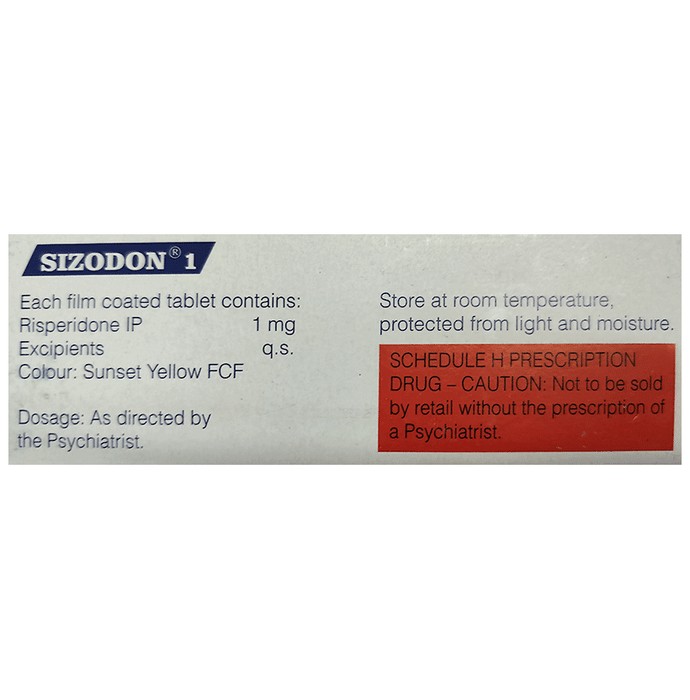
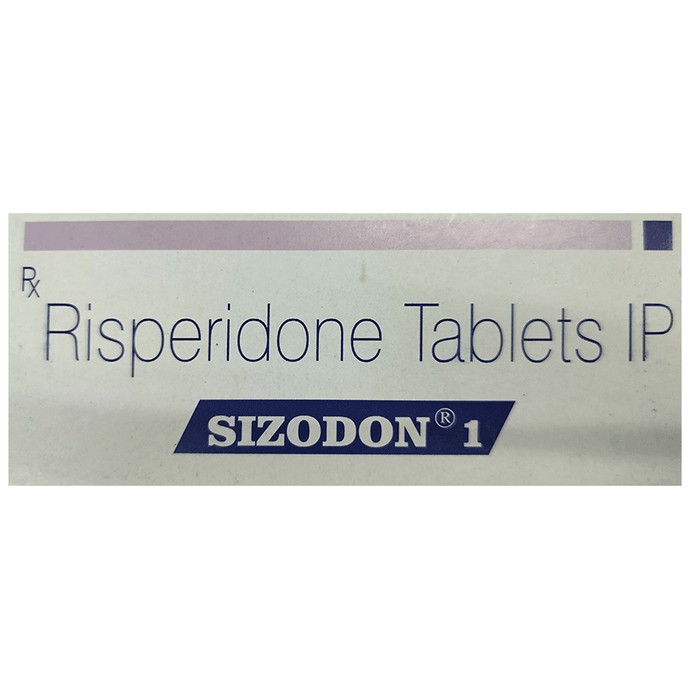
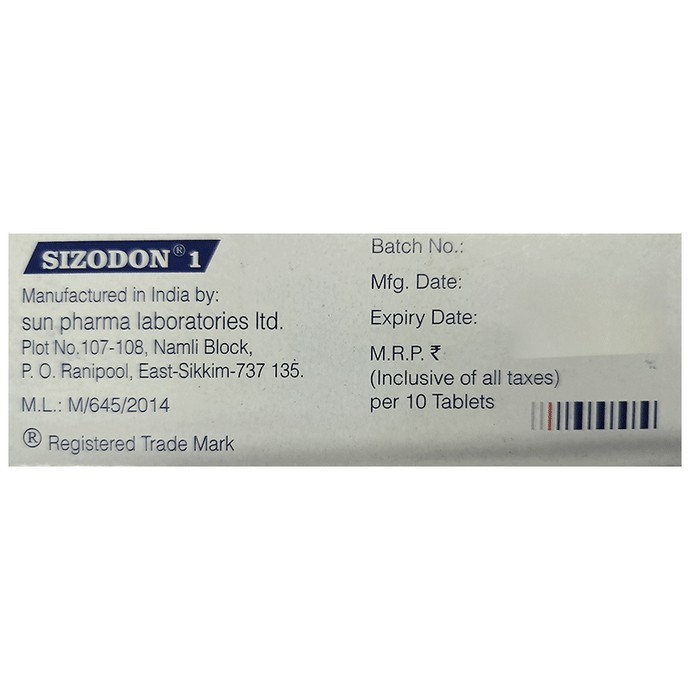
Sizodon 1 Tablet

Marketer
Sun Pharmaceutical Industries Ltd
Salt Composition
Risperidone (1mg)
Overview Sizodon 1 Tablet
Sulpiride 1mg tablets are indicated for managing schizophrenia (a severe mental illness causing distorted perceptions and disordered thinking) and manic episodes. Administer this medication with or without food, ideally at bedtime, but consistently at the same time daily for optimal blood levels. Follow your physician's prescribed dosage and regimen. If a dose is missed, take it immediately upon recollection. Never abruptly cease treatment without consulting your doctor, as this could exacerbate symptoms. Immediately discontinue if Neuroleptic malignant syndrome (NMS) occurs, signified by high fever, muscle stiffness, altered mental state, or convulsions. Common adverse reactions include sleep disturbances, drowsiness, nausea, cough, Parkinsonian symptoms, cephalalgia, and pyrexia. Initially, postural hypotension may occur; rise slowly from lying or sitting positions. Dizziness and somnolence are also possible; avoid driving or mentally demanding tasks until effects are known. Weight gain may be observed; a healthy diet and regular exercise can help mitigate this. This medication might increase the risk of diabetes; regular glucose monitoring is advisable. Report any unusual mood shifts, new or worsening depressive symptoms, or suicidal ideation to your doctor promptly.
Primary Ingredients of Sizodon 1 Tablet
No text provided. Please provide the text you would like me to rephrase.
Uses of Sizodon 1 Tablet
Managing Manic Episodes | Treating Schizophrenia
Major Benefits of Sizodon 1 Tablet:
Follow your doctor's instructions precisely regarding the dosage and treatment length for this medication. Ingest the tablet whole; do not crush, chew, or fracture it. Sizodon 1 Tablet can be administered with or without food, although consistent timing is recommended.
Common Side effects of Sizodon 1 Tablet:
- Headache
- Insomnia (difficulty in sleeping)
- Parkinsonism
- Drowsiness
- Sedation
- Vomiting
- Increased saliva production
- Cough
- Urinary tract infection
How to use Sizodon 1 Tablet:
Follow your doctor's instructions precisely regarding dosage and treatment length for this medication. Ingest the tablet whole; avoid chewing, crushing, or breaking it. Sizodon 1 may be administered with or without food, however, consistent timing is recommended.
How Sizodon 1 Tablet works:
One Sizodon tablet contains an atypical antipsychotic agent. Its mechanism of action involves modulating dopamine and serotonin neurotransmitter levels, thereby enhancing cognitive function, emotional stability, and behavioral control.
SAFETY ADVICE
 AlcoholUNSAFE
Concurrent use of Sizodon tablets and alcohol may induce pronounced somnolence.
 PregnancyCONSULT YOUR DOCTOR
Taking Sizodon 1 Tablet during pregnancy may pose risks. While human research is scant, animal studies indicate potential harm to the fetus. A physician will assess the advantages against possible dangers before prescribing. Consult your doctor for guidance.
 Breast feedingCONSULT YOUR DOCTOR
Breastfeeding mothers should likely avoid Sizodon. Available evidence indicates potential transfer of the drug into breast milk, posing a possible risk to the infant.
 DrivingUNSAFE
Taking one Sizodon tablet can reduce attentiveness, impair vision, and induce drowsiness or dizziness. Driving should be avoided if these effects are experienced.
 KidneyCAUTION
Patients with kidney impairment should use Sizodon 1 Tablet cautiously, potentially requiring dosage modification. A physician's consultation is recommended.
 LiverCAUTION
Patients with hepatic impairment should use Sizodon 1 Tablet cautiously; dosage modification may be necessary. Physician consultation is advised.
What if you forget to take Sizodon 1 Tablet :
Should you forget a Sizodon 1 Tablet dose, administer it promptly. Nevertheless, if your next dose is imminent, omit the missed dose and resume your usual dosing regimen. Avoid taking a double dose.
Facts to Know About Sizodon 1 Tablet
| Label | Value |
|---|---|
| Chemical Type | Benzisoxazole-based compound |
| Developing Habits | No. |
| Type of Therapy | Neuroscience of the Central Nervous System |
 3,018 People bought this recently