


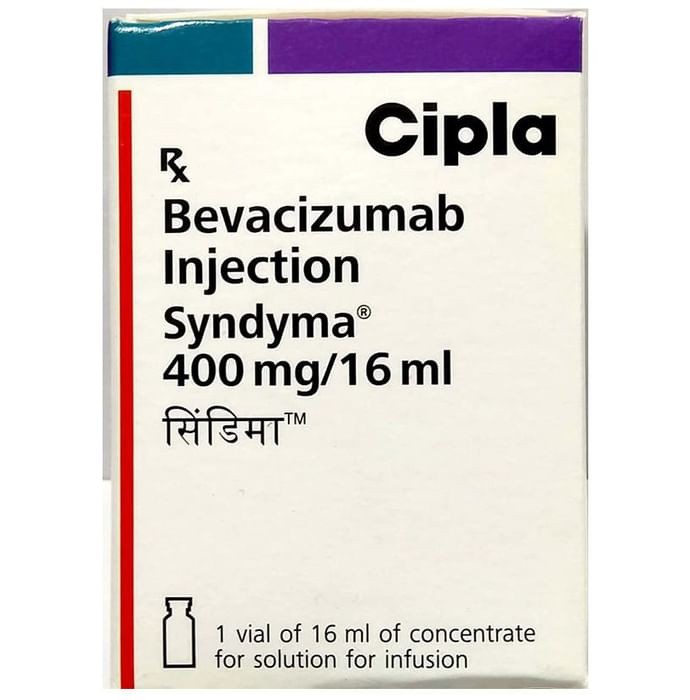
Syndyma 400mg/16ml Injection

Marketer
Cipla Ltd
Salt Composition
Bevacizumab (25mg/ml)
Overview Syndyma 400mg/16ml Injection
Oncaspar 400mg/16ml injection is a cancer treatment agent. It's indicated for colorectal, non-small cell lung, renal, brain, ovarian, and cervical cancers. Its mechanism involves inhibiting tumor angiogenesis, thereby hindering tumor growth. Oncaspar is a potent first-line therapy when combined with other anticancer drugs, administered intravenously via infusion or port. Dosage and treatment length are determined by your physician, who will monitor for infusion reactions like hypertension and respiratory distress. Continued use depends on disease control and manageable side effects, as decided by your doctor. Regular monitoring of blood pressure and urinary protein levels may be recommended. Common side effects include rectal hemorrhage, altered taste perception, and cephalalgia. Pre-surgical disclosure of Oncaspar use is crucial due to its potential to impair wound healing. Increased bleeding risk necessitates immediate medical attention for any unusual bleeding. Disclose pregnancy, pregnancy plans, or breastfeeding to your physician. Inform your healthcare provider of all other medications you are taking, as drug interactions are possible.
Uses of Syndyma 400mg/16ml Injection
Colorectal cancer, ovarian neoplasm, cervical carcinoma, renal cell carcinoma, brain cancer, and non-small cell lung carcinoma.
Major Benefits of Syndyma 400mg/16ml Injection:
This medication will be administered by your healthcare provider. Self-medication is strictly prohibited.
Common Side effects of Syndyma 400mg/16ml Injection:
- Exfoliative dermatitis
- High blood pressure
- Nosebleeds
- Protein in urine
- Decreased appetite
- Electrolyte imbalance
- Peripheral sensory neuropathy
- Breathlessness
- Thromboembolism
- Wound healing complications
- Ovarian failure
- Decreased white blood cell count (lymphocytes)
- Low blood platelets
- Mucosal inflammation
- Abscess
- Cellulitis
- Hypersensitivity
- Rectovaginal fistula
How to use Syndyma 400mg/16ml Injection:
This medication will be administered by your healthcare provider; please do not attempt self-medication.
How Syndyma 400mg/16ml Injection works:
Syndyma 400mg/16ml Injection, an anti-angiogenesis agent, inhibits vascular endothelial growth factor (VEGF), thus preventing the development of blood vessels supplying cancerous tumors with essential oxygen and nutrients.
SAFETY ADVICE
 AlcoholCONSULT YOUR DOCTOR
Alcohol consumption alongside Syndyma 400mg/16ml Injection may pose unknown risks. Seek medical advice before combining them.
 PregnancyCONSULT YOUR DOCTOR
Administering Syndyma 400mg/16ml Injection during pregnancy may pose risks. While human data is scarce, animal research indicates potential harm to a fetus. A physician will assess the advantages against possible dangers prior to prescribing. Seek medical advice.
 Breast feedingCONSULT YOUR DOCTOR
Administration of Syndyma 400mg/16ml Injection while breastfeeding is likely inadvisable. Available human data indicates potential transfer to breast milk, posing a possible risk to the infant.
 DrivingUNSAFE
Administration of Syndyma 400mg/16ml Injection may induce adverse reactions that could compromise driving ability. Drowsiness and loss of consciousness have been observed following Syndyma 400mg/16ml Injection, potentially hindering safe operation of a vehicle.
 KidneySAFE IF PRESCRIBED
The use of Syndyma 400mg/16ml Injection in patients with kidney impairment appears to pose minimal risk. Preliminary findings indicate dose modification may be unnecessary; however, physician consultation is advised.
 LiverSAFE IF PRESCRIBED
The use of Syndyma 400mg/16ml Injection in patients with hepatic impairment is likely safe. Available evidence indicates dose modification may be unnecessary; however, physician consultation is recommended.
What if you forget to take Syndyma 400mg/16ml Injection :
Omit a Syndyma 400mg/16ml Injection dose? Seek your physician's advice.
Facts to Know About Syndyma 400mg/16ml Injection
| Label | Value |
|---|---|
| Chemical Type | Monoclonal antibody |
| Developing Habits | No. |
| Type of Therapy | Cancer Drugs |
| Action Class | VEGF-blocking agent |
 3,018 People bought this recently