


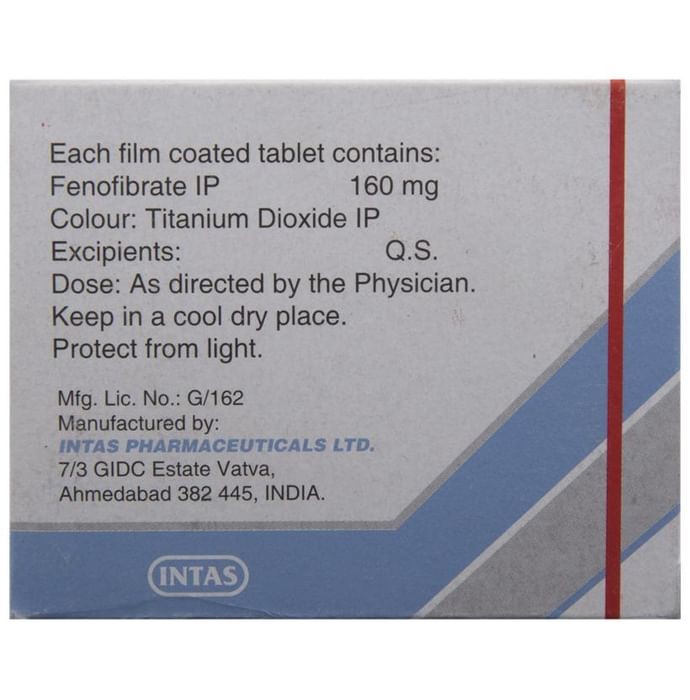
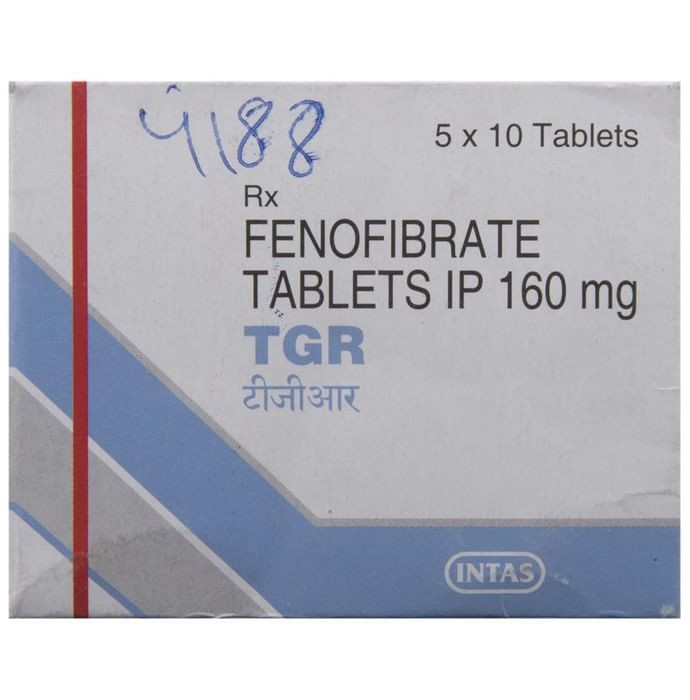
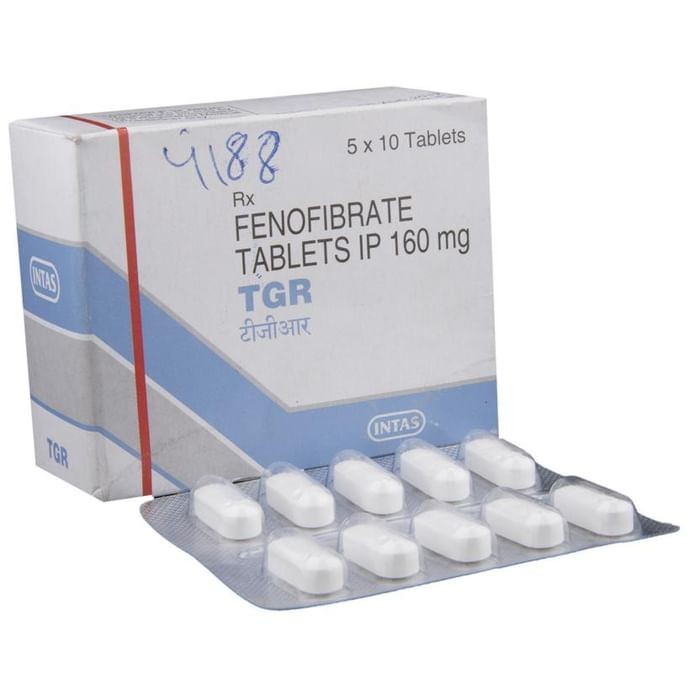
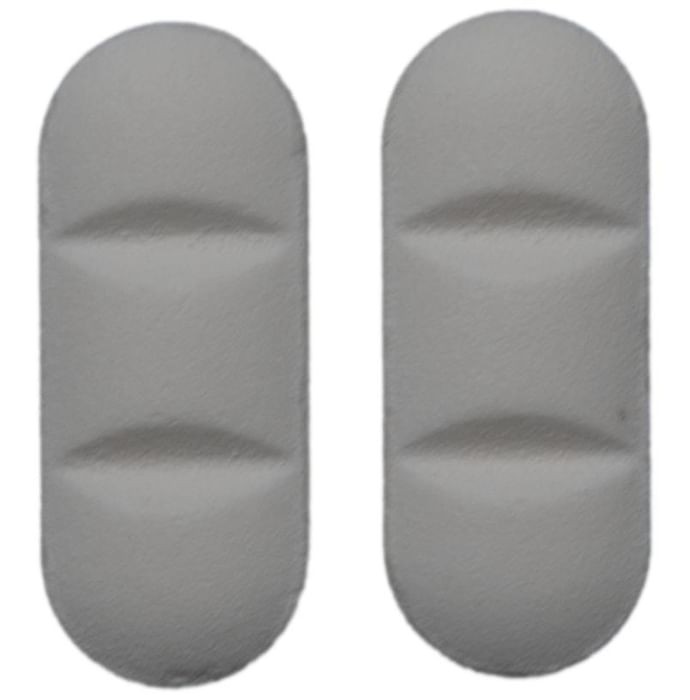
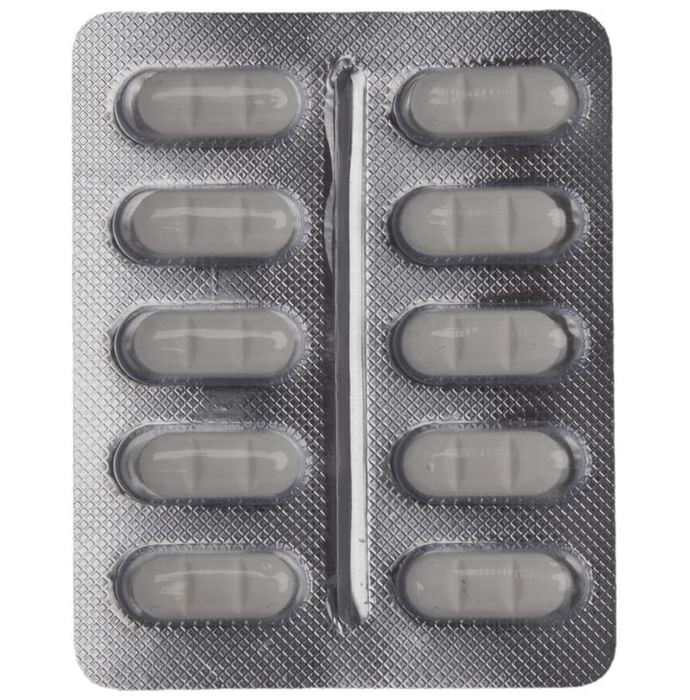
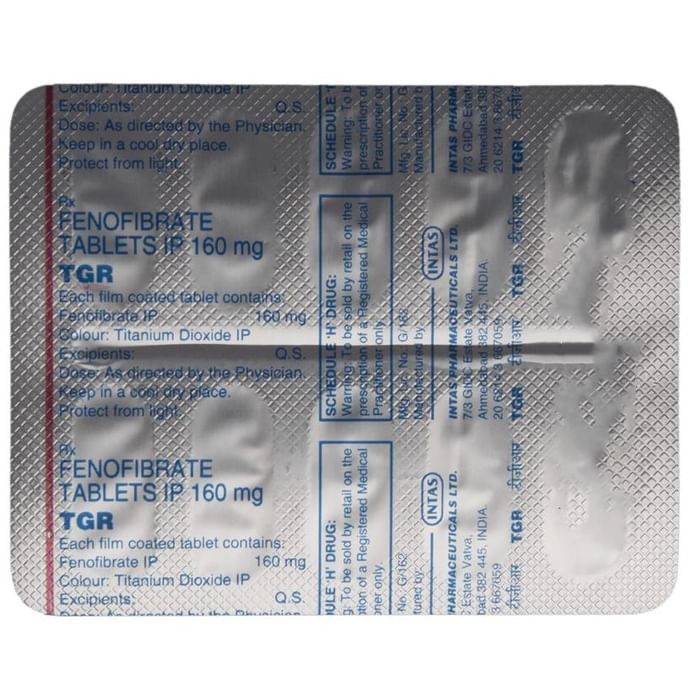
TGR Tablet

Marketer
Intas Pharmaceuticals Ltd
Salt Composition
Fenofibrate (160mg)
Overview TGR Tablet
CholestoReduce tablets effectively manage elevated cholesterol. They achieve this by reducing triglycerides and low-density lipoprotein ("bad") cholesterol (LDL), concurrently increasing high-density lipoprotein ("good") cholesterol (HDL). This cholesterol reduction significantly lowers the risk of stroke and heart attack. Always adhere to your physician's prescribed dosage and duration for CholestoReduce. While it can be taken anytime with food, consistency is key—take it at the same time daily. High cholesterol often presents without symptoms, but discontinuation may worsen your condition, potentially elevating cholesterol and increasing cardiovascular risks. Regular cholesterol monitoring is vital. This medication is a component of a comprehensive treatment plan encompassing a balanced diet, regular physical activity, smoking cessation, moderate alcohol consumption, and weight management. Maintain a normal diet, minimizing high-fat foods. Common side effects include nausea, stomach upset, diarrhea, and vomiting. Inform your doctor of all other medications before starting CholestoReduce. Caution is advised for individuals with liver or kidney disease. Pregnant or breastfeeding women must consult their doctor before use.
Primary Ingredients of TGR Tablet
No text provided. Please provide the text you would like me to rewrite.
Uses of TGR Tablet
Elevated cholesterol and triglyceride levels
Major Benefits of TGR Tablet:
Consume this medication precisely as directed by your physician, adhering to the prescribed dosage and timeframe. Ingest the tablet whole; avoid chewing, crushing, or fracturing it. It's recommended to take the TGR Tablet with a meal.
Common Side effects of TGR Tablet:
- Abdominal pain
- Diarrhea
- Nausea
- Headache
- Flatulence
- Vomiting
- Increased liver enzymes
- Increased creatine phosphokinase (CPK) level in blood
- Back pain
- Inflammation of the nose
How to use TGR Tablet:
Consume this medication precisely as directed by your physician, adhering to the prescribed dosage and timeframe. Ingest the TGR Tablet whole; avoid chewing, crushing, or fracturing it. It should be administered with food.
How TGR Tablet works:
Lipitorin tablets reduce lipid levels. This medication lowers triglycerides and low-density lipoprotein (LDL) cholesterol, concurrently increasing high-density lipoprotein (HDL) cholesterol.
SAFETY ADVICE
 AlcoholUNSAFE
Alcohol consumption while taking TGR Tablet is strongly discouraged due to safety concerns.
 PregnancyCONSULT YOUR DOCTOR
The use of TGR Tablet during pregnancy may pose risks. While human research is scarce, animal studies indicate potential harm to a developing fetus. A physician will assess the potential benefits against any risks prior to prescribing. Seek medical advice before taking this medication.
 Breast feedingCONSULT YOUR DOCTOR
The use of TGR Tablets while breastfeeding is likely inadvisable. Preliminary human studies indicate potential transfer of the medication into breast milk, posing a possible risk to the infant.
 DrivingSAFE
Driving ability is typically unaffected by TGR Tablet.
 KidneyCAUTION
Individuals with kidney impairment should use TGR Tablet cautiously, potentially requiring a modified dosage. Physician consultation is advised. TGR Tablet is contraindicated for patients exhibiting severe kidney dysfunction.
 LiverUNSAFE
Individuals with liver impairment should likely avoid TGR Tablet due to potential safety concerns. Medical advice is recommended before use. TGR Tablet is contraindicated in patients exhibiting severe hepatic dysfunction.
What if you forget to take TGR Tablet :
Should you forget a TGR Tablet dose, take it immediately. If your next dose is imminent, however, omit the missed dose and resume your usual dosing regimen. Never take a double dose.
Facts to Know About TGR Tablet
| Label | Value |
|---|---|
| Chemical Type | Fibric acid-based compound |
| Developing Habits | No. |
| Treatment Category | Heart |
| Action Class | Fibrate drugs (PPARα agonists) |
 3,018 People bought this recently