Search Icon

AUM Pharmacy

Hi there!

Hello, Login
All Categories
VisaVisaVisa
slide-0
slide-1

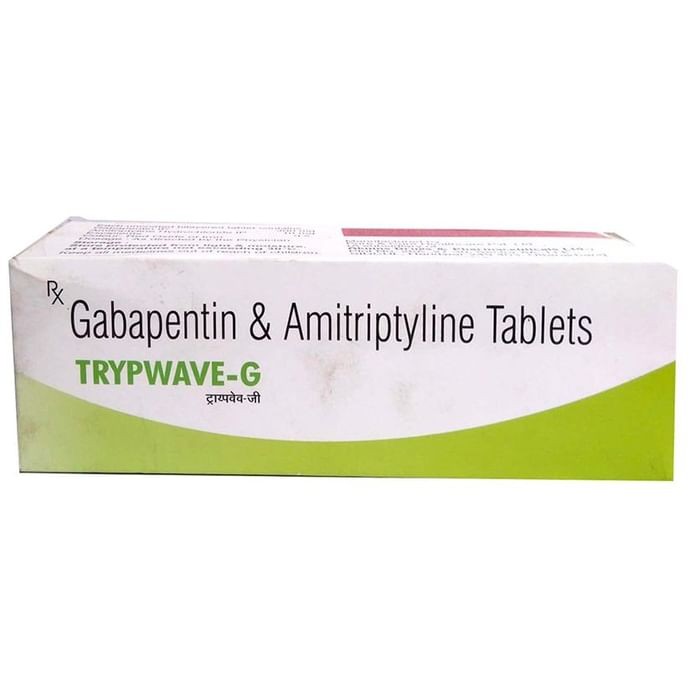
Trypwave-G Tablet

Prescription Icon
Prescription Required

Marketer

Brainwave Healthcare Pvt Ltd

Salt Composition

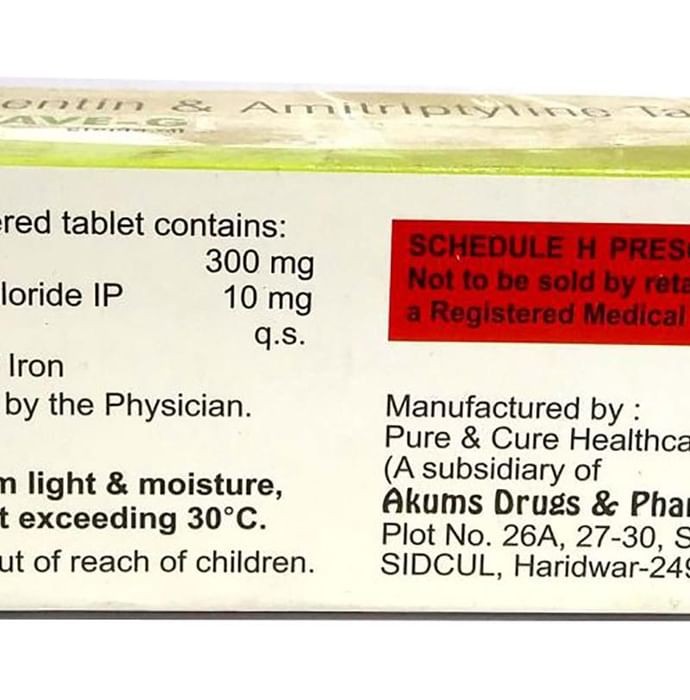
Gabapentin (300mg) + Amitriptyline (10mg)

Overview Trypwave-G Tablet

Neuropathic pain relief is provided by Trypwave-G, a combined medication. Its mechanism involves boosting brain neurotransmitters, thereby stabilizing mood and blocking pain signal transmission to the brain. Administered orally, Trypwave-G can be taken with or without food, ideally before sleep, at the same time daily for consistent blood levels. Follow your physician's prescribed dosage and duration; if a dose is missed, take it promptly. Complete the entire course of treatment, even with symptom improvement. Abrupt discontinuation is dangerous, potentially increasing seizure risk, even fatally; consult your doctor before stopping. Avoid concurrent antacid use as it impairs absorption. Common side effects include constipation, urination difficulty, weight gain, and dry mouth. Dizziness and drowsiness are possible; avoid activities requiring alertness until effects are known. Weight gain can be mitigated with regular exercise and a balanced diet. Disclose kidney or liver conditions, and all other medications (which may interact negatively) before starting treatment. Inform your doctor of pregnancy, pregnancy plans, or breastfeeding.

Uses of Trypwave-G Tablet

Nerve-related pain

Major Benefits of Trypwave-G Tablet:

Administer this medication precisely as prescribed by your physician, adhering to both the dosage and treatment duration. Ingest the tablet whole; avoid chewing, crushing, or fracturing it. Trypwave-G Tablets can be consumed with or without food; however, consistent daily timing is recommended.

Common Side effects of Trypwave-G Tablet:

  • Constipation
  • Difficulty in urination
  • Weight gain
  • Sleepiness
  • Dizziness
  • Tiredness
  • Uncoordinated body movements
  • Increased heart rate
  • Orthostatic hypotension (sudden lowering of blood pressure on standing)
  • Blurred vision
  • Dryness in mouth

How to use Trypwave-G Tablet:

Administer this medication precisely as prescribed by your physician, adhering to the recommended dosage and treatment period. Ingest the tablet whole; avoid chewing, crushing, or fracturing it. Trypwave-G Tablets can be consumed with or without food, although consistent timing is preferable.

How Trypwave-G Tablet works:

Trypwave-G tablets contain gabapentin and amitriptyline, working synergistically to alleviate neuropathic pain. Gabapentin, an alpha-2-delta ligand, reduces pain transmission by modulating nerve cell calcium channels. Amitriptyline, a tricyclic antidepressant, elevates serotonin and noradrenaline levels, thereby inhibiting pain signal transmission within the brain. This combined action provides effective relief from nerve-related pain.

SAFETY ADVICE

AlcoholAlcoholUNSAFE

Combining Trypwave-G Tablet and alcohol is contraindicated.

PregnancyPregnancyCONSULT YOUR DOCTOR

The use of Trypwave-G Tablets during pregnancy may pose risks. While human research is scarce, animal studies indicate potential harm to a fetus. A physician will assess the advantages against possible risks prior to prescription. Seek medical advice.

Breast feedingBreast feedingCONSULT YOUR DOCTOR

The use of Trypwave-G Tablets while breastfeeding is likely inadvisable. Preliminary human studies indicate a potential for the medication to transfer to breast milk, posing a possible risk to the infant.

DrivingDrivingUNSAFE

Driving ability may be compromised by side effects associated with Trypwave-G Tablet, including reduced alertness.

KidneyKidneySAFE IF PRESCRIBED

The use of Trypwave-G Tablets in individuals with kidney impairment appears to pose minimal risk. Preliminary findings indicate dose modification may be unnecessary; however, physician consultation is recommended.

LiverLiverCAUTION

Individuals with hepatic impairment should use Trypwave-G Tablets cautiously, potentially requiring dosage modification. Physician consultation is advised. Trypwave-G Tablets are contraindicated in patients exhibiting severe liver dysfunction.

What if you forget to take Trypwave-G Tablet :

Should you forget a Trypwave-G Tablet dose, administer it promptly. Nevertheless, if your next dose is imminent, omit the missed dose and resume your usual dosing regimen. Avoid taking a double dose.

Facts to Know About Trypwave-G Tablet

LabelValue
Potential for Dependence None.
Type of Medication Nervous system

FAQs on Trypwave-G Tablet

Gabapentin and amitriptyline, combined as Trypwave-G Tablet, offer relief from neuropathic pain. The medication's action on the brain soothes damaged or overly stimulated nerves, reducing pain perception.
Discontinuing Trypwave-G Tablet prematurely, even with pain relief, is inadvisable. Follow your physician's prescribed regimen. Abrupt cessation may result in withdrawal effects including anxiety, insomnia, nausea, pain recurrence, and diaphoresis. A gradual dose reduction is recommended prior to complete discontinuation.
Taking Trypwave-G Tablets may increase appetite, potentially leading to weight gain. Managing weight gain is simpler than weight loss. Maintain a nutritious, balanced diet without enlarging portions. Limit high-calorie foods like sugary drinks, fried foods, processed snacks, and sweets. Between meals, opt for fruits, vegetables, and low-calorie options instead of junk food. Regular physical activity further aids in preventing weight gain. A combination of healthy eating and exercise may prevent any weight increase.
Indeed, Trypwave-G Tablets can induce drowsiness or cause sudden sleep onset during routine tasks. These episodes may occur without prior warning signs like drowsiness. Refrain from driving, operating equipment, working at heights, or engaging in hazardous activities until the medication's effects are understood. Report any such incidents to your physician while using this medication.
Taking Trypwave-G Tablets may impact sexual function in both males and females. This can manifest as reduced libido, erectile dysfunction (difficulty achieving or sustaining an erection), or anorgasmia (inability to reach orgasm). Decreased sexual satisfaction and painful intercourse are also possible side effects. Consult your physician if such issues arise; however, do not discontinue Trypwave-G Tablet use without medical advice.
Indeed, Trypwave-G Tablets may cause urine to turn blue or green. This discoloration is a known side effect of the medication and poses no health risk. Normal urine color will return after discontinuation of Trypwave-G Tablets.
Adverse reactions to Trypwave-G Tablet are infrequent and seldom severe. Immediately report to your physician any observed alterations in body temperature, respiratory distress, accelerated heart rate (tachycardia), muscular weakness, gait instability, impaired coordination or slowed reflexes, atypical mood or behavioral shifts including agitation, anxiety or elation, depressive symptoms, hallucinations (auditory or visual), illogical thought processes, visual disturbances (blurred or double vision), involuntary nystagmus, visual impairment, or indications of recurrent infections such as pyrexia, rigors, pharyngitis, or oral ulcerations. While uncommon, these reactions may be serious and necessitate prompt medical intervention.
Patients may experience initial improvements with Trypwave-G Tablets within two weeks. Complete therapeutic effects, however, typically manifest within two to three months. For some individuals, a longer treatment duration may be necessary.
Should you miss a Trypwave-G Tablet dose and your next dose is imminent, omit the missed dose and continue with your regular schedule. If your next dose is not soon, take the missed dose immediately upon remembering, then resume your usual dosing pattern. Never double the dose to compensate for a missed one; doing so could heighten the risk of adverse effects. Consult your physician if uncertain about the correct procedure for taking Trypwave-G Tablets.
If this occurs, promptly contact your physician or proceed to the closest emergency room. Seek medical assistance regardless of the presence or absence of symptoms. Immediate medical intervention may be necessary. Overdose symptoms can manifest as lethargy, fatigue, gait instability, diplopia, dysarthria, diarrhea, disorientation, blurred vision, vertigo, fluctuating body temperature, respiratory distress, and tachycardia.
Increasing the prescribed dosage won't necessarily improve outcomes; it could heighten the risk of severe adverse reactions and poisoning. If your symptoms worsen despite taking the recommended amount, seek medical advice for reassessment.
Using Trypwave-G Tablets might affect your cognitive function and reflexes. Exercise caution when operating machinery or engaging in activities demanding alertness. Refrain from alcohol consumption while on this medication; it can amplify alcohol's effects, posing a risk. Grapefruit and its juice can interact negatively with Trypwave-G, potentially leading to adverse reactions. Minimize sun exposure and avoid tanning beds. This medication increases sun sensitivity, raising your sunburn risk. Protective clothing and sunscreen are recommended during daytime outdoor activities.
Routine check-ups with your physician may be necessary following commencement of Trypwave-G Tablet therapy. Should the prescribed dose prove ineffective, or if adverse effects interfere with daily life, seek immediate medical attention.
Retain this medication within its original, sealed packaging. Follow the storage directions provided on the package or label. Discard any leftover medicine. Prevent access by children, pets, and others.
Trypwave-G Tablet
144
MRP 176
18% off
