


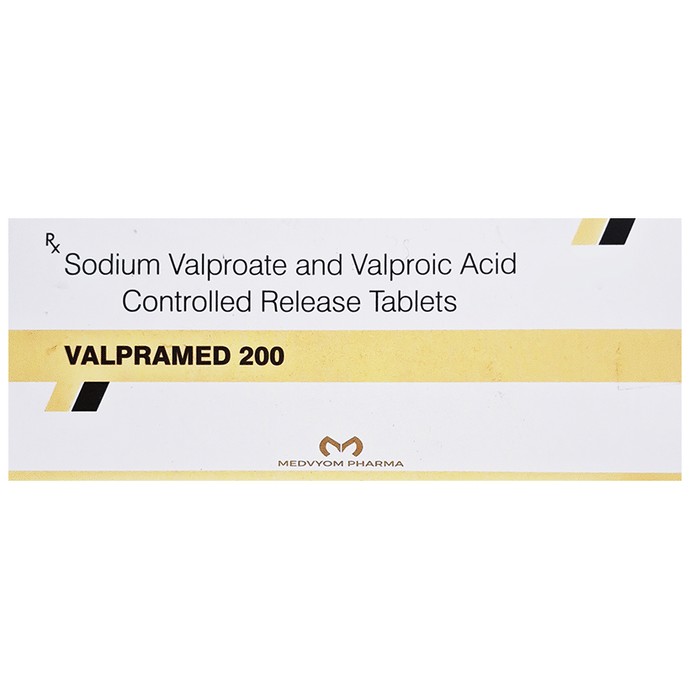
Valpramed 200 Tablet CR

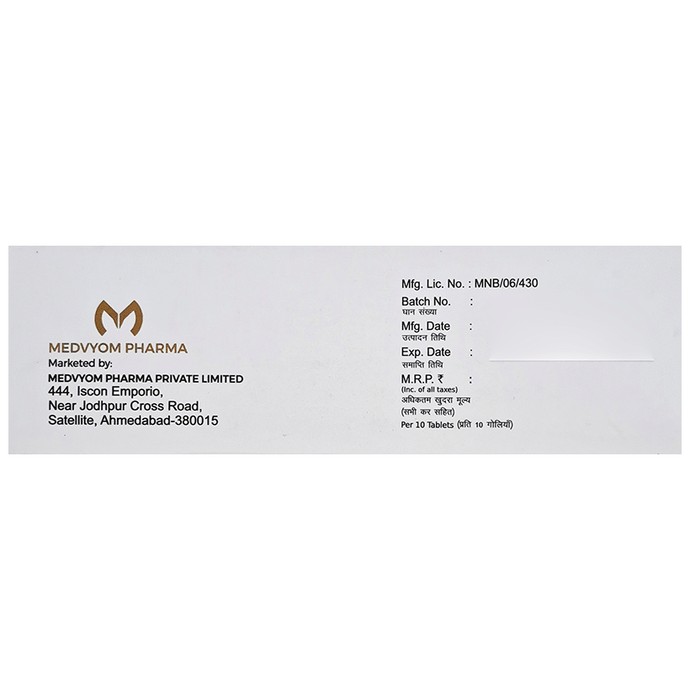
Marketer
Medvyom Pharma Pvt Ltd
Salt Composition
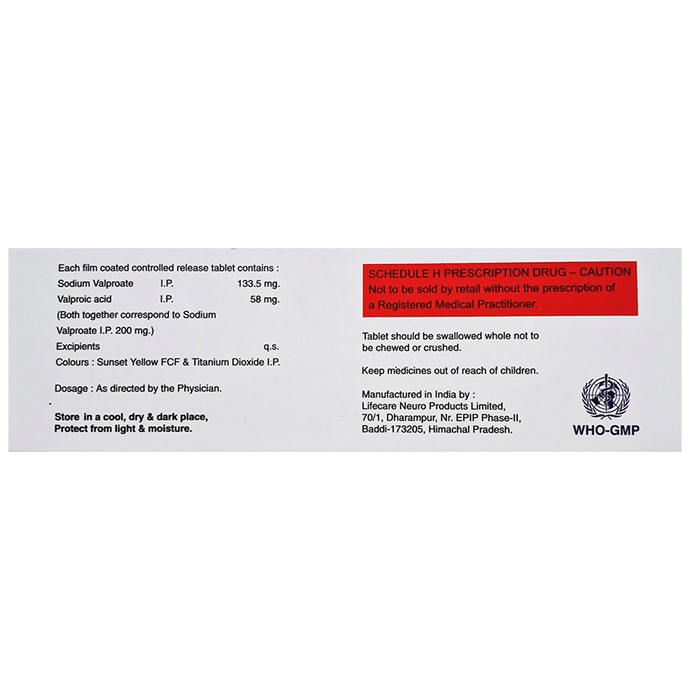
Sodium Valproate (133.5mg) + Valproic Acid (58mg)
Overview Valpramed 200 Tablet CR
Epileptic seizures are managed with Valpramed 200 CR tablets, a dual-medication formulation. This medication regulates aberrant brain activity, calming nerves to prevent seizure episodes. Administer Valpramed 200 CR with food; dosage is determined and potentially titrated by your physician until your condition stabilizes. Therapeutic effects may take weeks; consistent use is crucial. Discontinuation, except under physician guidance, risks seizure recurrence or bipolar disorder exacerbation. Common side effects include nausea and tremors; less frequent effects encompass vomiting, headache, hepatic impairment, and upper abdominal discomfort. Persistent or bothersome side effects necessitate medical consultation. Prior to initiating Valpramed 200 CR, disclose any kidney or liver disease, meningitis, depression, or suicidal ideation to your doctor. Report all concurrent medications, including contraceptives, as interactions are possible. Pregnancy or breastfeeding necessitates careful assessment and potential dosage adjustment. Avoid driving or cycling if drowsiness or dizziness occurs. Regular blood tests monitor treatment response. Alcohol consumption should be avoided due to potential side effect intensification. Weight gain is possible; maintain a healthy diet, limit high-calorie snacks, and exercise regularly. Report any unusual mood or behavioral shifts, new or worsening depression, or suicidal thoughts or actions to your doctor immediately.
Uses of Valpramed 200 Tablet CR
Seizure disorder
Major Benefits of Valpramed 200 Tablet CR:
Follow your doctor's instructions precisely regarding dosage and treatment length for Valpramed 200 CR tablets. Ingest the tablets whole; avoid chewing, crushing, or breaking them. Administer this medication with food.
Common Side effects of Valpramed 200 Tablet CR:
- Nausea
- Tremors
How to use Valpramed 200 Tablet CR:
Consume this medication precisely as your physician directs, adhering to both the prescribed dosage and treatment length. Ingest the tablet whole; avoid chewing, crushing, or fracturing it. Valpramed 200 CR tablets should be administered with a meal.
How Valpramed 200 Tablet CR works:
Controlled-release Valpramed 200mg tablets contain a dual anticonvulsant formulation of sodium valproate and valproic acid.
SAFETY ADVICE
 AlcoholUNSAFE
Concurrent use of alcohol and Valpramed 200 CR tablets is inadvisable.
 PregnancyCONSULT YOUR DOCTOR
Using Valpramed 200 CR tablets during pregnancy carries a confirmed risk to the fetus. Prescribing may occur exceptionally in life-threatening circumstances where benefits outweigh potential harm. Physician consultation is essential.
 Breast feedingSAFE IF PRESCRIBED
During lactation, Valpramed 200 CR tablets are considered safe. Research in humans indicates minimal drug transfer to breast milk, posing no apparent risk to the infant.
 DrivingUNSAFE
Taking Valpramed 200 CR tablets can cause drowsiness, blurred vision, and dizziness. Refrain from driving if you experience these side effects.
 KidneySAFE IF PRESCRIBED
Patients with kidney disease can likely use Valpramed 200 CR tablets safely. Existing evidence indicates dose modification may be unnecessary, but physician consultation is advised. Individuals with pre-existing kidney conditions should discuss use with their doctor.
 LiverCAUTION
Patients with liver impairment should use Valpramed 200 CR tablets cautiously, potentially requiring dosage modification. Consult a physician for guidance. Valpramed 200 CR tablets are contraindicated in individuals with severe or active liver disease.
What if you forget to take Valpramed 200 Tablet CR :
Should you forget a Valpramed 200mg Controlled-Release tablet, ingest it immediately upon remembrance. Nevertheless, if your next scheduled dose is imminent, omit the missed tablet and resume your usual dosing regimen. Avoid taking a double dose.
Facts to Know About Valpramed 200 Tablet CR
| Label | Value |
|---|---|
| Developing Habits | No. |
| Treatment Category | Neuroscience, Central Nervous System |
 3,018 People bought this recently