



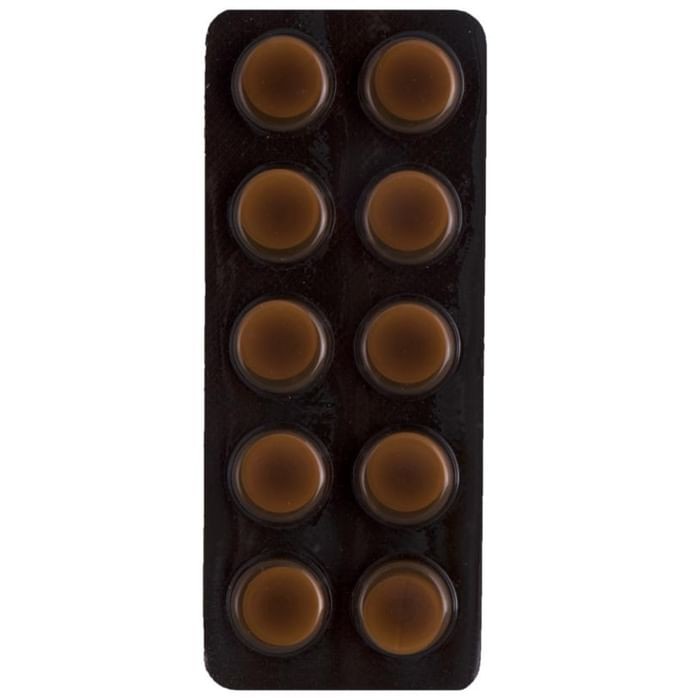
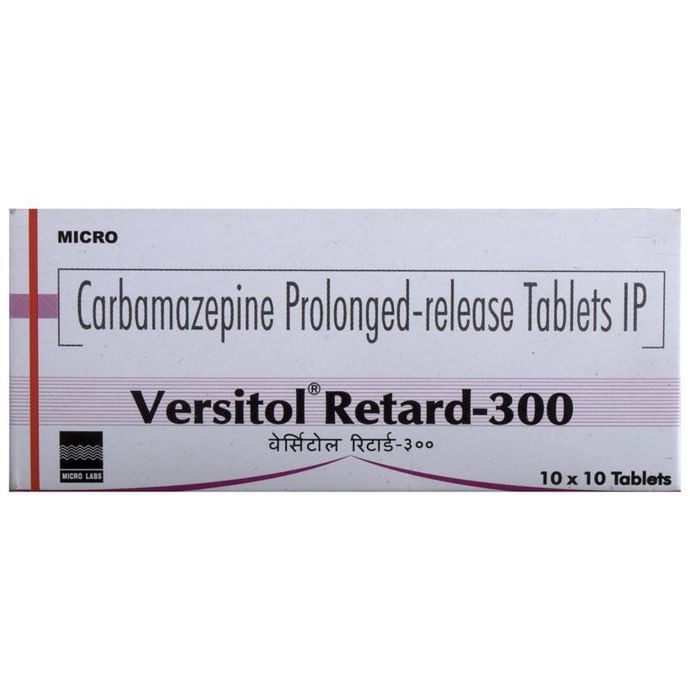



Versitol Retard 300 Tablet PR

Marketer
Micro Labs Ltd
Salt Composition
Carbamazepine (300mg)
Overview Versitol Retard 300 Tablet PR
Epileptica 300mg Extended-Release Tablets are an anticonvulsant medication indicated for epilepsy management, preventing various seizure types. This medication also treats trigeminal neuralgia, a painful facial, head, and neck condition, and diabetic neuropathy. Epileptica 300mg should be taken consistently, at the same time each day, regardless of food intake. Dosage frequency is determined individually by your physician to optimize symptom control, potentially increasing gradually. Inform your doctor of all other medications you are using, as interactions are possible. Consistent daily use at the same time maximizes therapeutic benefit; continued use as directed is crucial, even during symptom remission. Abrupt cessation or missed doses may worsen your condition or trigger seizures. Common side effects include nausea, vomiting, dizziness, fatigue, somnolence, imbalance, constipation, dry mouth, and pruritus. Blurred vision and dysarthria may also occur. While most side effects are mild, immediately report skin rashes, depression, or suicidal ideation to your doctor. Prior to commencing treatment, disclose any pre-existing cardiac, renal, hepatic, urinary, or psychiatric conditions (such as depression) to your physician, as these may influence treatment. Regular blood tests (e.g., complete blood count) may be recommended to monitor your progress.
Uses of Versitol Retard 300 Tablet PR
Peripheral neuropathy in diabetes | Trigeminal neuralgia | Seizure disorders
Major Benefits of Versitol Retard 300 Tablet PR:
Follow your physician's instructions or refer to the product label for dosage guidance. Versitol Retard 300mg Tablets may be administered with or without food; however, consistent daily timing is recommended.
Common Side effects of Versitol Retard 300 Tablet PR:
- Dizziness
- Nausea
- Vomiting
- Constipation
- Sleepiness
- Abnormality of voluntary movements
How to use Versitol Retard 300 Tablet PR:
Follow your doctor's instructions or consult the product label for usage guidelines. Versitol Retard 300mg tablets may be administered with or without food; however, consistent daily timing is recommended.
How Versitol Retard 300 Tablet PR works:
Epileptic seizures are managed by Versitol Retard 300 PR tablets, an anticonvulsant that reduces heightened, irregular neuronal firing in the brain.
SAFETY ADVICE
 AlcoholUNSAFE
Concomitant use of Versitol Retard 300mg tablets and alcohol may induce pronounced somnolence.
 PregnancyCONSULT YOUR DOCTOR
Using Versitol Retard 300 Tablet PR during pregnancy poses a confirmed risk to fetal development and is therefore inadvisable. Exceptions may be made in extreme circumstances where a physician deems the potential benefits outweigh the known hazards. Always seek medical counsel.
 Breast feedingCONSULT YOUR DOCTOR
The use of Versitol Retard 300 Tablet PR while breastfeeding is likely inadvisable. Available human data indicates a potential for the medication to transfer to breast milk, posing a possible risk to the infant.
 DrivingUNSAFE
Taking Versitol Retard 300 PR tablets might cause drowsiness, blurred vision, and dizziness. Driving should be avoided if these effects are experienced.
 KidneyCONSULT YOUR DOCTOR
Insufficient data exists regarding Versitol Retard 300 Tablet PR use in individuals with renal impairment. Physician consultation is recommended.
 LiverCONSULT YOUR DOCTOR
Data regarding Versitol Retard 300 Tablet PR use in individuals with hepatic impairment is scarce. Physician consultation is advised.
What if you forget to take Versitol Retard 300 Tablet PR :
Should you forget to take a Versitol Retard 300mg tablet, consume it immediately upon remembering. Nevertheless, if your next scheduled dose is imminent, omit the missed dose and resume your usual medication routine. Avoid taking a double dose.
Facts to Know About Versitol Retard 300 Tablet PR
| Label | Value |
|---|---|
| Chemical Type | Stilbene Imine Derivative |
| Developing Habits | No. |
| Type of Therapy | Neuroscience of the Central Nervous System |
 3,018 People bought this recently