Search Icon

AUM Pharmacy

Hi there!

Hello, Login
All Categories
VisaVisaVisa
slide-0
slide-1
slide-2

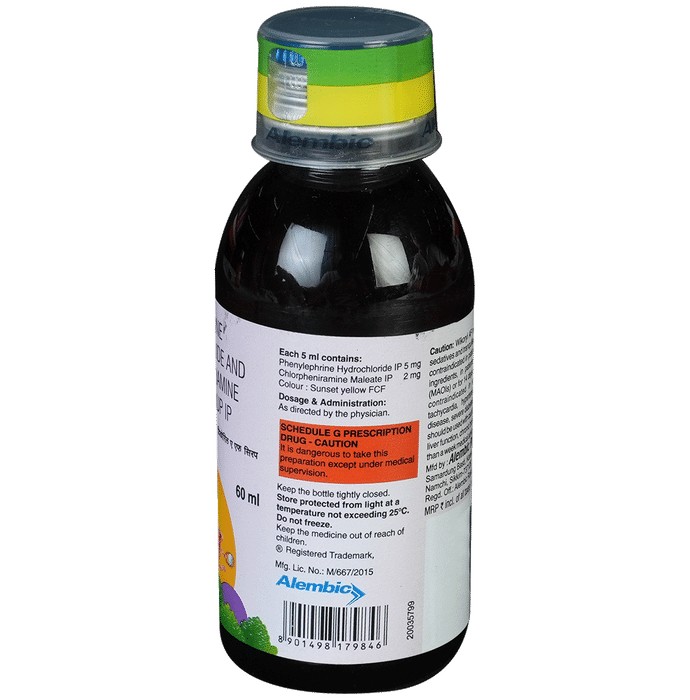
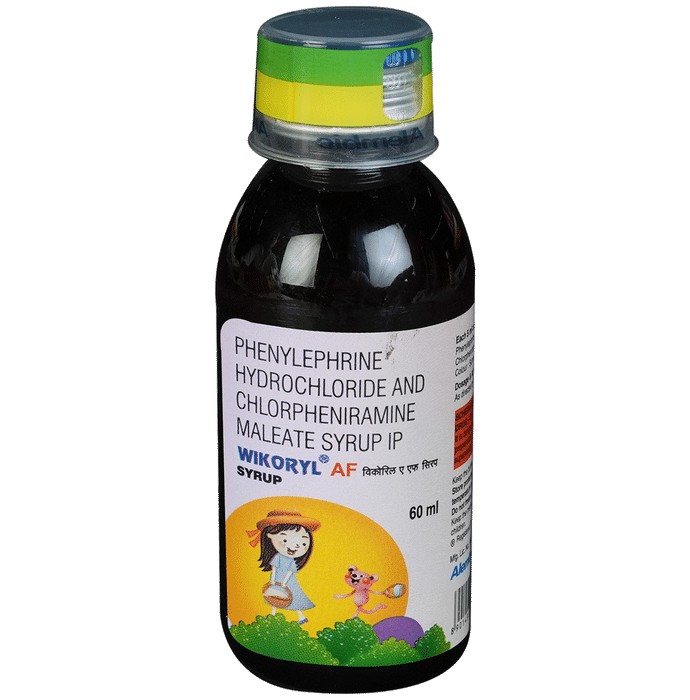
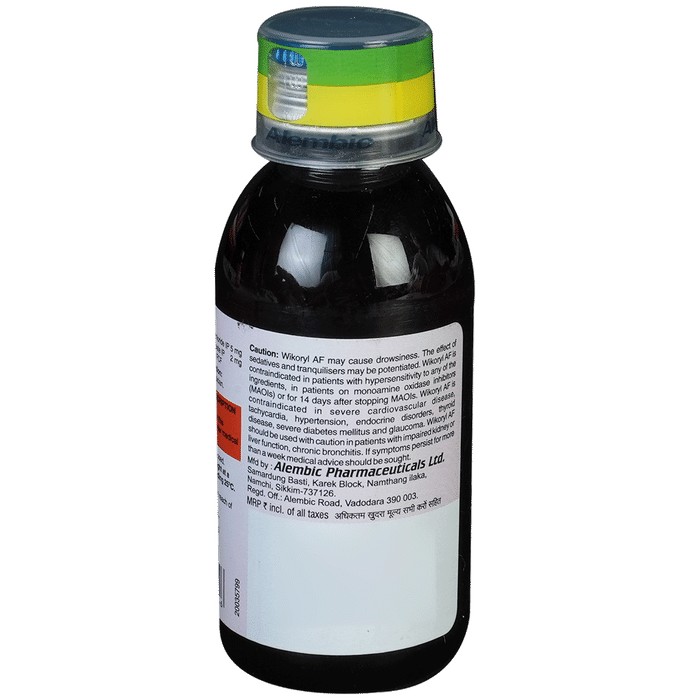
Wikoryl AF Syrup

Prescription Icon
Prescription Required

Marketer

Alembic Pharmaceuticals Ltd

Salt Composition

Chlorpheniramine Maleate (2mg/5ml) + Phenylephrine (5mg/5ml)

Overview Wikoryl AF Syrup

PediaCold syrup is a medication for managing cold symptoms in children. It offers rapid relief from nasal congestion, runny nose, and sneezing. PediaCold syrup can be administered with or without food, always following the physician's precise dosage and treatment schedule. The prescribed amount and treatment length will vary based on your child's response and condition. Continue administering the medication as directed by the doctor. Common side effects include nausea, vomiting, and headache; these are usually temporary. Immediately consult your doctor if you have any concerns regarding side effects. Drowsiness may occur; avoid activities requiring concentration until the medication's effects are known. Adequate fluid intake is recommended while using PediaCold syrup. Inform your doctor of any pre-existing kidney or liver conditions before administering this medication to ensure appropriate dosage.

Uses of Wikoryl AF Syrup

Managing the common cold

Major Benefits of Wikoryl AF Syrup:

Administer this medication precisely as your physician directs, adhering to the prescribed dosage and timeframe. Always consult the product label for usage instructions prior to consumption. Use a measuring device to accurately dispense the oral dose. Ensure thorough shaking before each use. Wikoryl AF Syrup can be ingested with or without food; however, consistent daily timing is recommended.

Common Side effects of Wikoryl AF Syrup:

  • Vomiting
  • Restlessness
  • Anxiety
  • Dizziness
  • Pale skin
  • High blood pressure
  • Seizure
  • Dry nose
  • Cerebral hemorrhage
  • Dry throat
  • Excitement
  • Rash
  • Headache
  • Tremors
  • Palpitations
  • Paresthesia (tingling or pricking sensation)
  • Abdominal pain
  • Allergic reaction
  • Decreased appetite
  • Blurred vision

How to use Wikoryl AF Syrup:

Administer this medication precisely as your physician directs, adhering to both the prescribed dosage and duration. Always consult the product label for complete instructions prior to consumption. Accurate measurement should be achieved using a measuring cup; ingest orally. Ensure thorough shaking before each use. Wikoryl AF Syrup can be consumed with or without food; however, consistent daily timing is recommended.

How Wikoryl AF Syrup works:

Chlorpheniramine maleate acts as an antihistamine, alleviating allergic reactions such as nasal discharge, ocular tearing, and sneezing. Phenylephrine functions as a nasal decongestant, constricting blood vessels in the nasal passages to ease congestion and stuffiness.

SAFETY ADVICE

What if you forget to take Wikoryl AF Syrup :

Should you forget a dose of Wikoryl AF Syrup, administer it promptly. Nevertheless, if your next dose is imminent, omit the missed dose and resume your usual dosing regimen. Avoid taking a double dose.

Facts to Know About Wikoryl AF Syrup

LabelValue
Addictive None.
Medication Classification BREATHING

FAQs on Wikoryl AF Syrup

Composed of Chlorpheniramine and Phenylephrine, Wikoryl AF Syrup offers symptomatic relief from the common cold. Chlorpheniramine, an antihistamine, counteracts allergic responses such as nasal discharge, lacrimation, and sneezing. Phenylephrine, a nasal decongestant, constricts blood vessels in the nasal passages, thereby alleviating congestion.
Most patients tolerate Wikoryl AF Syrup well when administered as directed by their physician. Nevertheless, some individuals may experience common adverse reactions such as nausea, vomiting, headache, or drowsiness, along with less frequent or infrequent side effects. Report any adverse reaction to your doctor promptly.
Nausea and vomiting are possible side effects of Wikoryl AF Syrup. Consuming the syrup with milk, food, or antacids may mitigate nausea. Refrain from eating greasy or deep-fried foods while taking this medication. If vomiting occurs, replenish fluids by sipping small amounts of water or other beverages frequently. Consult your physician if vomiting continues. Always seek medical advice before taking any additional medication.
Indeed, drowsiness is the most frequently reported adverse reaction associated with Wikoryl AF Syrup. Refrain from driving, operating heavy equipment, or participating in activities demanding complete concentration unless explicitly authorized by your physician. Alcohol and other cough/cold remedies should be avoided, as should sleep aids, to prevent undue somnolence while using Wikoryl AF Syrup.
Exceeding the prescribed dosage of Wikoryl AF Syrup may result in amplified adverse reactions from an overdose. Always consult your physician before modifying your medication regimen.
Patients allergic to any ingredient in Wikoryl AF Syrup should avoid its use. Prior to taking Wikoryl AF Syrup, inform your doctor of any pre-existing medical issues, including cardiovascular disease, hypertension, hyperthyroidism, glaucoma, and benign prostatic hyperplasia (urinary difficulties).
Retain this medication within its original, sealed container or packaging. Follow the storage guidelines provided on the label or packaging. Discard any leftover medication. Ensure that it remains inaccessible to children, pets, and others.
Composed of Chlorpheniramine and Phenylephrine, Wikoryl AF Syrup offers relief from common cold symptoms. Chlorpheniramine, an antihistamine, counteracts allergy-related symptoms such as nasal discharge, eye watering, and sneezing. Phenylephrine, a decongestant, constricts blood vessels in the nasal passages, thereby alleviating nasal congestion.
Most individuals tolerate Wikoryl AF Syrup well when administered as directed by their physician. Nevertheless, some users may experience typical side effects such as nausea, vomiting, headache, or drowsiness, along with less frequent or infrequent adverse reactions. Promptly report any adverse effects to your doctor.
Nausea and vomiting are potential side effects of Wikoryl AF Syrup. Consuming the syrup with milk, food, or antacids may mitigate nausea. Fatty or greasy meals should be avoided while taking this medication. If vomiting occurs, replenish fluids by sipping small amounts of water or other liquids frequently. Consult your physician if vomiting continues. Always seek medical advice before taking additional medications.
Drowsiness is the most frequent adverse reaction reported with Wikoryl AF Syrup. Refrain from driving, operating heavy equipment, or participating in activities demanding complete concentration unless your doctor advises otherwise. Alcohol and other cough/cold medications should be avoided, as should sleep aids, to prevent undue sleepiness.
Exceeding the prescribed dose of Wikoryl AF Syrup may result in intensified adverse reactions from an overdose. Always consult your physician before modifying or discontinuing your medication.
Patients allergic to any ingredient in Wikoryl AF Syrup should avoid its use. Prior to using Wikoryl AF Syrup, inform your doctor of any pre-existing health issues, including cardiac disease, hypertension, hyperthyroidism, glaucoma, and benign prostatic hyperplasia (urinary difficulties).
Retain this medication within its original, sealed container. Follow the storage guidelines provided on the packaging. Discard any remaining medication. Ensure it remains inaccessible to children, pets, and others.
Wikoryl AF Syrup
89
MRP 108
17% off
